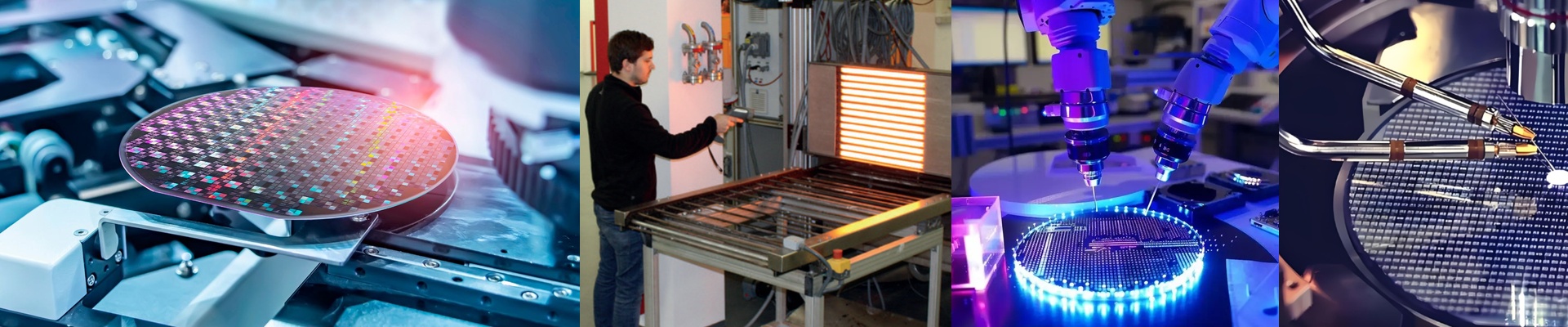

How to Handle IR Heat When Things Get Volatile
When you’re fabricating bio-sensors, you usually need a bit of precise heat for curing or drying. The problem? You’re often doing this while the workpiece is swimming in chemical cleaning agents. That’s a recipe for disaster. You’ve got flammable, explosive vapors hanging in the air, and a standard infrared lamp is basically a giant match. Instead of just trying to “shield” the lamp, we look at it differently. We focus on how the whole thing is wrapped up.
The Danger of Open-Air Heat
Most IR lamps get scorching hot on the surface. In a room full of solvent fumes, one tiny spark or a single hot spot can trigger an explosion. It’s terrifying. We don’t just put a guard around the lamp. We completely isolate the electrical guts and the quartz envelope from the air around them.
Building a Better Box
The trick is a sealed-system approach. We tuck the lamp inside an enclosure that can handle chemicals and won’t blow up. To keep those vapors from sneaking into the electrical housing, we seal the cable entries with heavy-duty epoxy or specialized glands. This keeps the internal arc of the lamp far away from the hazardous zone. We also use quartz glass with specific coatings. This helps the bio-sensor substrates soak up the heat better. But here is the catch: you can’t just seal it tight and call it a day. If the enclosure is too cramped, the lamp will overheat and burn out. You have to find that sweet spot where the seal is tight enough for safety, but the heat can still escape.
The Trade-offs
Safety isn’t free. You lose a little bit of thermal efficiency because that encapsulation layer acts as a barrier. Your radiant intensity won’t be as punchy as an open-air lamp. To fix that, you might need to bump up the wattage or just let the piece sit under the heat for a little longer. One last thing. Use an explosion-proof junction box for the wiring. And please, sync your lamp controllers with your facility’s gas sensors. If your ventilation fails, no amount of fancy encapsulation can protect you from a room saturated with chemicals.