Getting the Heat Right for Wafer Bio-sensors
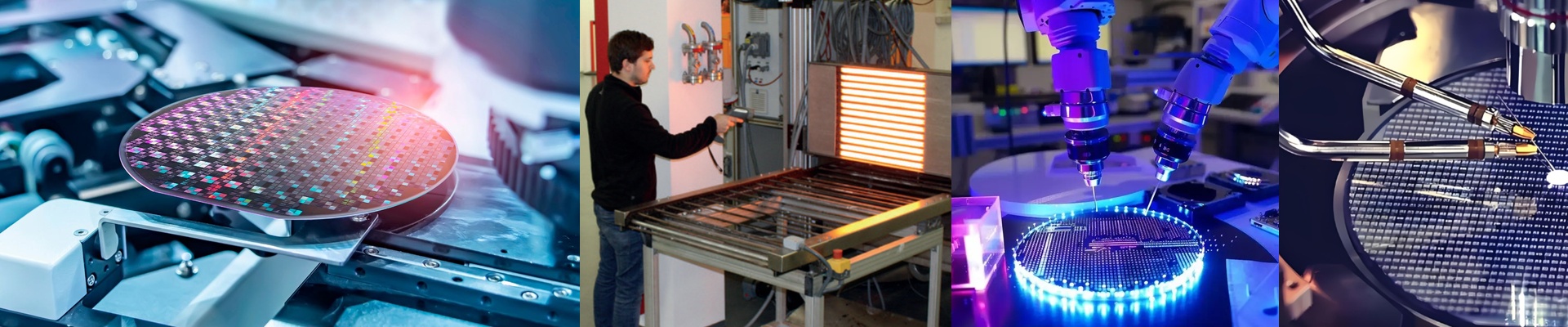
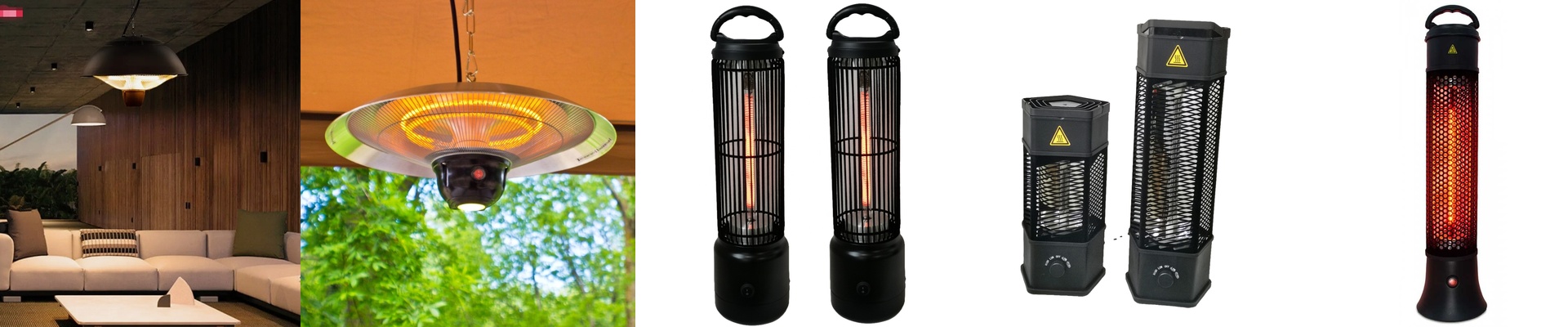
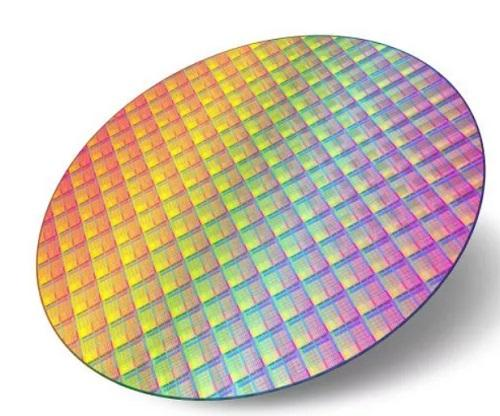
When you’re building bio-sensors on wafers, the thermal profile is everything. If you lose heat while curing your layers or activating substrates, you’re in trouble. It’s that simple. To stop that energy leak, we use specialized infrared lamps paired with gold-coated reflectors. It’s the only way to make sure the heat actually hits the wafer. Why gold? Most people use aluminum reflectors, but they soak up too much energy. Gold is different. It’s incredibly reflective in the infrared spectrum, which means it doesn’t just bounce the light around—it crowds it. By shaping the reflector just right, we push that IR energy into a tight, concentrated beam. No wasted watts. Just pure heat exactly where you need it. Dealing with the heat load Now, here is the catch. High-wattage IR lamps get the job done fast, but shoving that much power into a tiny space creates a massive amount of heat. If you crank the system to max, your cooling manifold has to keep up. If it doesn’t, you’re looking at warped housings or filaments that burn out way too soon. It’s a balancing act. Putting it into production We designed these lamps to be a “drop-in” fix for your fab chambers. The real secret is the alignment. The distance between the lamp filament and that gold focal point has to be spot on. If you’re off by even 2mm, you’ll get cold spots on your wafer. That leads to sensors that aren’t sensitive in some areas and overdone in others. Nobody wants a batch like that. These units are built to survive 24/7 production. We chemically bond the gold layer so it won’t peel, even when the temperature swings wildly. As long as your power supply is steady and you keep the reflectors clean, you’ll get a consistent heat map every single time.