Why We Switched to IR Heating for CNTs
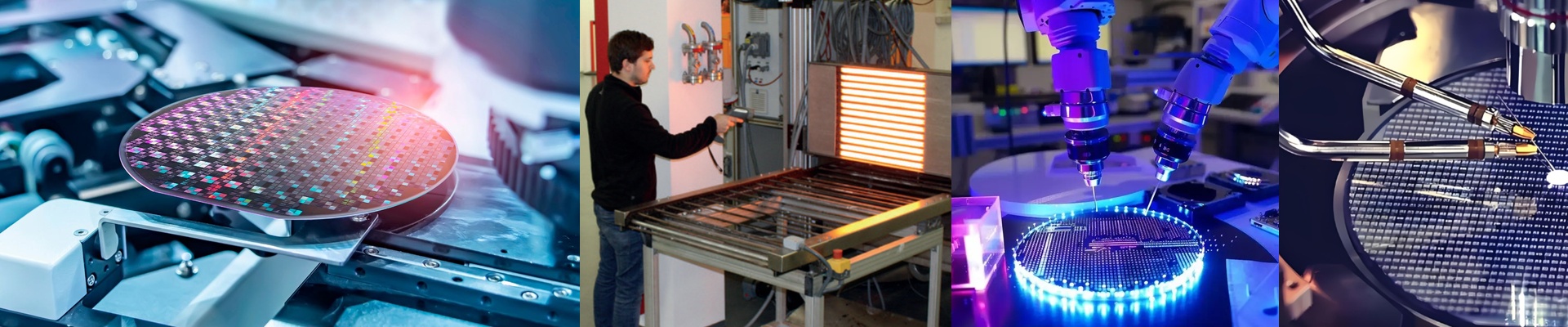
Making carbon nanotubes is all about the heat. To get chemical vapor deposition (CVD) to actually work, you need a very specific thermal gradient. For a long time, the go-to was the traditional resistive furnace. But honestly? Heating up an entire oven chamber just to get a small substrate hot is a massive waste of energy. That’s why we started using infrared (IR) heating lamps.
Cutting the Waste
Here is the thing about IR lamps: they don’t bother heating the air around them. They use radiation to hit the substrate directly. When you’re growing CNTs, you want that catalyst to hit its activation temperature now. With short-wave IR, we’re talking seconds. It’s fast. Really fast. And that changes the whole math of the process. Since you aren’t spending hours warming up the machine’s outer walls or the air inside, your kilowatt-hours per batch plummet. It’s a much cleaner way to work, and your carbon footprint actually shrinks.
The Gear
We use halogen filaments wrapped in quartz envelopes to handle the intense heat. To keep things from going sideways, these are tied into PID controllers. You have to be careful here. If you dump too many watts into a tiny area, you’ll fry the filament or ruin your nanotubes in a heartbeat. Precision is everything. One nice bonus? An IR array takes up way less floor space than a bulky muffle furnace. Plus, when it’s time to cool things down, you have way more control over the process.
The Trade-offs
It isn’t all sunshine and rainbows, though. These systems put out a lot of radiant heat. You can’t just slide an IR setup into an old chassis and hope for the best. You’ll need proper cooling jackets and shielding to keep the ambient temperature from spiking. If your cooling loop hits a snag, those lamps will burn out fast. And yeah, there’s the money side of it. Setting up the controllers and the shielding costs more upfront than a basic resistive heater. But you’re basically trading that initial hit for lower monthly power bills and a more efficient lab. It’s a trade we’re more than happy to make.