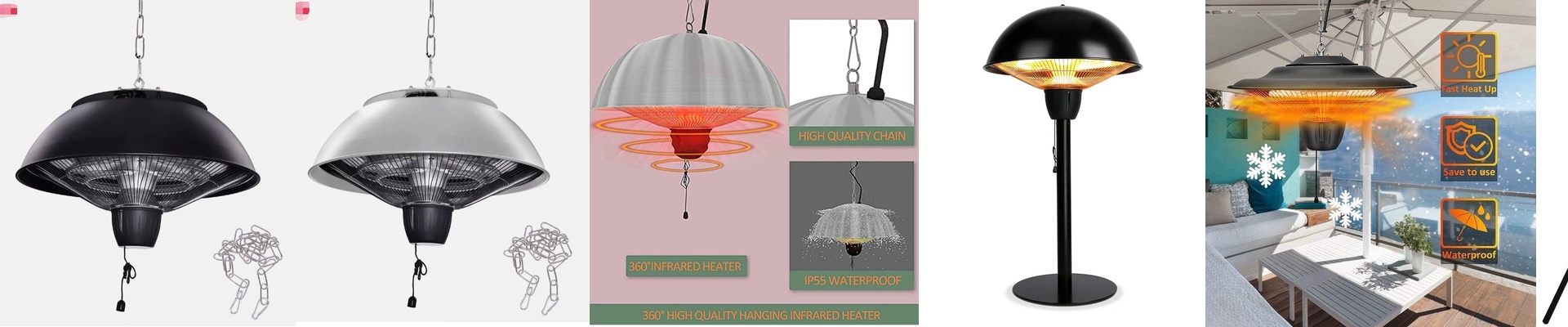
Stop Letting Your Patio Go to Waste This Winter
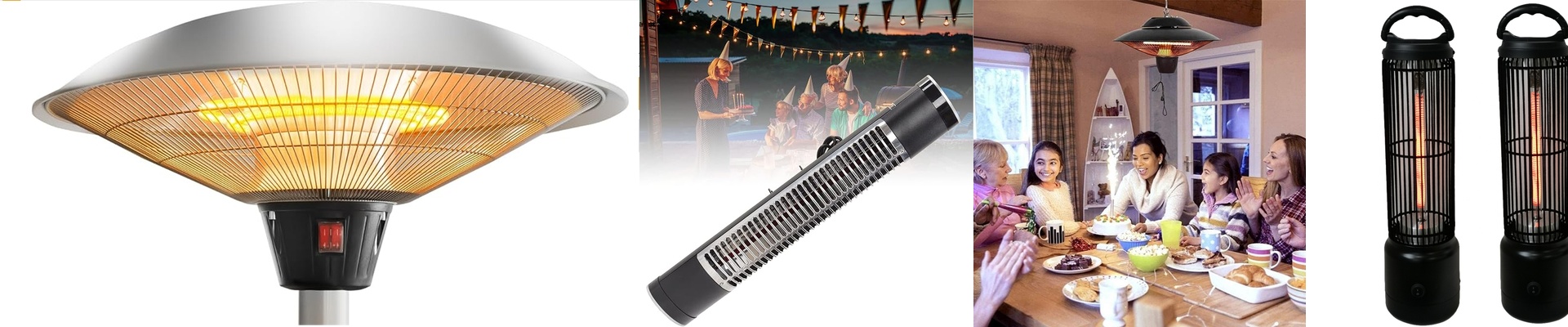
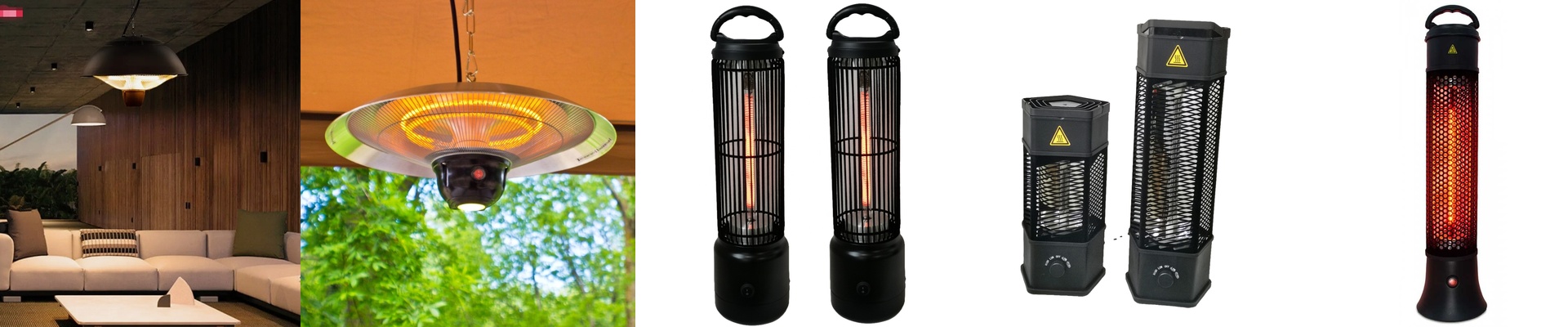
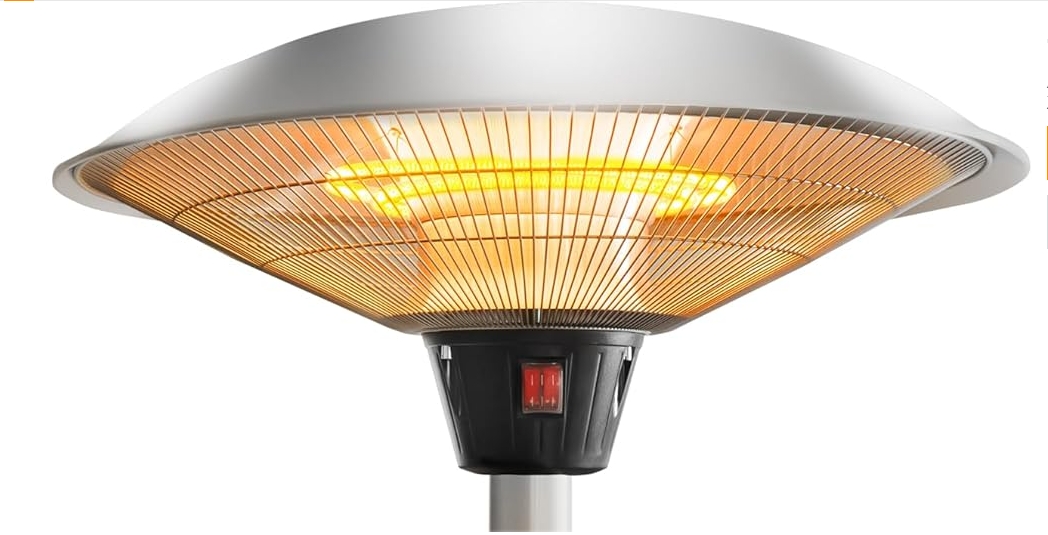
It’s a frustrating sight: a beautiful outdoor dining area sitting completely empty just because the temperature dropped a few degrees. You’ve got the space, but nobody wants to freeze while eating their pasta. That’s why we built our waterproof infrared heaters. Most heaters just try to warm up the air, but the wind usually carries that heat away before it even reaches the guest. Our units work differently. They use short-wave radiation to heat people and objects directly. It’s like sitting in the sun on a crisp October day. You feel the warmth immediately, even if there’s a breeze. The nitty-gritty on how they work We focused the heat into a tight downward cone. Why? Because warming the entire open air of a patio is a waste of money. You want the heat exactly where the customer is sitting—not floating away into the sky. And since these are for the outdoors, we didn’t mess around with the weatherproofing. We used sealed housings and heavy-duty gaskets to keep rain and snow out. You can leave them up all year. No need to take them down, store them, or worry about them rusting into a heap of scrap metal by March. The bottom line for your business Here is the truth: cold customers leave. Fast. But when people are cozy, they linger. They order that extra round of drinks or a dessert they weren’t planning on. By adding heat, you’re basically adding more square footage to your restaurant without having to build a single wall. Plus, it lets you open your outdoor section during those “in-between” seasons. More seats available means more people served, which means more money in the bank. One thing to watch out for I want to be honest about the setup: these aren’t “plug-and-play” lamps. Because they pack a punch, they pull a lot of power. If you try to plug a bunch of these into a standard home outlet, you’re going to trip your breakers the moment the winter rush hits. You’ll need to have an electrician look at your panel and make sure your wiring can handle the load. Just have your contractor calculate the amperage for each zone before you start installing them, and you’ll be golden.