Stop Losing Money Every Time the Temperature Drops
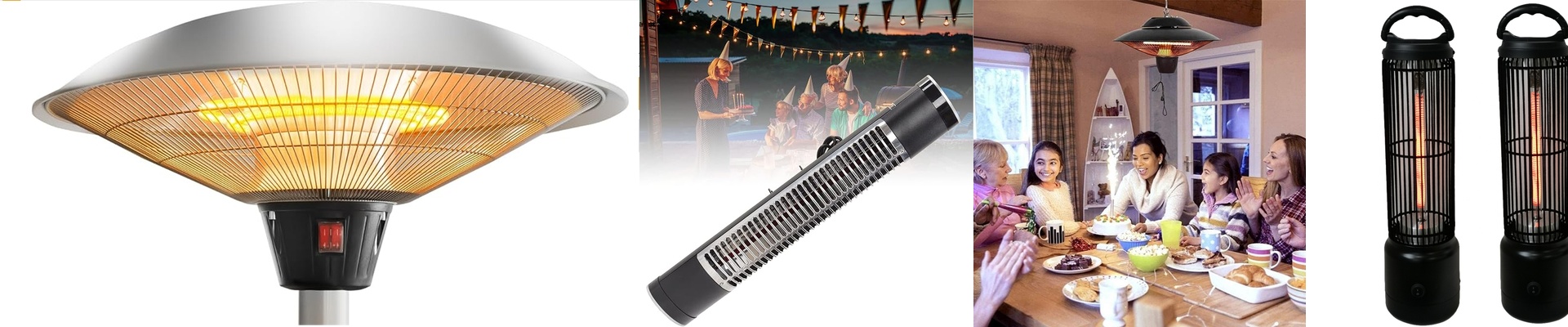
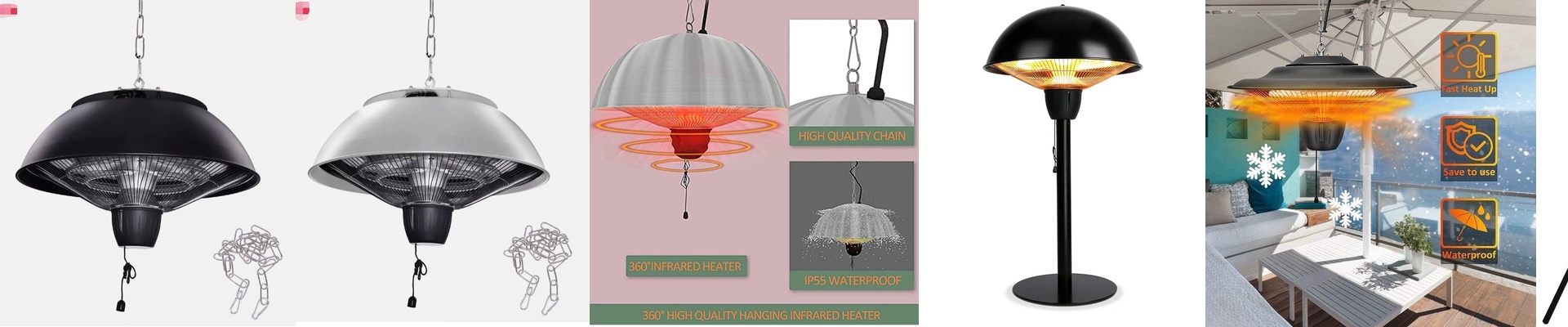
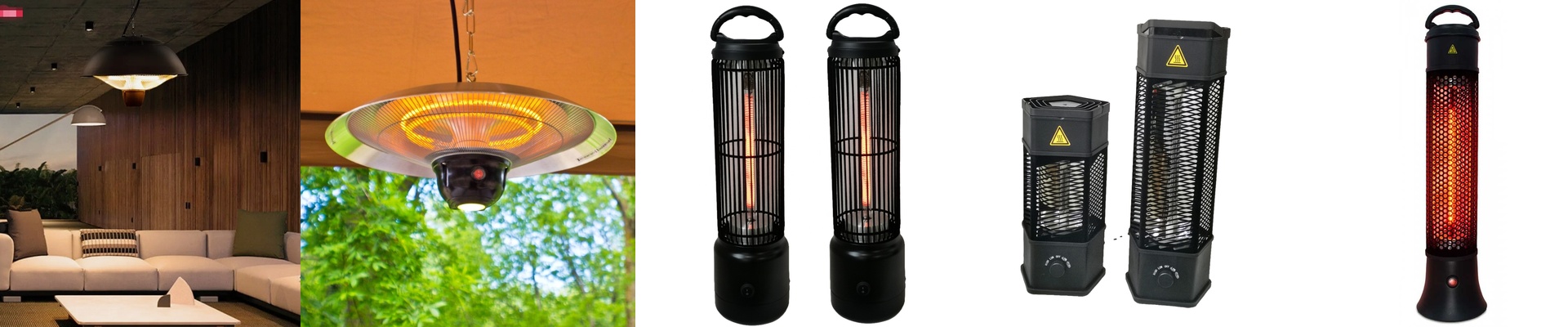
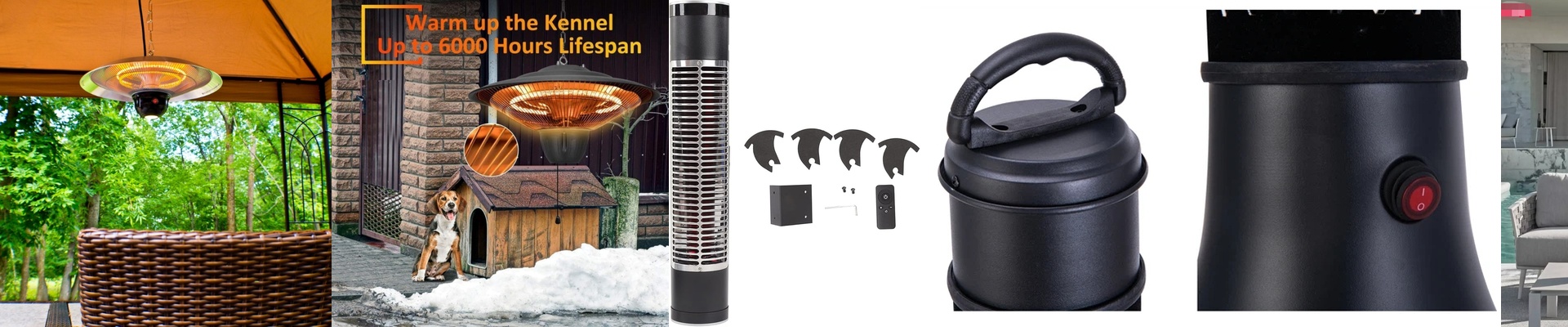
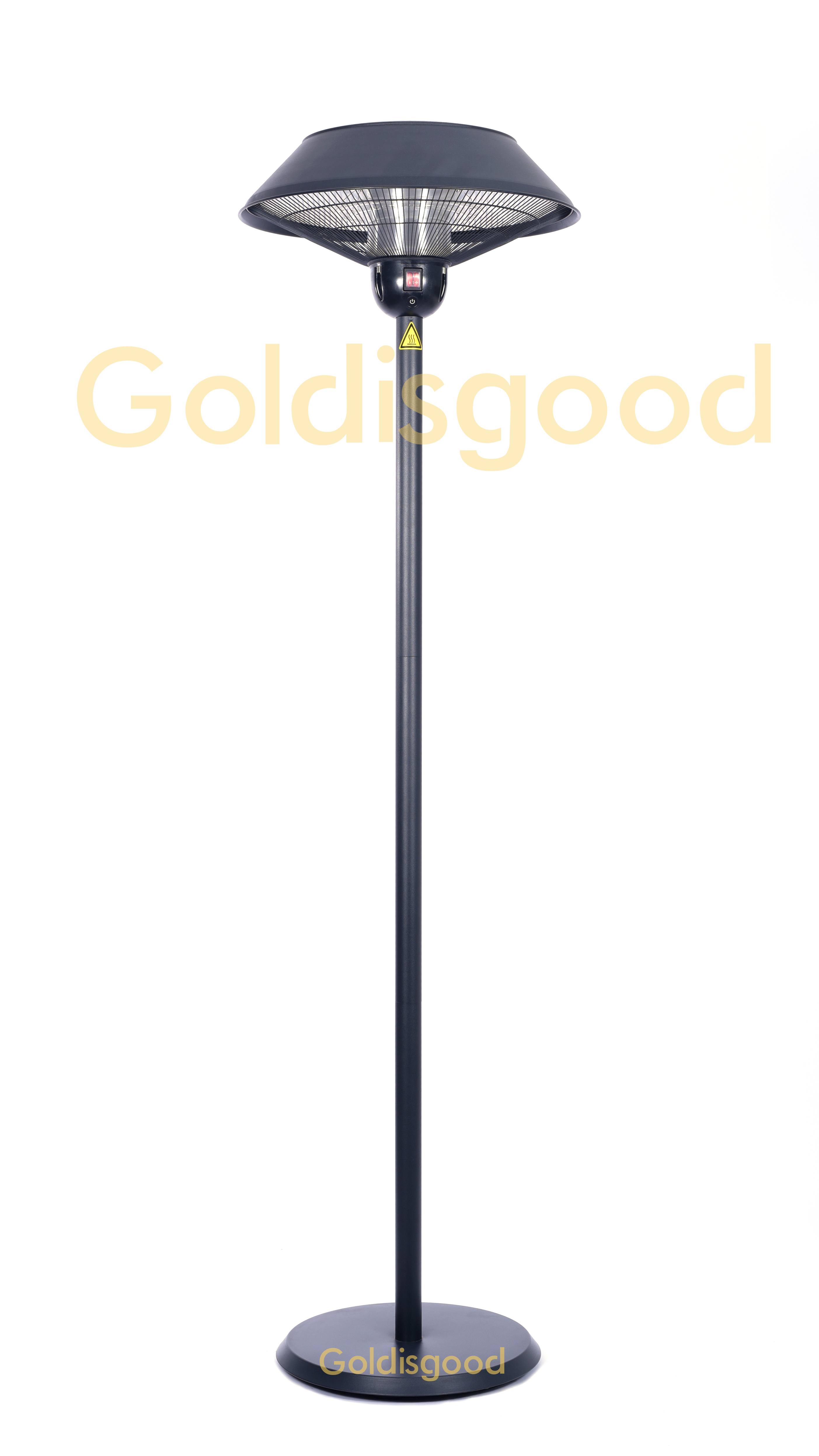
Let’s be honest: the second it gets chilly outside, your patio becomes a ghost town. Guests might sit down, but the moment they feel that breeze, they start checking their watches. They finish their drinks faster, skip dessert, and head for the door. It’s a nightmare for your bottom line. You’ve got the space, but you can’t use it. That’s where our IP44 infrared heaters come in. We build these for the chaos of a busy restaurant—both as overhead units and table-integrated heat.
Why “Air Heating” Doesn’t Work Outside
If you’ve ever used a space heater outdoors, you know the frustration. You’re basically trying to heat the entire sky. The wind just blows that warm air away before it even reaches the customer. Infrared is different. It doesn’t bother with the air. Instead, it sends out waves of heat that hit people and objects directly. It feels like standing in a patch of sunlight on a crisp autumn day.Instant warmth. When guests feel that on their skin, they relax. They stay for another round of drinks. They actually enjoy the atmosphere instead of shivering through their meal.
Built for the Elements
Outdoor gear gets beat up. Between the rain, the snow, and the occasional spilled drink, your equipment needs to be tough. We use an IP44 rating for these units. In plain English? It means they’re sealed up tight. Dust and splashes of water can’t get inside to fry the electronics. You can leave them up all winter without stressing about a rainstorm ruining your investment.
The Bottom Line (and a Few Warnings)
Adding these heaters is a pretty straightforward way to make more money. You stop the “winter shutdown” and keep your tables full even when it’s freezing. More bodies in seats equals higher checks. But, a quick heads-up on the technical side: these things pull a lot of power. If you try to plug ten 2kW heaters into one old circuit, you’re going to blow a fuse. Before you start wiring, have a pro look at your electrical panel to make sure it can handle the load. Also, think about your layout. Map out where the heat hits so you don’t end up with “cold spots” between tables. You want a blanket of warmth, not a lottery where only one lucky table stays cozy.