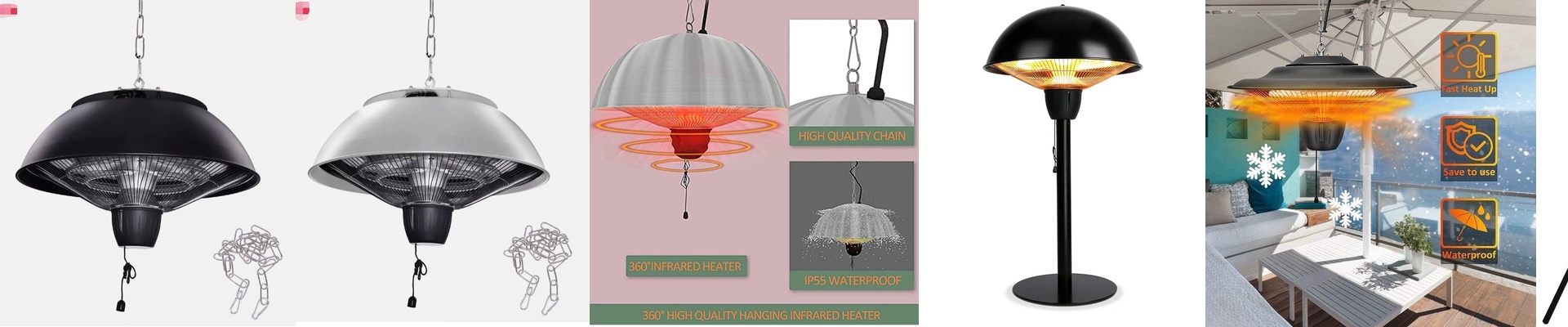
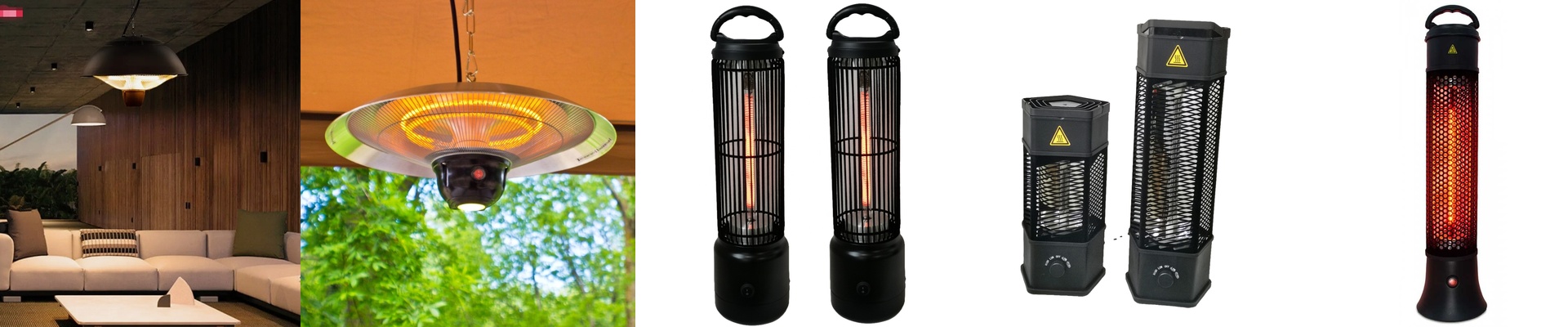
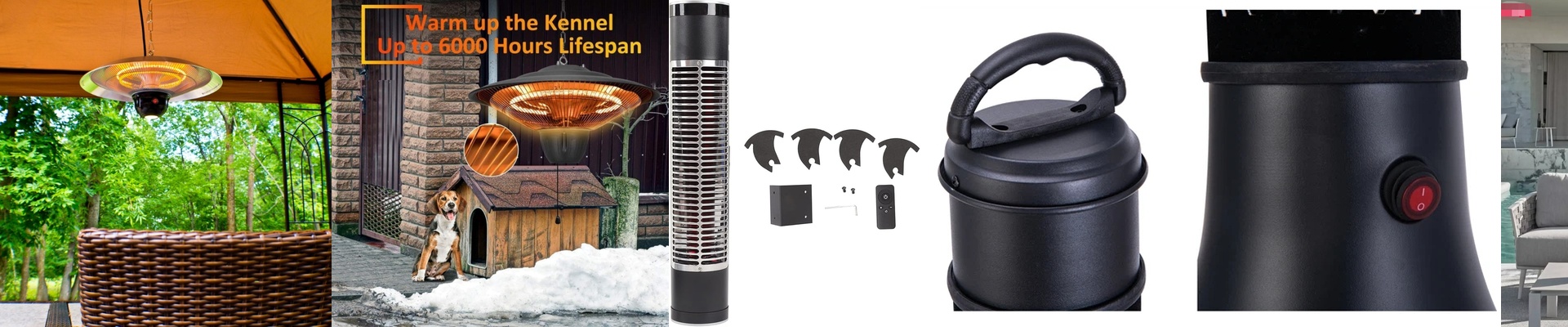
Why your bathroom needs a waterproof infrared heater (and why the old lamps suck)
For years, those old halogen “heat lamps” were the go-to for bathrooms. You know the ones—they get bright, they get hot, and then they usually burn out right when you actually need them. But things are changing. More people are switching to high-IP infrared heaters during their renovations, and for a good reason. It really comes down to how they handle steam and how they actually make you feel warm. The battle with steam Here is the problem with standard halogen lamps: they aren’t great at keeping water out. In a steamy bathroom, that vapor finds its way inside the housing. Then you get a short circuit or a dead bulb. It’s frustrating. We build our infrared units with high IP ratings. In plain English? They’re sealed tight. Water jets and heavy steam can’t get into the guts of the machine. You can take a long, hot shower without worrying that your heater is going to give up the ghost after three months. Heat you can actually feel There’s a big difference in how these things work. Halogen lamps try to heat the air. But in a bathroom, that warm air just floats up and disappears through the vent. You’re basically heating the ceiling. Infrared is different. It sends out waves that hit you and the surfaces around you directly. It’s that instant, cozy warmth the second you flip the switch. You aren’t waiting for the whole room to warm up; you just feel it. A quick heads-up on installation If you’re swapping these into an old ceiling, it’s pretty straightforward. We’ve made the wiring simple so it fits right into the grids you already have. But, there is one thing to watch out for: your power load. These infrared arrays pull more juice than a single old bulb. If you’re living in an older place, double-check your breaker. You don’t want to flip the switch and suddenly plunge your whole bathroom into darkness because the circuit couldn’t handle the power. Moving to waterproof infrared isn’t about adding some fancy luxury to your house. It’s just about using gear that doesn’t fight against the humidity. It lasts longer, takes up less space, and actually keeps you warm.