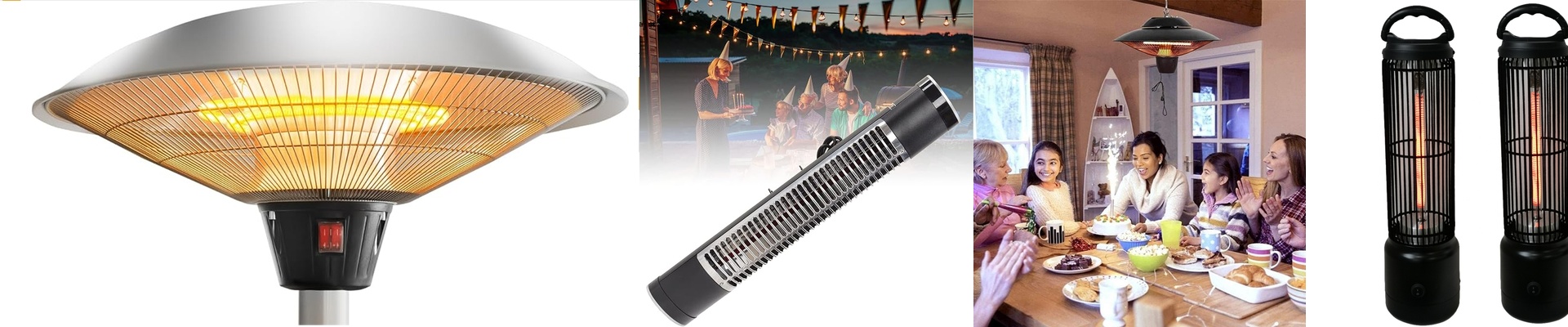
Dimmable Halogen Patio Heaters: The Real Deal on Heat, Wiring, and Infrared
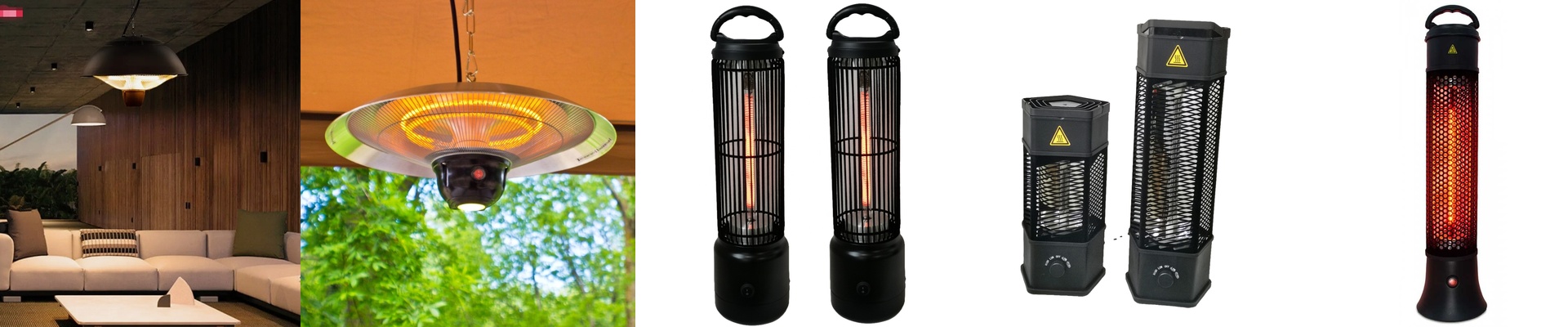
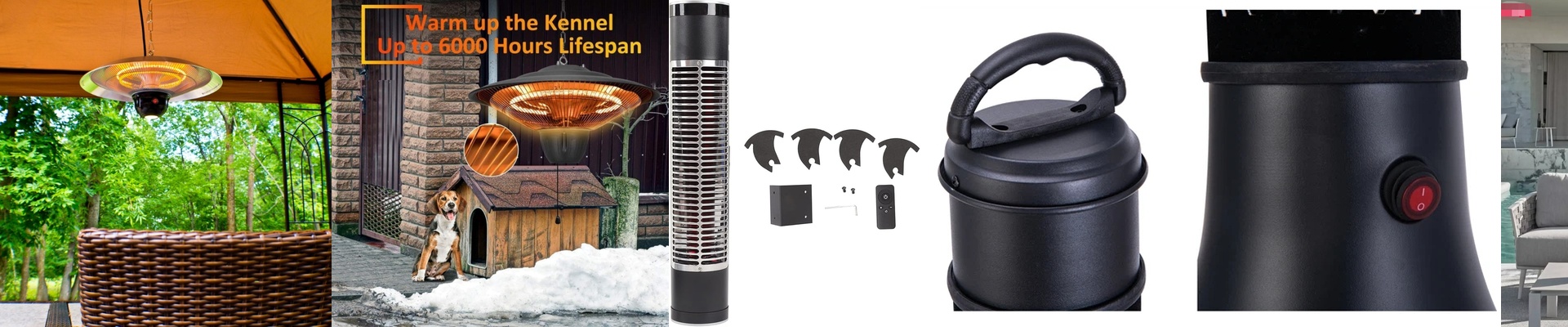
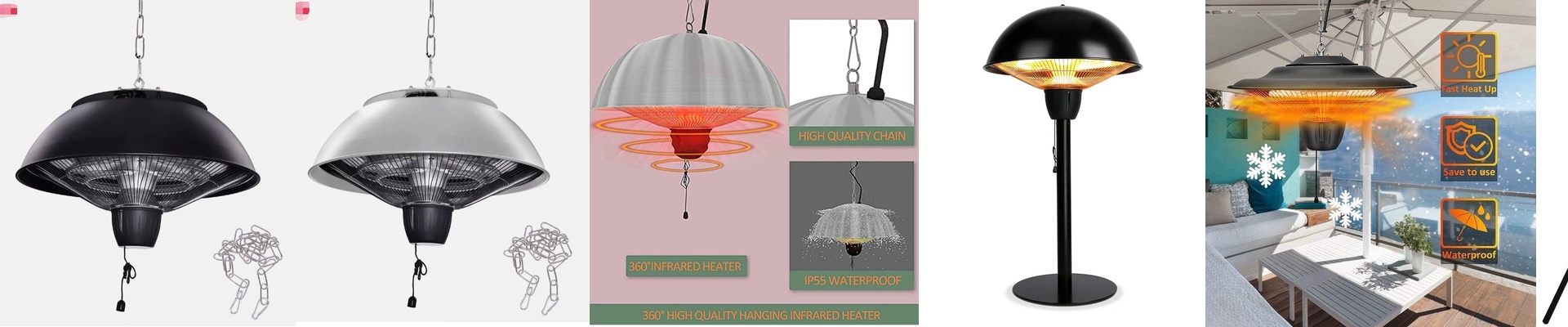
Here’s the thing about our dimmable patio heaters: we built them for one simple reason. To put warm, controllable infrared heat right where you want it—without turning your whole backyard into a desert. The magic happens inside a halogen-filled quartz tube. It gets hot fast. Seriously fast. And because it does, we pair it with a dimming interface that gives you a smooth, predictable heat curve. No guesswork. Just comfort, exactly when you need it.
Let’s Talk Tech (Without the Jargon)
Most of our heaters run on either 120V or 240V, with power ratings between 1500W and 2000W. That kind of wattage packed into a compact tube is what lets you feel warmth across a wide area—without taking up a ton of space. The tube itself usually runs about 300mm to 400mm long. That length gives you a consistent beam spread, so you know what you’re getting. Need even more heat in a smaller footprint? We can step up to 400V configurations. But that means your wiring and control gear need to be rated for the higher voltage and the current that comes with it. Safety first, always.
What Makes Them Tick
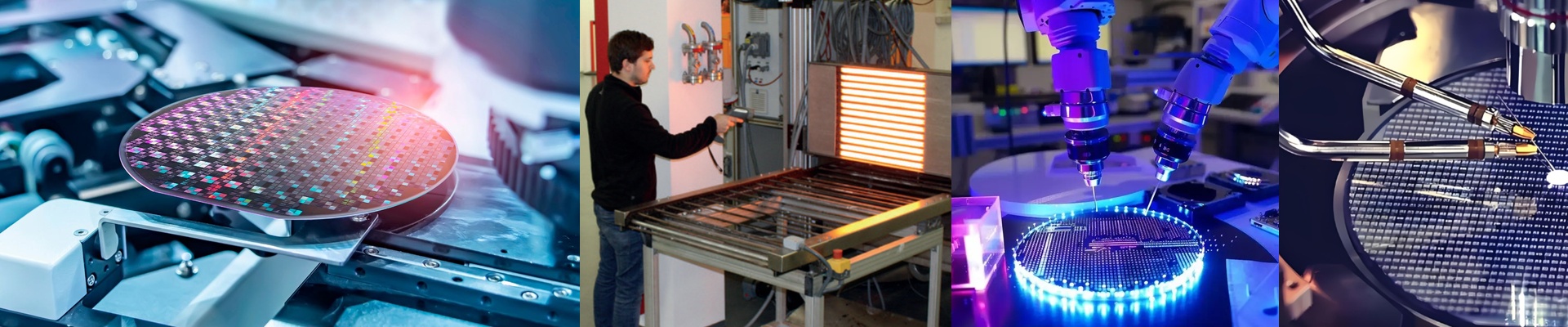
The quartz envelope can handle the shock of turning on and off quickly. No drama. And the halogen cycle keeps the filament stable over time, so you don’t get that slow fade-out that happens with other bulbs. We also coat the tube to shape the light spectrum. The result? More usable infrared warmth and less harsh glare. You feel the heat, but your eyes don’t pay the price. And the connector? We use an R7s. It’s a simple, two-contact design that makes the lamp a straight-up drop-in replacement. Swap it out on the bench, wire it up, and you’re good to go. No messing around with complicated rewiring.
Why This Matters When You’re Actually Using It
Outdoors or in a semi-outdoor space, the dimmable feature is a game-changer. You can match the heat output to how many people are around and what the weather’s doing. No more cycling the heater on and off just to keep things steady. And because it’s infrared, you’re not just heating the air. You’re warming people and surfaces directly. That’s the kind of warmth that actually feels good. Now, a heads-up: high heat density means you need proper clearances and ventilation. And the dimming circuitry has to match the lamp’s voltage and load. But get those details right, and you’ve got a setup that’s both comfortable and practical.