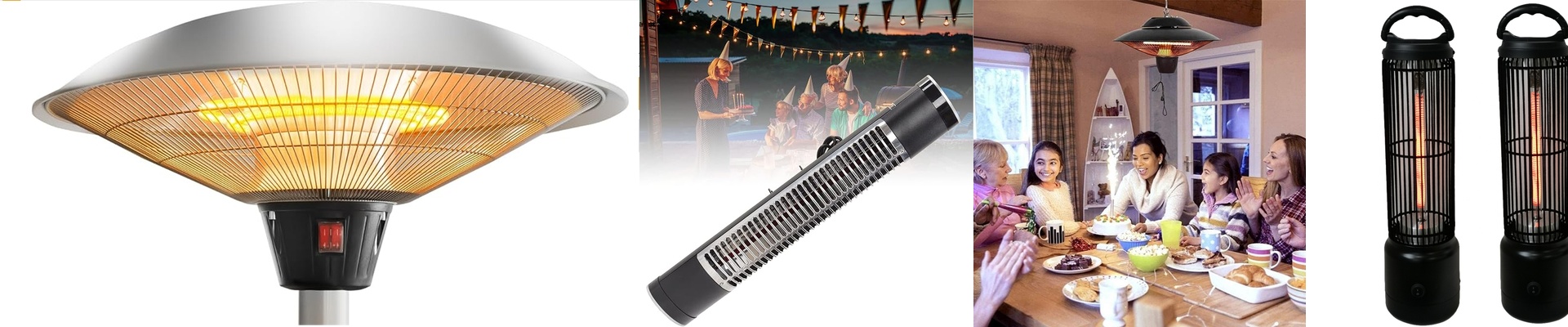
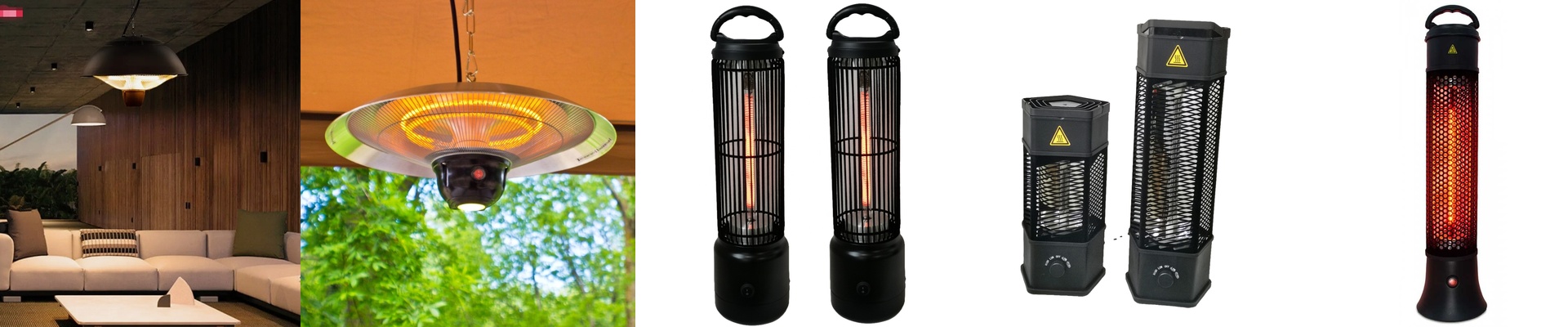

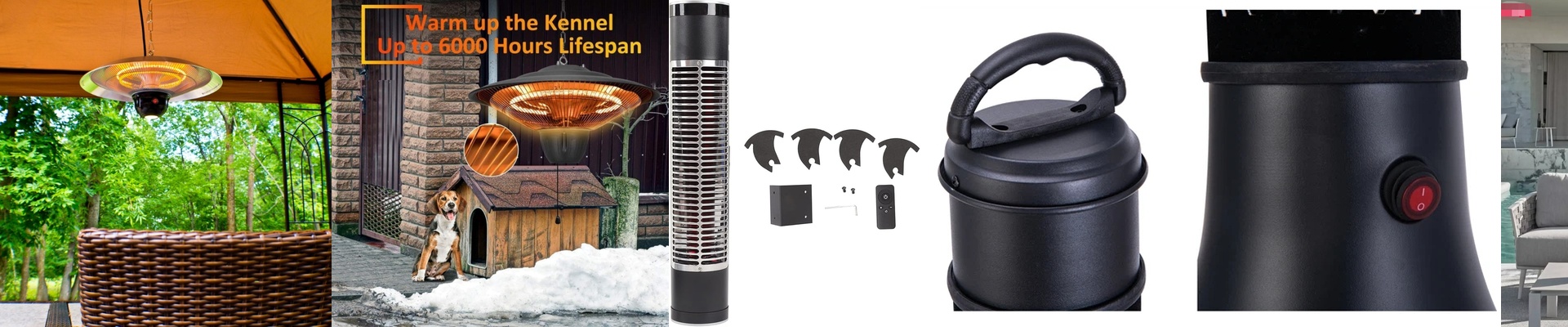
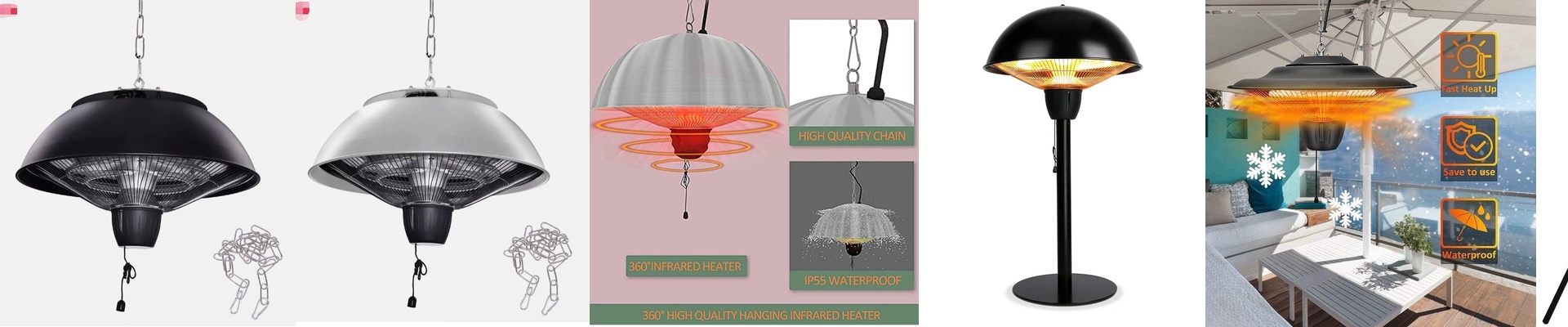
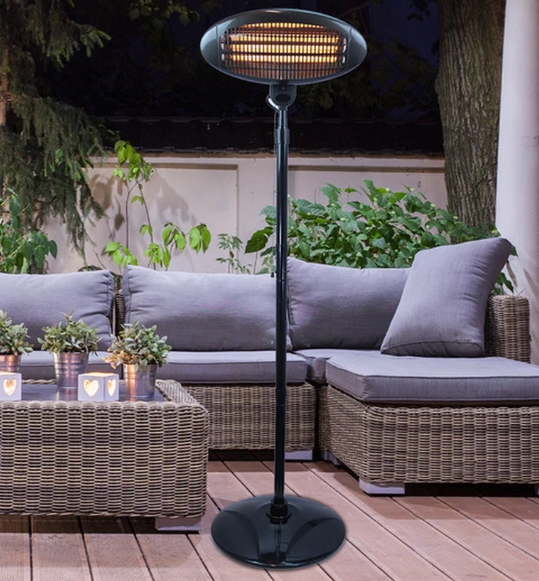
Dust on an outdoor infrared heater is more than just a cosmetic issue. A thin layer of grime on the emitter and reflector makes the element work overtime. Heat output drops while your electricity use climbs. You end up with longer warm-up times, uneven warmth, and a shorter service life—exactly what you don’t want on a cool evening on the patio.
What matters under the hood
Outdoor infrared electric heaters deliver comfort by radiating heat directly to people and surfaces, not by heating the air. In our models, the core is a carbon fiber element paired with a high-reflectance parabolic reflector, engineered to focus infrared warmth where you need it. Typical units run on standard 120V or 240V circuits, with outputs matched to patio scale—often 1,500W to 5,000W. We include a thermostat for steady comfort, tip-over protection for safety, and IP ratings for resistance to rain and dust.
Why this approach works outside
Patio spaces face wind, moisture, and airborne debris. Because infrared heat warms objects and people directly, it holds steady when the breeze picks up—unlike air-heating methods that lose their grip. Keep the emitter and reflector clean, and the heater maintains consistent output. You spend less time waiting and more time enjoying steady warmth. Clean components also keep the system drawing what it’s designed to draw, so energy use stays predictable.
Practical setup and upkeep
Install the heater where airflow is adequate and where it’s protected from direct rain and heavy dust ingress, in line with its IP rating. Match voltage and plug type to your outlet—hardwired 240V units deliver higher output, while 120V plug-in models are easier to place. A light weekly wipe of the emitter and reflector with a soft, dry cloth keeps performance consistent.Position the heater to directly face seating areas—infrared warmth lands where you aim it, so aim carefully for the most comfortable results.