
Commercial property managers know the drill every winter: you need outdoor spaces that stay usable, but you can’t just throw money at building-wide energy use to make it happen. Forced-air systems dump heat into empty air, and underperforming patio heaters just push the utility bill higher. The outcome is predictable—wasted energy, frustrated tenants, and ESG numbers that don’t move the needle.
What actually matters, technically
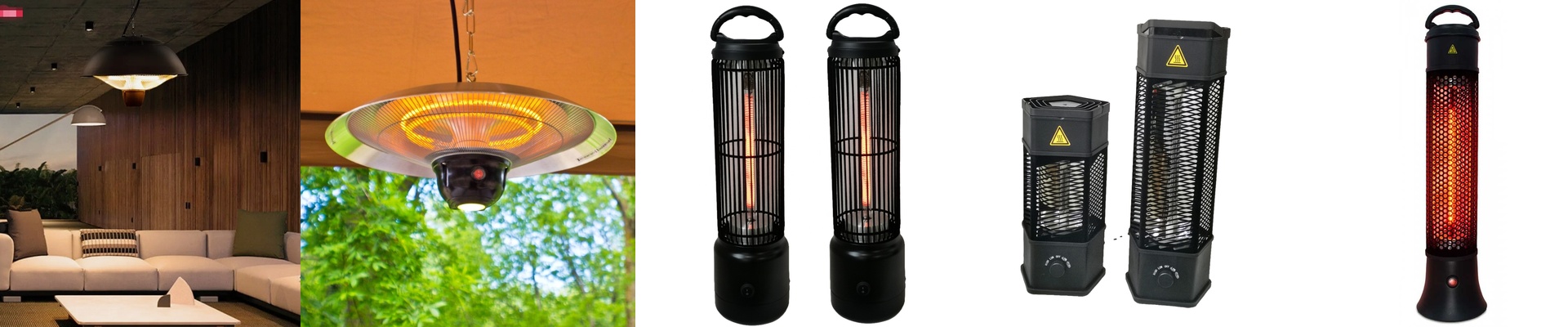
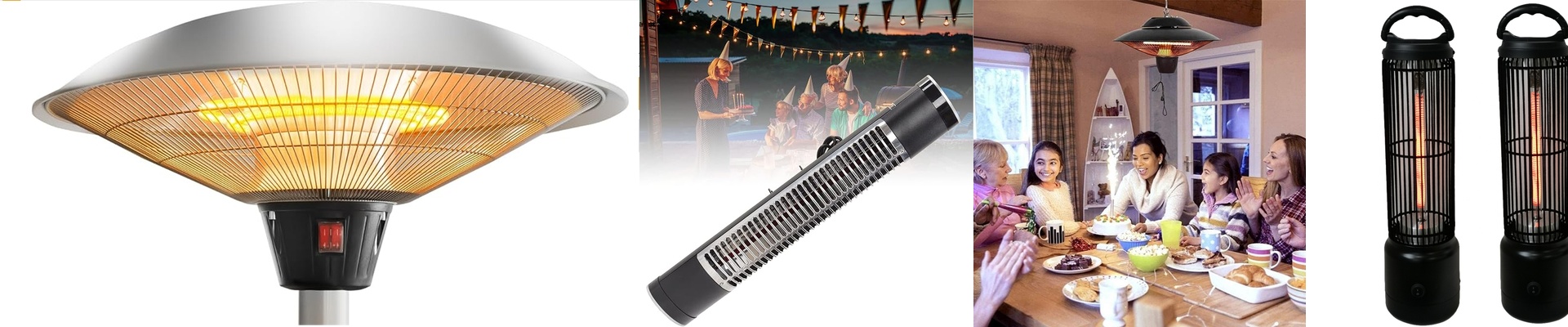
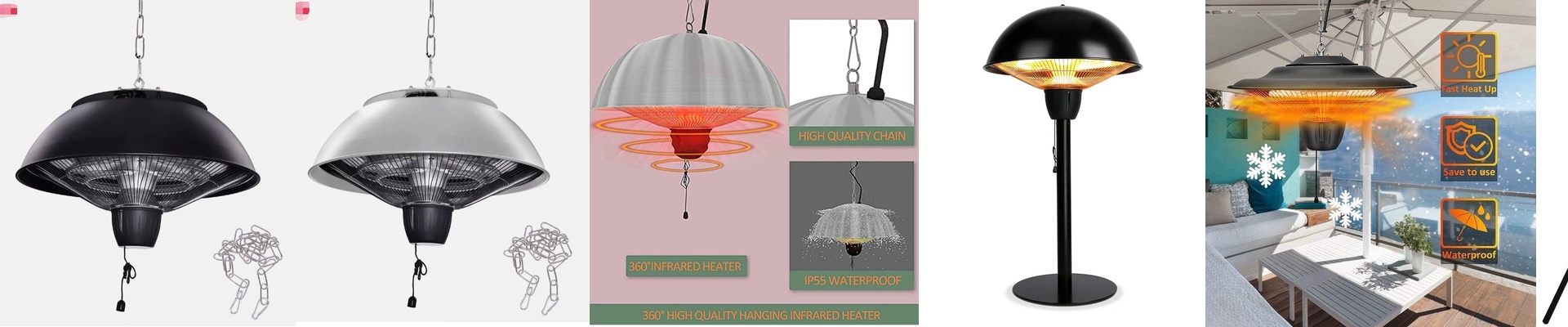
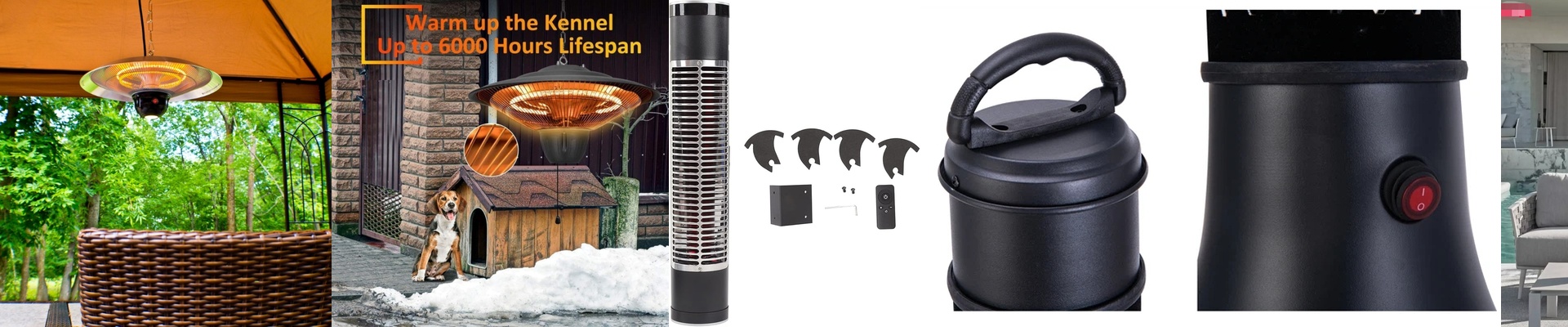
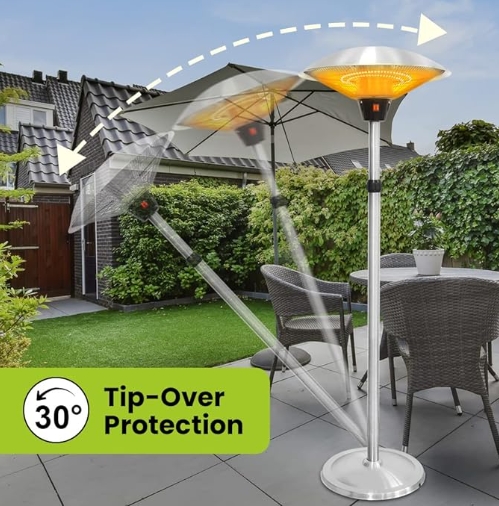
Infrared balcony heaters work the way the sun does—warming people and surfaces directly, not the air around them. We lean on carbon fiber elements and quartz tubes to deliver radiant heat that comes on fast and stays tightly focused. A typical 1.5 kW unit covers a 10–12 m² balcony, and people feel the warmth within seconds, not minutes. These run off standard 220–240 V outlets, with built-in thermostats for steady comfort and tip-over protection for safety. The IP54 rating tells you they’re built for real balcony conditions—damp, breezy, and exposed.
Why this fits the job
Here is the thing: infrared heating is inherently efficient in outdoor settings because it targets the occupants, not the whole outdoor volume. You keep comfort high while keeping energy use down. That lower draw cuts into overall building consumption, which helps control operating costs and supports stronger ESG reporting. Tenants get a dependable outdoor amenity that stretches the usable season, and that tends to improve satisfaction and retention. For owners, it also means better curb appeal and a property that’s easier to keep competitive.
What you need to get right
Infrared heating performs best when mounting height and angle are on point, so people feel the warmth as soon as they step out. Clearances matter, and local electrical codes apply—so a proper install ensures the wiring is safe and compliant. And keep this in mind: infrared delivers that instant warmth, but it doesn’t heat inanimate objects the same way ambient systems do.Seat people within the direct beam for the best experience.