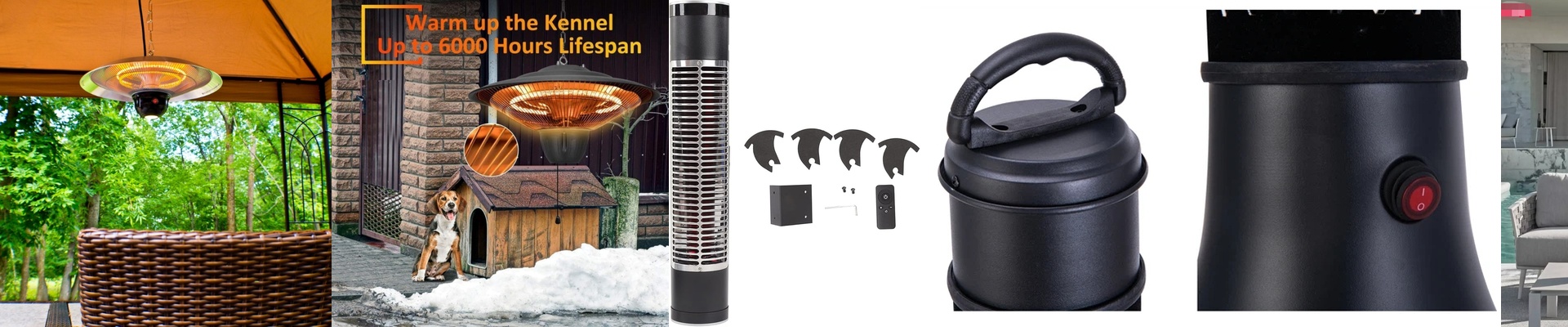
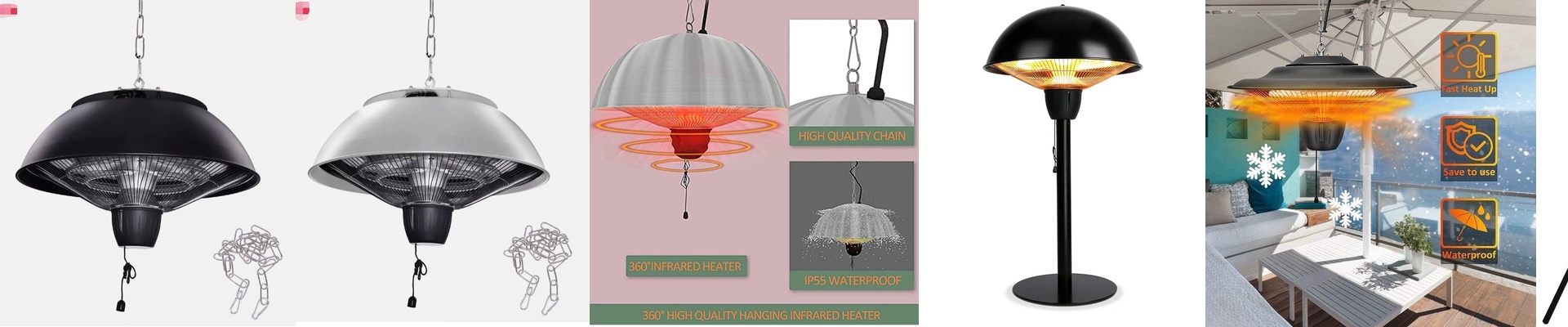
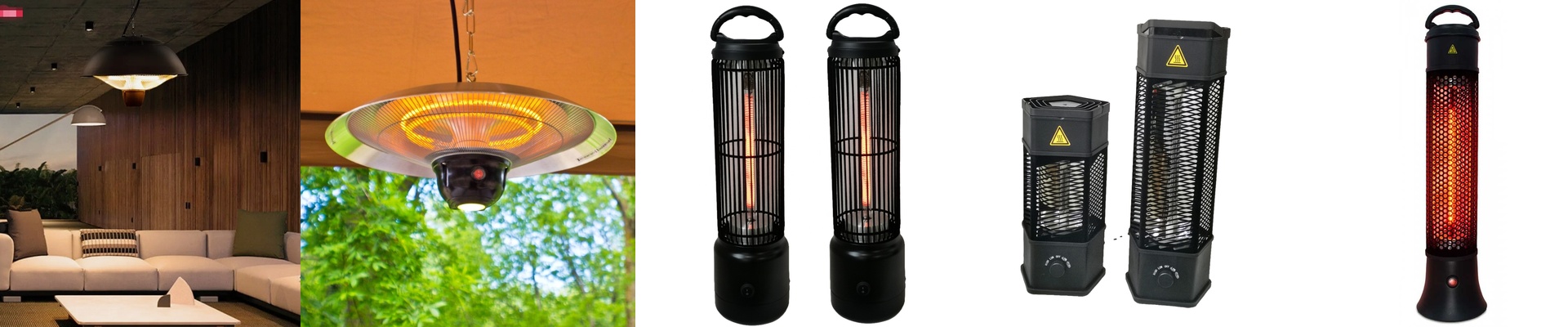
In an office, winter cold does more than make people shiver. It drags on circulation, tightens shoulders, and sends sniffles around as staff crowd near underperforming heaters. When comfort drops, focus and attendance slip, and deadlines suddenly feel heavier.
What matters, technically
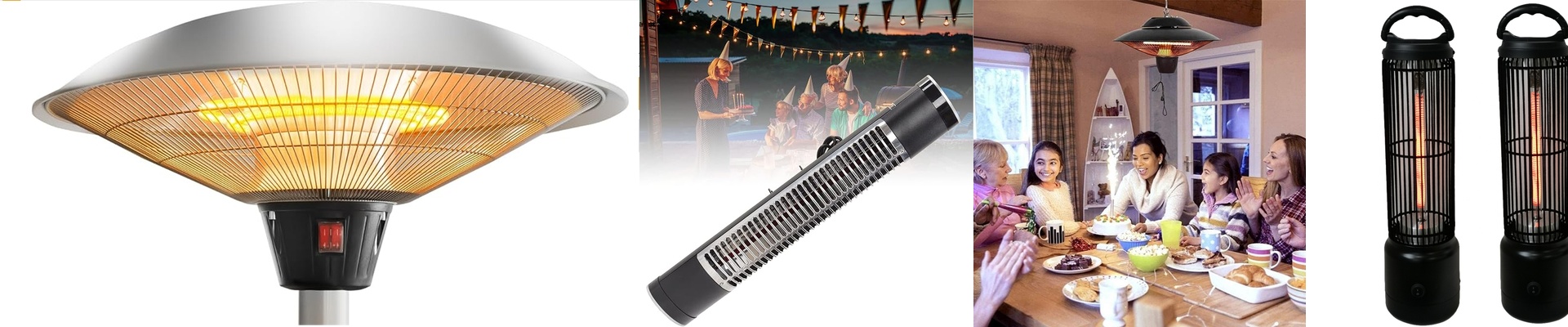
We built our office infrared heater around a carbon fiber element and short-wave infrared radiation. You get heat the instant the unit starts—no warm-up wait. The beam targets people and nearby surfaces directly, not the air, so the room stays steady even when doors open and close. A built-in thermostat holds your chosen comfort level, and the protective grill keeps contact safe. The whole package stays quiet, so meetings and deep work don’t get disrupted.
Why this works in an office
Infrared warmth hits where the body needs it most. Staff feel heat on skin and clothing, which helps ease muscle stiffness and supports better blood flow. With fewer cold drafts and sudden chills, the space stays more consistent, and that winter cold cycle gets broken. That translates to fewer interruptions, fewer coughs traveling across desks, and a team that can settle in and work. The focused heat also wastes less energy than heating empty air, so you keep comfort up while keeping bills in line.
What to keep in mind
Infrared heaters perform best when placed to cover workstations and common areas, not as a single heat source for an entire floor. Match the unit to the room size, and keep pathways clear. Because radiant heat warms surfaces directly, nearby objects can feel warmer to the touch. Plan the location with that in mind, and pair the heater with your existing HVAC for balanced coverage.