
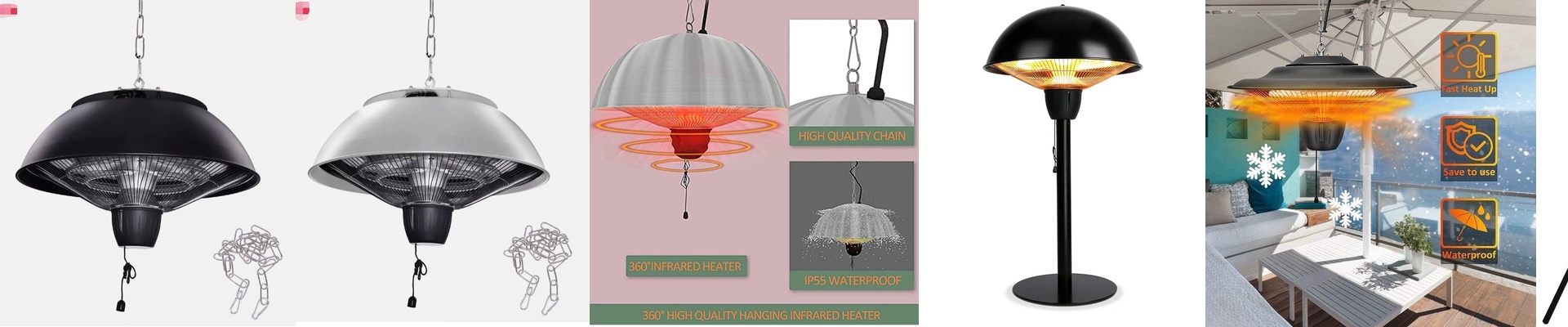
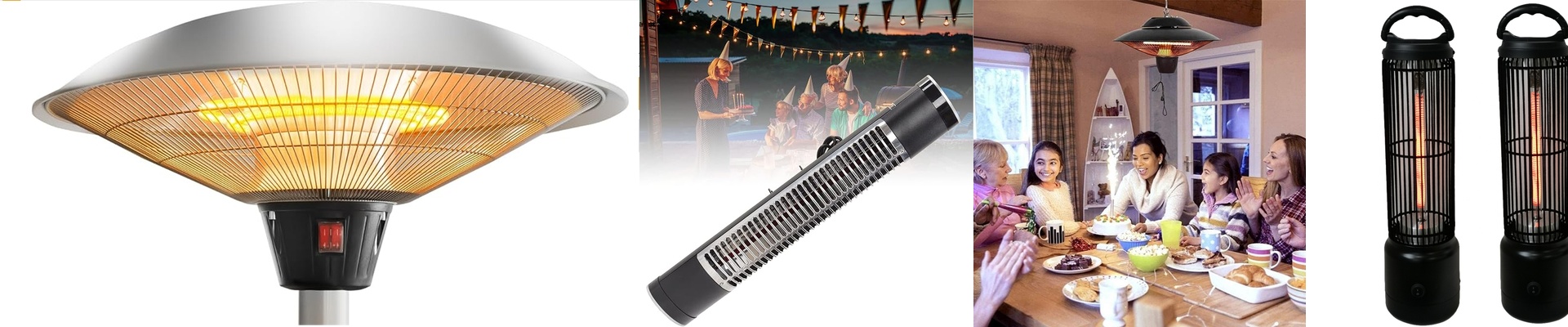
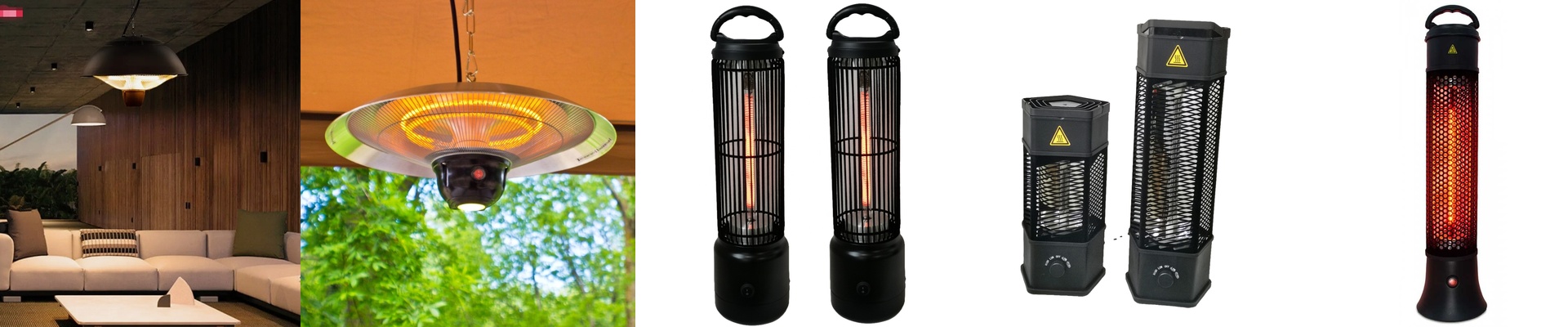
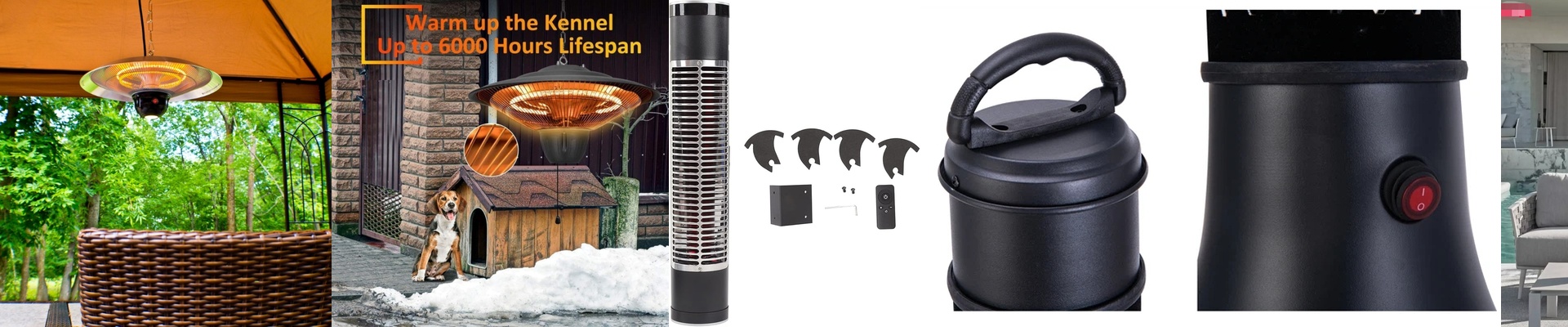
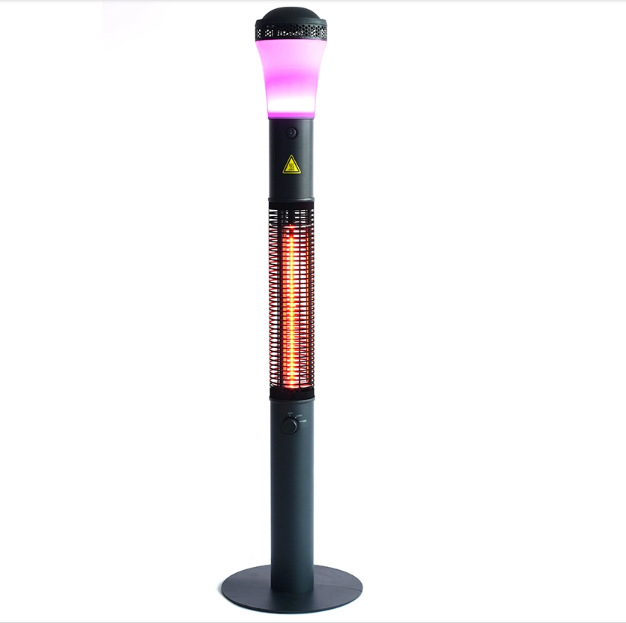
Step inside a modern living room on a cold night and you’ll feel it—that draft along the windows. Standard heaters just push air around, kicking up dust and noise, and the cold pockets never seem to leave. We spent time in 2,000 European homes to see how people actually want to warm their spaces: quietly, fast, and without hassle. What we built is an infrared space heater that leans on radiant warmth—heat you feel directly, the same way sunlight hits your skin.
What actually matters, technically
Infrared heating sends out radiant energy that warms people and objects first, not the air. Our living room unit runs on a quartz tube element for short-wave infrared, so the heat comes on fast with almost no warm-up time. Pick from 400W, 800W, or 1200W to match the room—from a snug den up to a 20 m² living area. It plugs into a standard 230V outlet, so setup is straightforward, and the slim profile slips neatly beside a sofa or under a console. A built-in thermostat holds your comfort level, while tip-over protection and a cool-touch housing keep day-to-day use sensible.
How it behaves in the real room
Turn it on and you feel the heat within seconds. No loud fan. No dry blast of air kicking allergens around. No on-off cycling that leaves cold gaps. The warmth settles evenly, so the reading corner, the dining table, and the sofa all feel balanced. Because infrared puts heat where you need it, you’re not wasting energy heating empty space—handy for living rooms that double as home offices, play areas, and places to entertain. The design stays out of the way, so the heater supports how you live instead of demanding attention.
The details that make the difference
Radiant heat is direct, so position the unit with a clear line of sight to the seating area—about 1.5–3 meters away for even coverage. It warms people and surfaces efficiently, but it isn’t a whole-house solution. Think of it as targeted comfort for the rooms you actually live in. For the best experience, pair it with solid insulation and draft-proofing. And while the exterior stays cool, the element itself runs hot—keep it clear of curtains and furniture, and make the tip-over switch part of your everyday routine.