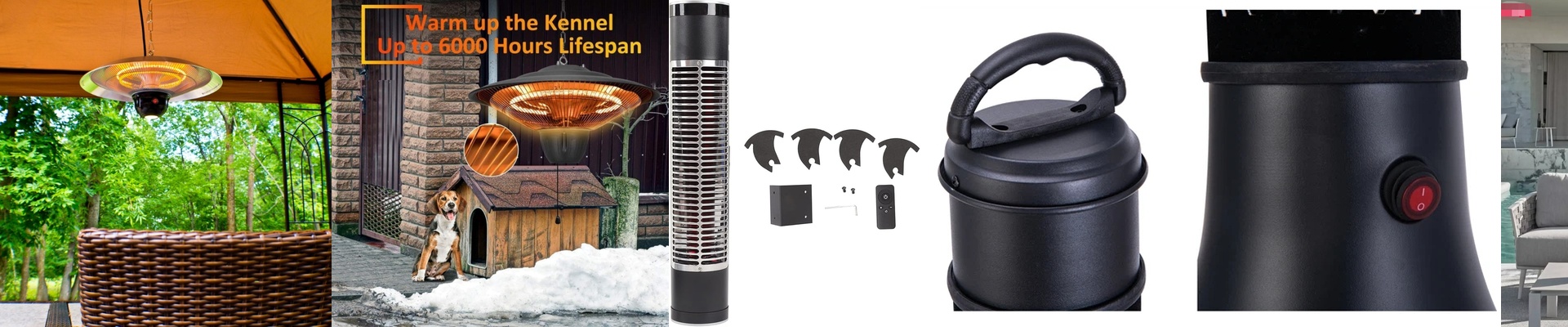

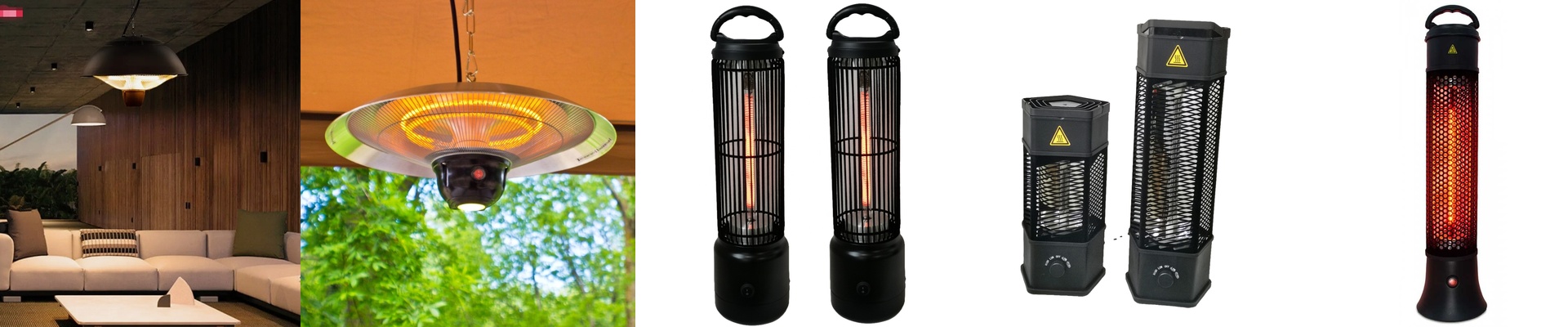
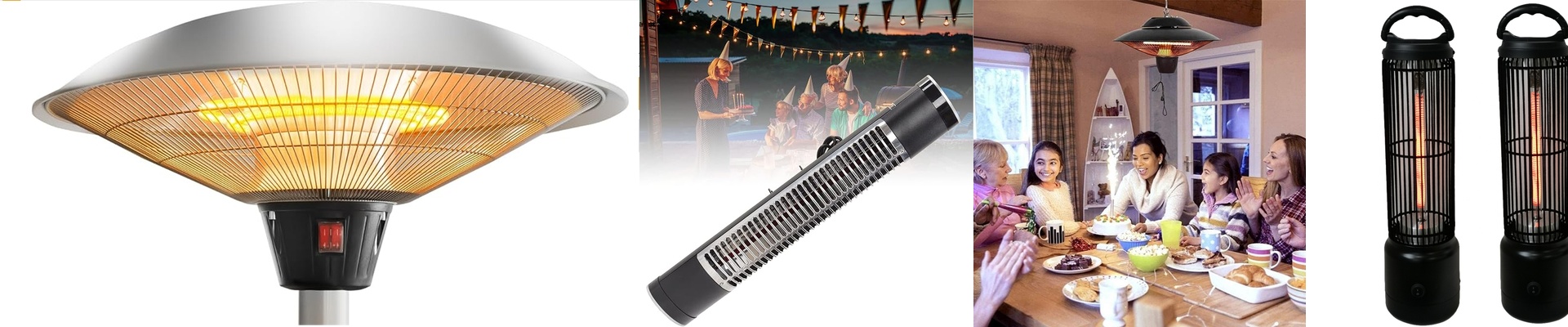

Stand in your workshop on a cold morning, waiting for the space to warm. Flip the switch on an infrared heater and you’ll feel that short pause. It tells you more than any spec sheet. A slow, dim ramp-up usually points to an impure or under-spec element. A clean, near-instant glow means you’ve got a high-purity core—quartz or carbon fiber—built to deliver steady radiant heat.
What matters under the hood
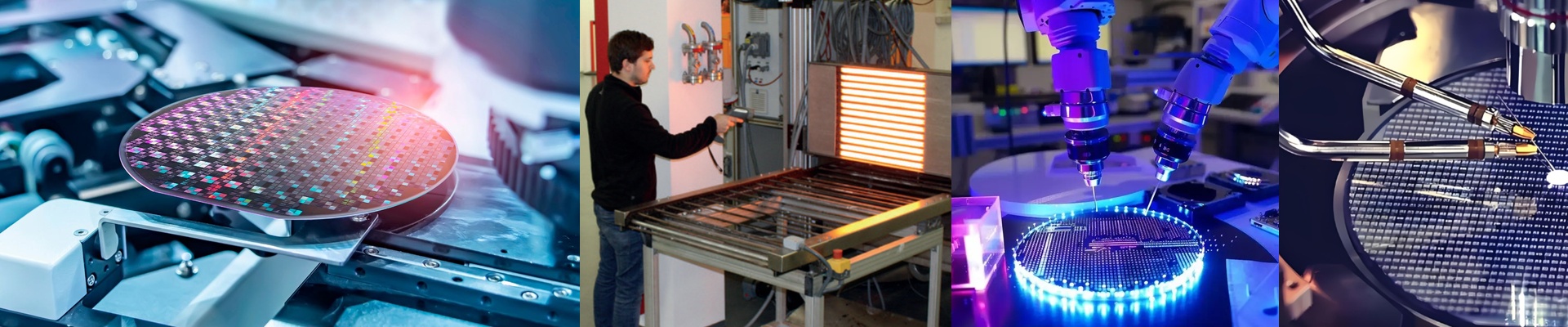
Infrared heaters live and die on the tight fit between element purity, thermal mass, and electrical design. A high-purity element turns current into infrared warmth with far less wasted energy. You want full brightness in about two to five seconds. That fast response tells you the design has low thermal mass, which also means quicker recovery after a door opens and less cycling noise. Match that to a solid housing, a thermostat that holds steady, and safety features like tip-over protection, and you get even comfort—no hot spots, no drafts.
Why this shines in a workshop
In a workshop, garage, or covered patio, heat has to show up on demand and stay even. Fast glow-up means you’re not shivering through a long warm-up. It also means the heater can keep pace when conditions change—doors opening, tools moving, people coming and going. The payoff is steadier warmth where you need it, less run time, and fewer temperature swings that beat up joints and materials.
The practical details you can’t skip
A fast-heating infrared unit needs the right electrical setup. Many models are 120V plug-in, but some higher-output versions call for a dedicated 240V circuit. Plan your outlet and cord length early, and match the heater’s wattage to the space. And keep the unit unobstructed. Radiant heat travels in straight lines, so clear sightlines and proper clearance are what let it perform as designed.