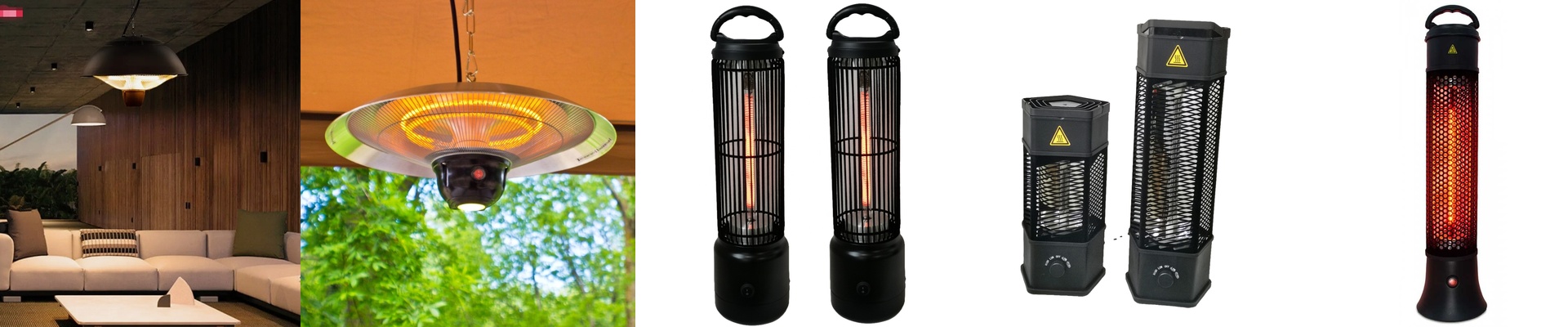
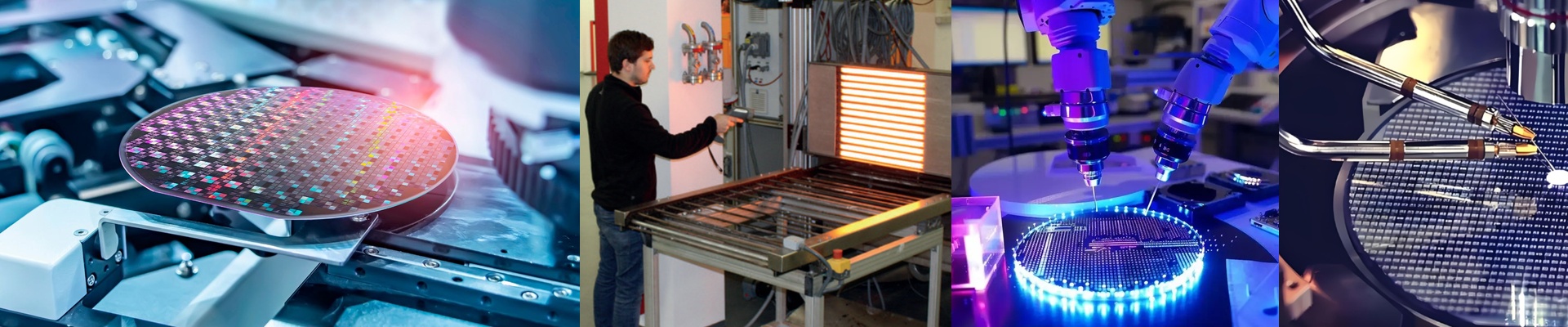
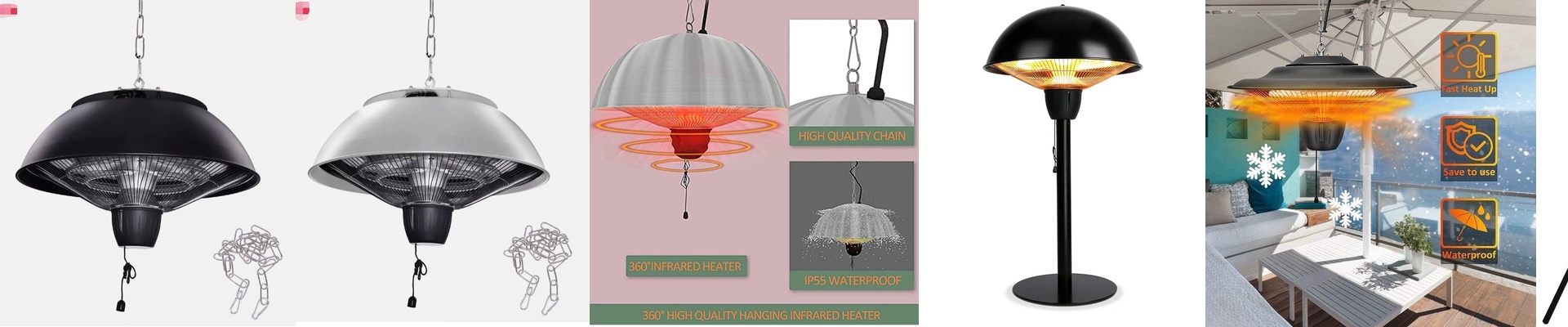
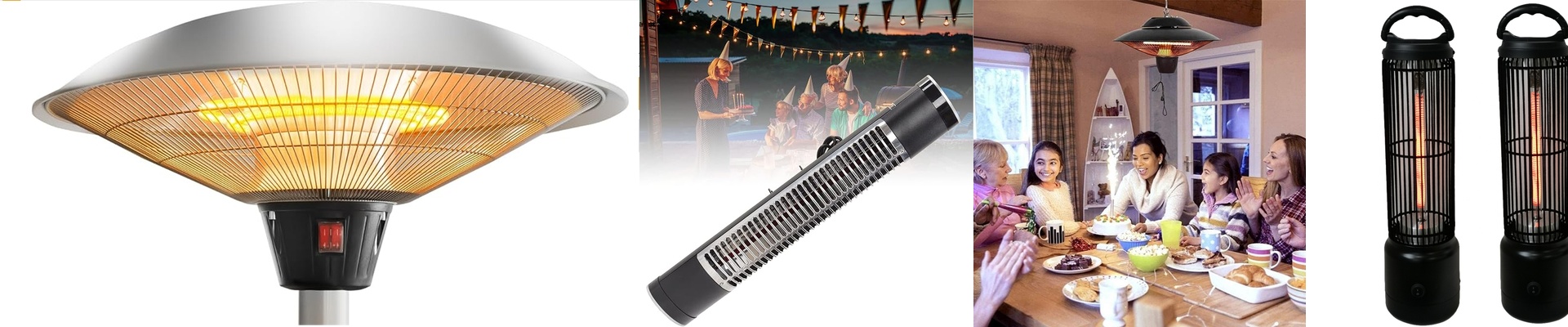
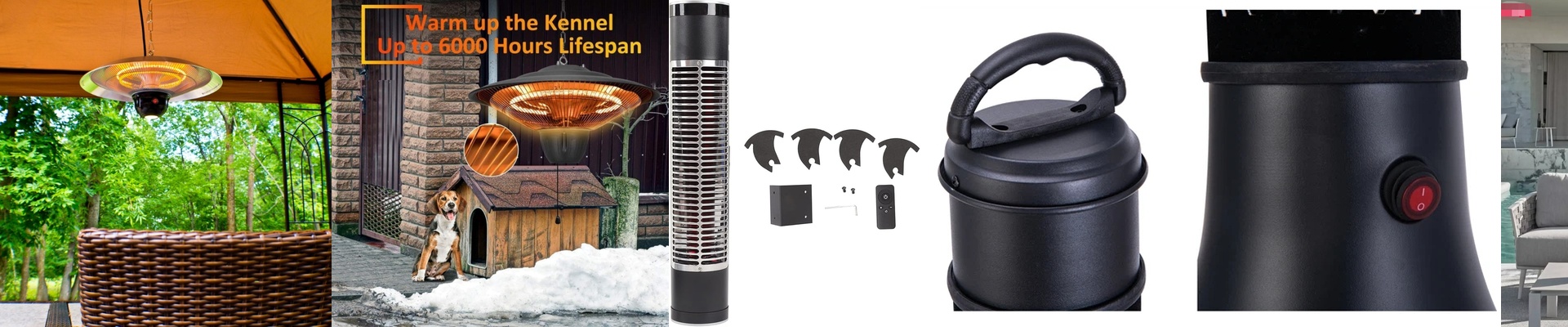
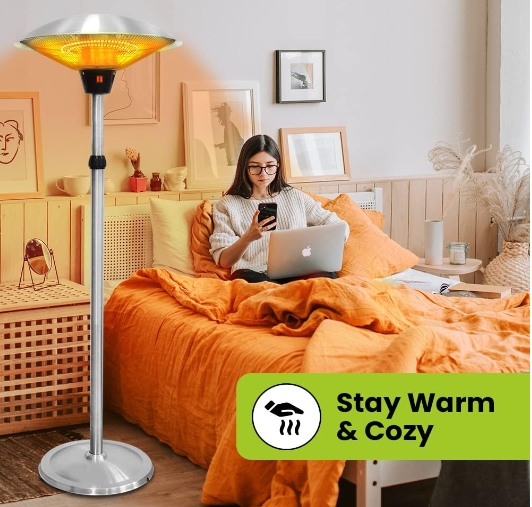
Steam on the mirror. Tile that stays cold underfoot. Bathroom comfort is a daily ritual—and too many heaters flat-out miss the mark. When a bathroom infrared radiant panel fails, you don’t just lose heat. You lose reliability at the worst possible time. That’s why we put every unit through humid, high-temperature aging tests that pack years of steam exposure into a compressed cycle. What you’re really buying A bathroom infrared radiant panel isn’t just a lamp. It’s an electric heater engineered for wet environments, period. Inside, a quartz-based infrared element delivers fast, directional radiant warmth—heating people and surfaces directly instead of chasing the air around the room. We pair that emitter with sealed joints, corrosion-resistant terminals, and a protective front that shrugs off condensation and cleaning sprays. The payoff is output that stays steady when the humidity spikes, not a flicker-and-fade routine. Why bathrooms are a different animal Bathrooms are punishing: constant moisture, rapid temperature swings, and long stretches of standby between short bursts of use. Our aging tests force the weak points to show themselves early—delamination, oxidation, seal fatigue, and electrical drift. Units that survive come out tighter, with consistent output and fewer surprises down the road. For you, that translates to quicker warm-up, even coverage, and a heater that stays quiet and dependable through daily showers. The details that make it work Even a well-tested radiant panel needs smart placement. Mount it where it has direct line-of-sight to the user—that’s where you feel the warmth most immediately—and respect clearances from shower spray and towels. Expect a slightly longer warm-up than a forced-air unit. Radiant heat prioritizes comfort over instant air movement, and that’s by design. And because moisture is part of the room, always follow local wiring rules and GFCI requirements for bathroom electric heaters.