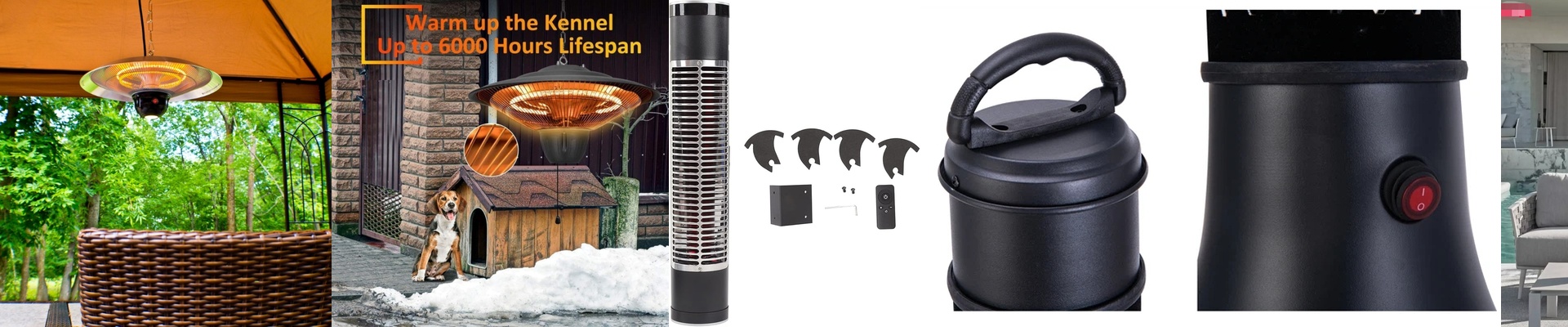
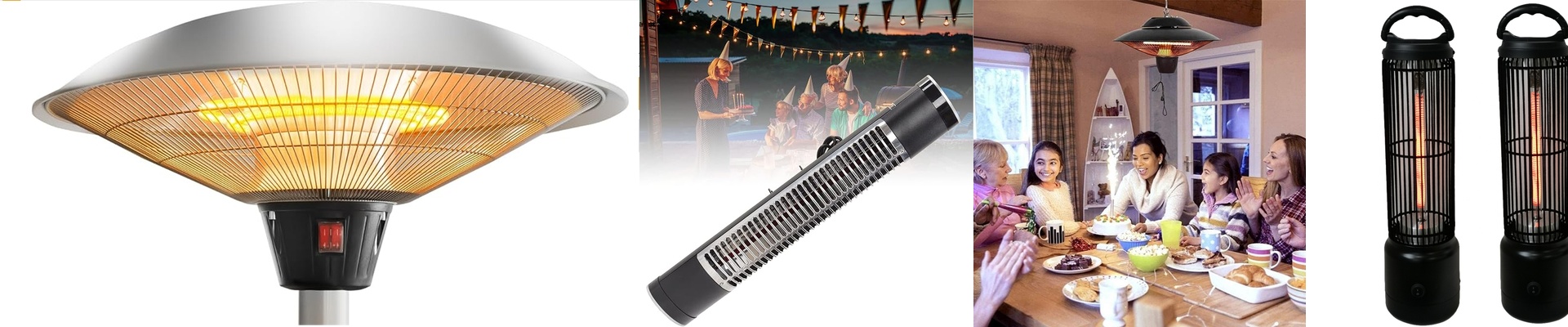
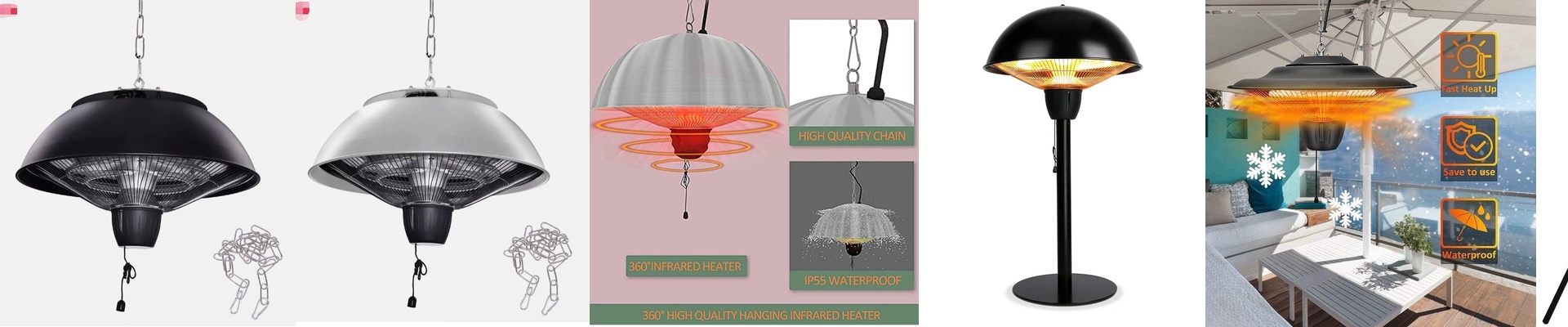
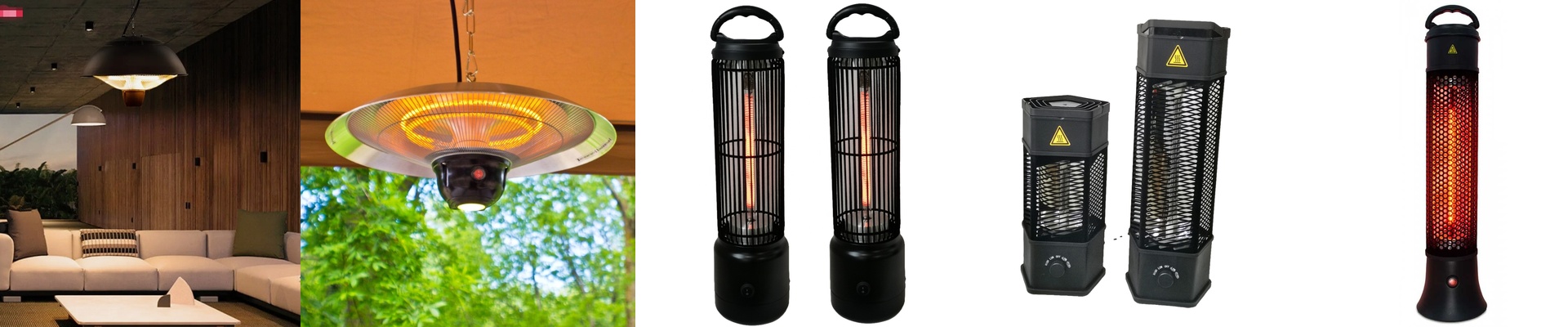
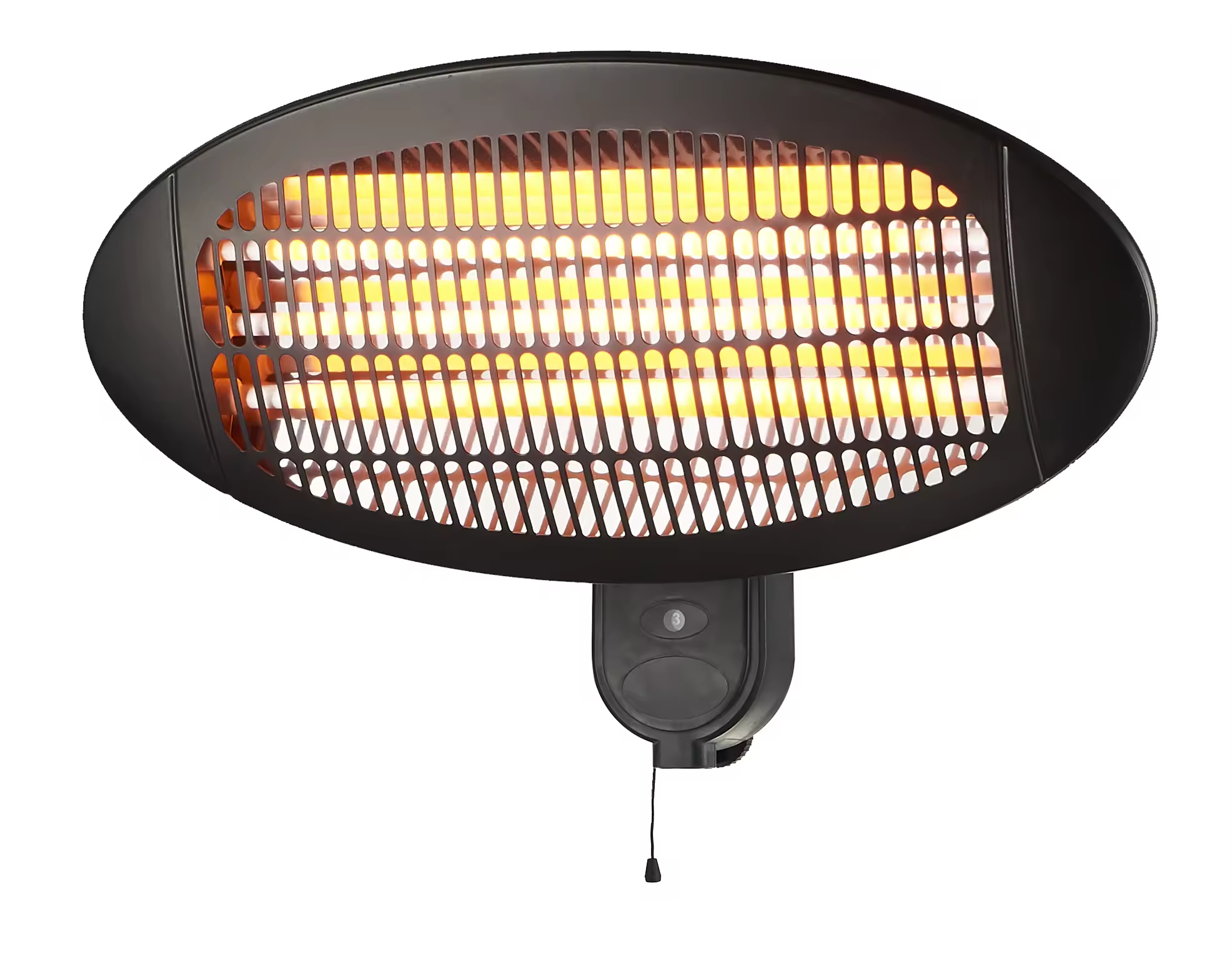
There’s a point on a cold campsite when the night finally stops fighting you—the instant your electric heater clicks on and the warmth hits. We built our camping electric heaters around that feeling: heat that comes fast, holds steady, and keeps the footprint light from the first component to the box it ships in. What matters, technically We run an infrared heating system with a carbon fiber element. The reason is straightforward: radiant heat goes straight to people and surfaces, not into thin air. In practice, you feel it within seconds of flipping the switch—no waiting around for a fan to spin up. The unit runs on 120V AC, pulls 1500W, and sits comfortably on a small table or the floor of a tent. A built-in thermostat keeps the output consistent, and tip-over protection shuts the heater off if it gets knocked over. Why this approach works Green manufacturing isn’t a slogan here; it’s how we work day to day. We source low-halogen materials and use recyclable packaging to cut out unnecessary chemicals and waste. The payoff is a heater you can run in close quarters—whether you’re in a tent, under a canopy, or on a back porch—without feeling like you’re compromising. Infrared warmth supports comfort by heating the body directly, so you can settle in, read, or share a meal without shivering. What to keep in mind Infrared heat is most effective at short range, so keep the heater within 3 to 6 feet of where you’re sitting. It’s designed for dry, sheltered outdoor areas; if you’re dealing with full exposure and moisture, check the IP rating and only use heaters rated for those conditions. And because it heats objects directly, nearby surfaces warm up too. Keep the unit clear of fabrics and other combustibles.