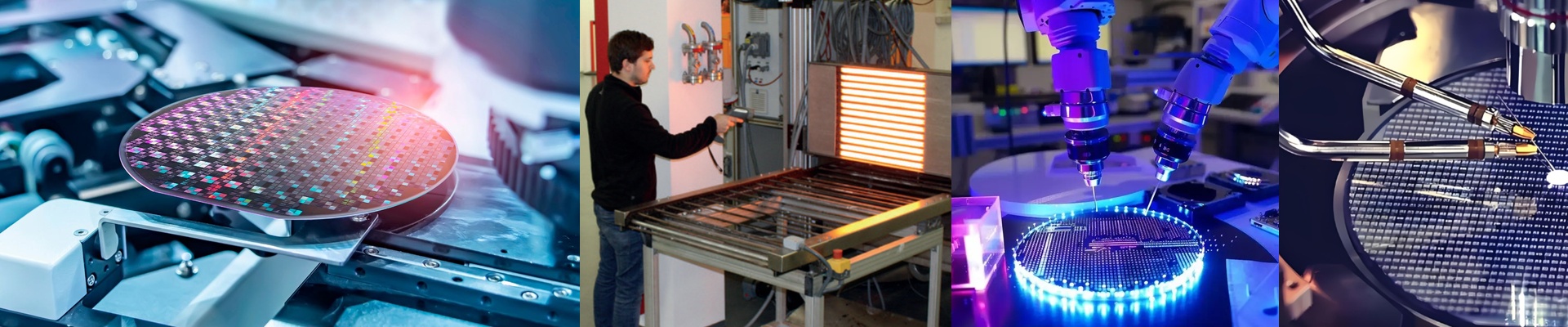
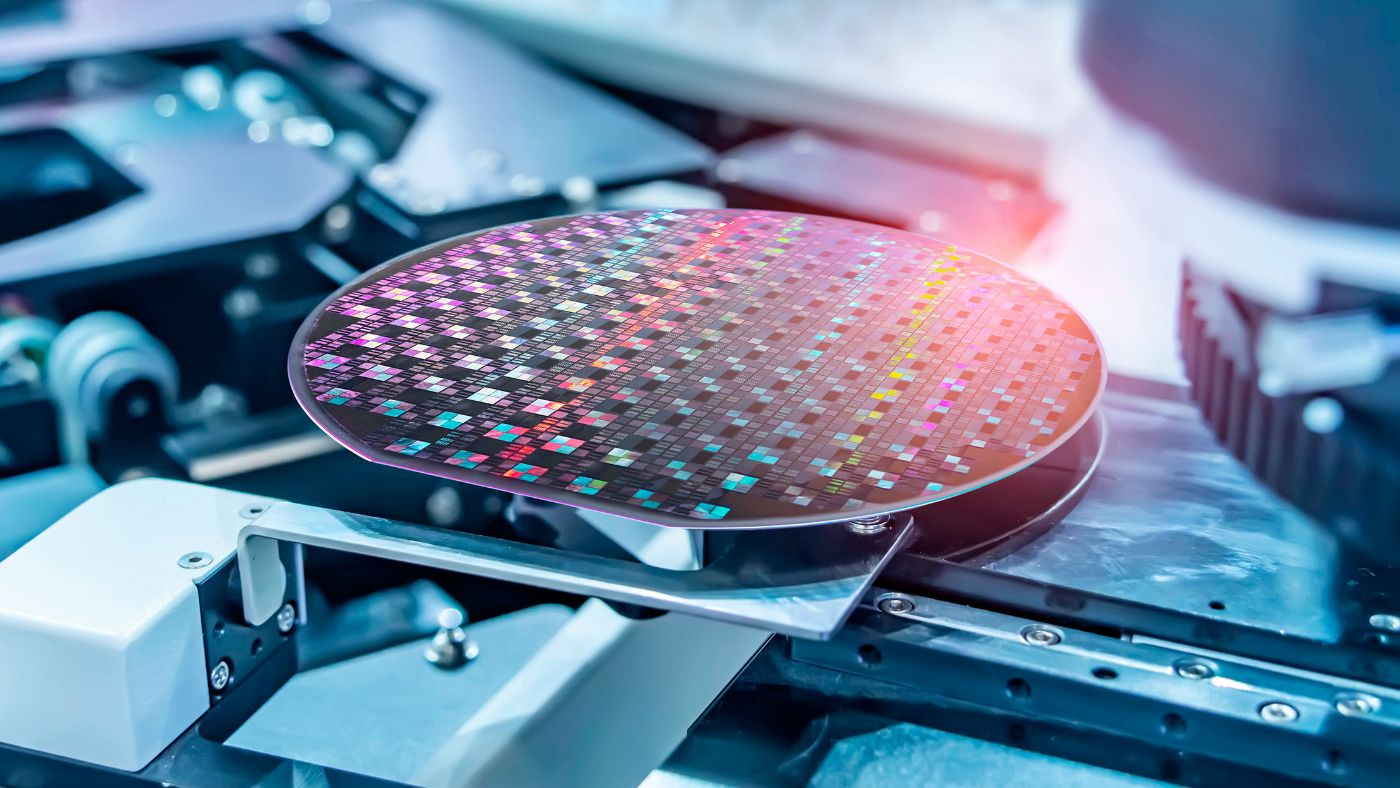
On the fab floor, a temperature excursion during photoresist processing doesn’t throw a big alarm. It just quietly eats yield—one wafer at a time. In lithography cells and packaging lines, thermal repeatability isn’t a “nice to have.” It’s the floor under the process. What matters under the hood We build our fab assembly workshop heaters around short-wave infrared (SWIR) elements with quartz windows. You get fast ramp-up and low thermal inertia. Across the active zone, wafer-level uniformity is held to ±0.1°C, and setpoint stability stays in that same band even when you’re cycling continuously. The platform fits Class 1–100 cleanrooms: sealed housings, low-outgassing materials, and internal filtration options that keep particle counts from drifting. Photoresist bake profiles—soft bake and hard bake—stay repeatable because the heater controls temperature with closed-loop calibration, not operator feel. Why this works in practice You need heat that behaves like a controlled process variable, not a guess. In wafer cleaning and drying, stable substrate temperature cuts down moisture retention and helps you avoid edge bead headaches. In lithography support, a steady bake tightens critical dimension control and trims rework. The payoff is fewer excursions, less scrap, and cycle times you can count on. Energy use comes down because the heating is fast and targeted, and the thermal coupling is efficient—without taking margin off the wafer. What to plan for on install These heaters integrate with existing fab tooling and utilities, but the interface has to match the machine: control voltage, connector type, and interlock logic. Budget cleanroom-compatible mounting hardware, and double-check clearances around the process window. Thermal performance depends on solid mechanical contact and controlled airflow. Spec voltage and footprint to the line, and the heater will behave like a disciplined thermal asset—day after day.