Stop Letting Your Heaters Kill Your MEMS Yield
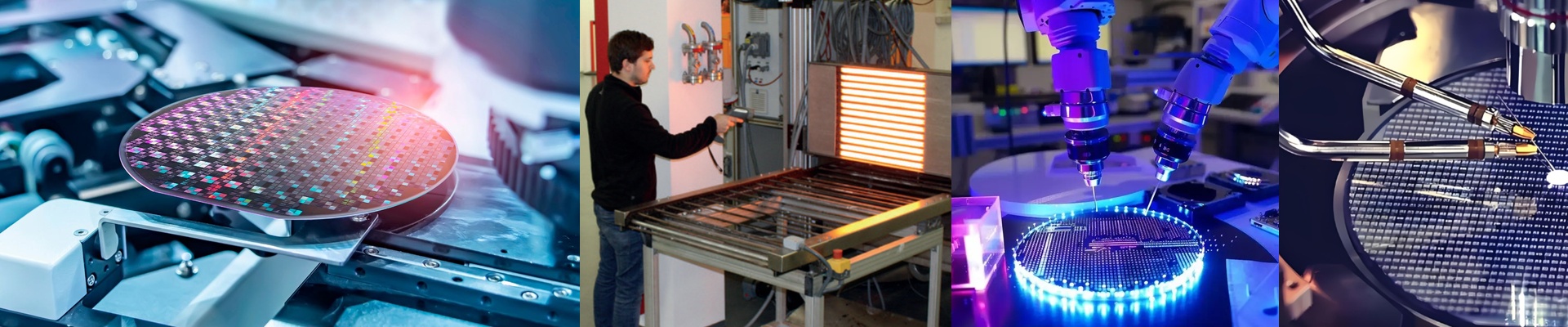
If you’re running a Class 100 cleanroom, you know the nightmare of a ruined batch. You do everything right, but then a few microscopic flakes or some random outgassing from a cheap heater lands on your MEMS sensor wafers. Just like that, your yield tanks. It’s frustrating. That’s why we switched to high-purity synthetic quartz IR lamps. Instead of relying on resistive heaters that flake or lamps that off-gas, these just use radiative heat. No physical contact. No air turbulence kicking up dust. Just clean, fast drying.
Why the quartz actually matters
We don’t use just any glass here. We use high-purity fused silica. It’s tough. It handles those brutal thermal shocks without breaking a sweat, and you don’t have to worry about metallic ions leaching into your process. The real magic is in the shortwave IR spectrum. The energy hits the liquid residue on your wafer and just blasts it away. It’s fast. Really fast. And we stripped out all the junk. No organic binders, no cheap coatings that burn off and smoke during the first few runs. You get a steady, reliable heat hit the second you flip the switch.
Fitting them into your setup
These units are lean, which is great for tight spaces. Since they pack a lot of power into a small footprint, they ramp up almost instantly. But a heads-up: that much heat in one spot is intense. You’ll want to double-check your cooling fans and heat sinks. You don’t want your surrounding electronics to bake just because your wafers are drying quickly.
Keeping it simple to keep it clean
In a Class 100 environment, “clean enough” is a recipe for disaster. We keep the build dead simple: just pure quartz and tungsten. No volatile paints. No tacky adhesives. We sealed the quartz envelope tight so the filament doesn’t oxidize, which means you won’t deal with a lamp “popping” and showering your wafers in microscopic glass shards. When you remove the heater as a source of contamination, your life gets a lot easier. Your yield stays where it should be.