
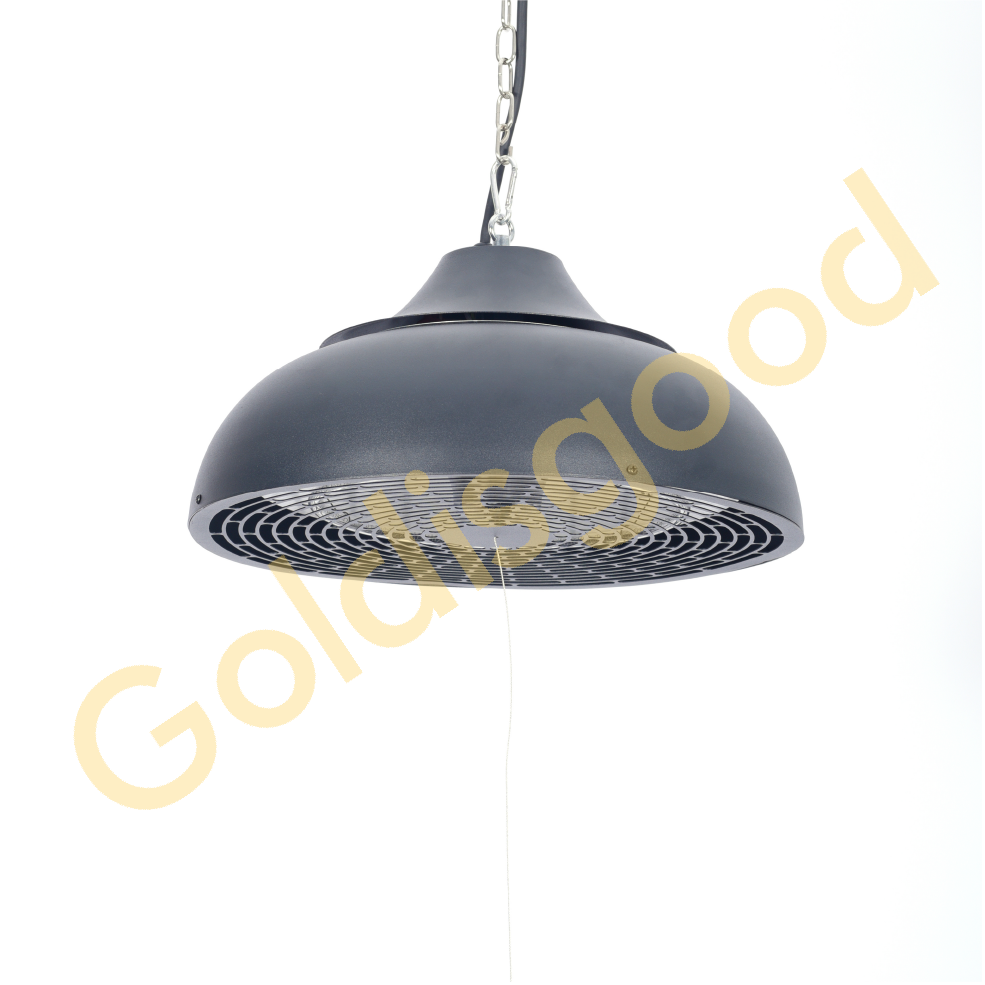
Why Your IPX4 Heaters Still Short Out (And How to Fix It)
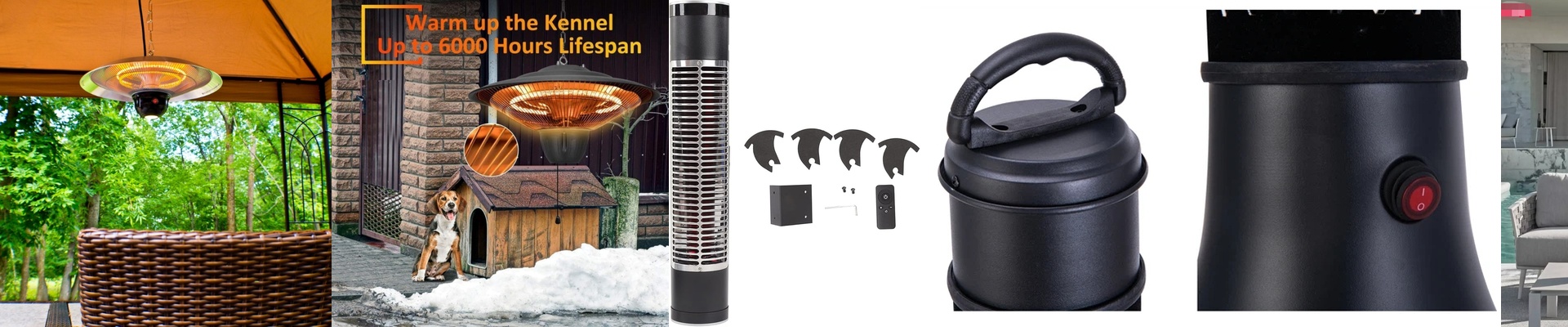
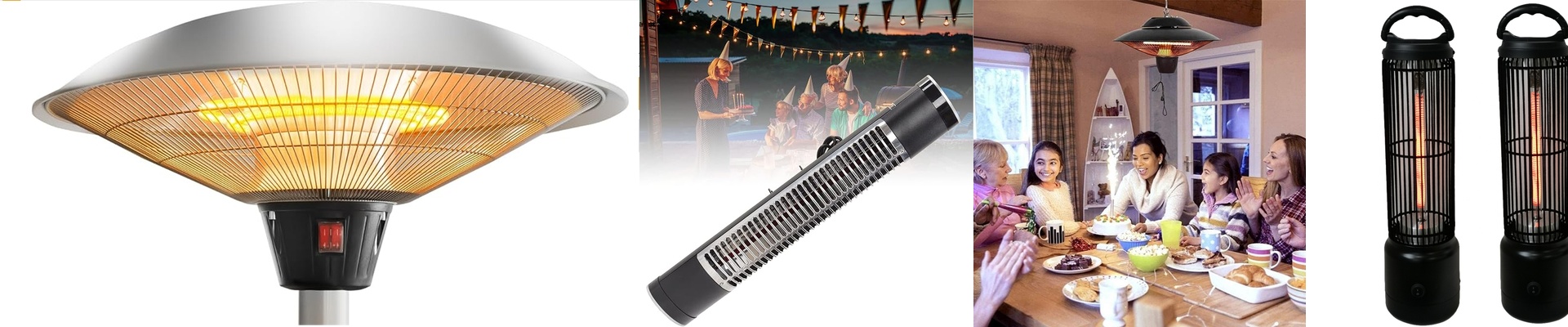
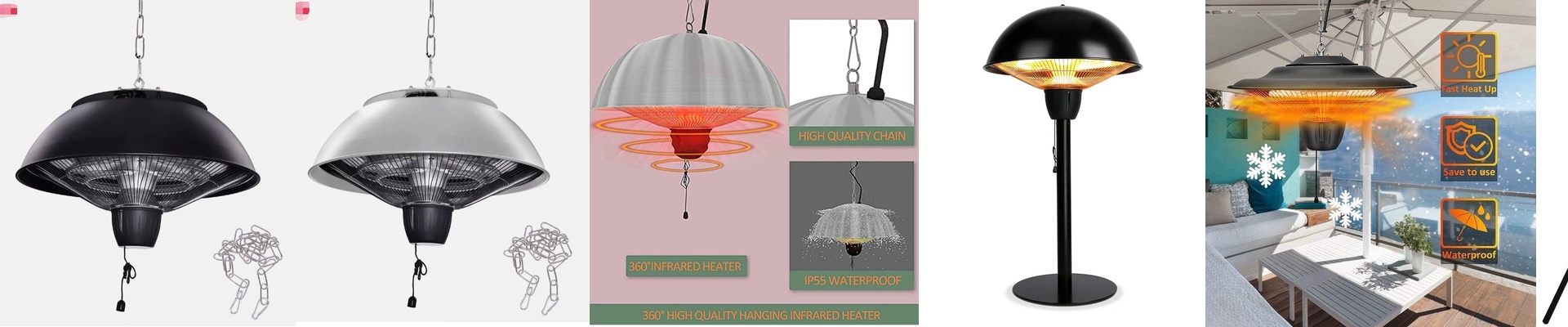
Here’s the thing about IPX4 ratings: they’re great for keeping splashes of water out, but they don’t tell the whole story. In the world of industrial infrared heating, water isn’t actually the biggest threat. The real enemy is heat migration. If the spot where the quartz tube meets the electrical wires isn’t sealed perfectly, heat starts crawling up those wires. It eats away at the insulation. Then, one day, everything just pops. You’ve got a short circuit and a dead heater.
The “Micro-Gap” Problem
Most generic heaters just slap on some basic silicone glue or a cheap gasket and call it a day. But that doesn’t work when you’re dealing with extreme temperature swings. Think about it: the heater cycles on and off. Materials expand when they’re hot and shrink when they’re cold. Because the tube and the wires don’t move at the same rate, tiny micro-gaps open up. And that’s where the trouble starts. Moisture sneaks into those gaps. Once that water hits internal temperatures of 300°C or more, it creates a conductive path or just rots the copper leads from the inside.
Doing it Right vs. Doing it Cheap
We take a different approach. Instead of just “gluing” things together, we use high-temp ceramic-composite seals and reinforced heat-shrink tubing with adhesive linings. It’s essentially a mechanical compression seal. This kills the “chimney effect”—that annoying tendency for heat to travel up the wire and bake the insulation. You can actually feel the difference if you get your hands on one. On the cheap units, you can tug the wires and feel the seal pulling away from the housing. Ours are locked in. You can give them a beating, and they won’t budge.
One Thing to Watch Out For
There is a trade-off, though. When you add a heavy-duty seal for splash-proofing, you’re adding thermal mass. This means the transition zone stays hot for a while even after you kill the power. Because of that, you can’t just pick your wire gauge based on the lamp’s current. You have to look at the maximum temperature inside the enclosure. If you go too thin on the wire, it doesn’t matter how good the seal is—the wire will just fry a few inches down the line.