
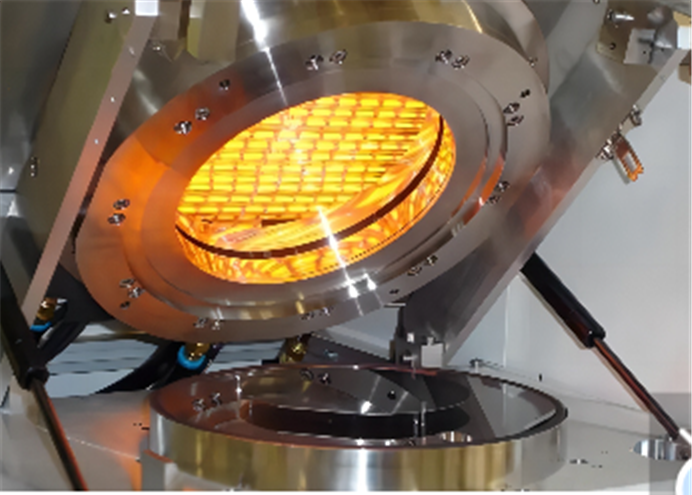
Precision IR Heating Lamps: The Safety You Can Feel
When you’re running wafer processing equipment, electrical reliability isn’t a “nice-to-have.” It’s the whole game. That’s why we put every single one of our precision infrared heating lamps through full dielectric strength and insulation resistance testing before it even leaves the line. No shortcuts. No sampling. Just complete, one-by-one verification that the lamp can handle the electrical safety your equipment demands.
Power, Voltage, and Size—Built for the Real World
These lamps aren’t designed for a lab bench. They’re built for industrial control, day in and day out. Here’s the setup: a 400V high-voltage design, paired with 2500W of output, all packed into a compact 300mm quartz envelope. That gives you serious heat density in a small footprint, so you can put the thermal energy exactly where your process needs it. But high voltage also means more stress on insulation and connections. That’s exactly why we test every unit—no exceptions. You get a lamp that’s been proven to hold up against the voltage margins your equipment expects.
Materials and Design: The Details That Keep It Working
Inside, the lamp runs on a halogen cycle within a quartz tube. That keeps the output stable over time, so you don’t get drift during long runs. Quartz also handles rapid heating and cooling better than many ceramics—important when the lamp is turning on and off again and again. And the terminations? They’re chosen for the realities of mounting in the field. We offer proven options like R7s and SK15 because they lock in securely and keep contact aligned. On the machine, loose contacts cause arcing—and arcing leads to failures. We design to avoid that.
Reliability When the Pressure Is On
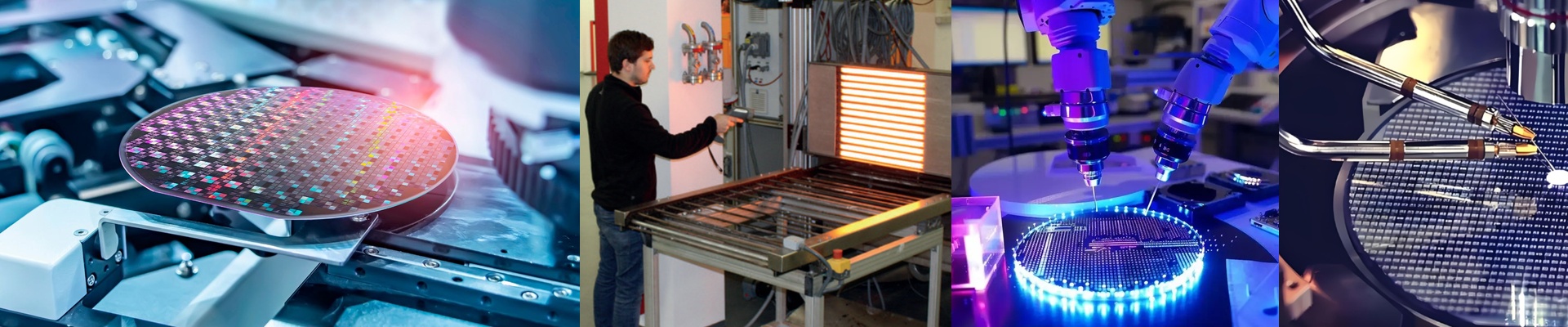
In wafer processing, the lamp is part of the tool’s thermal backbone. It has to fire up every time, hold the setpoint, and survive thousands of cycles. By testing every lamp for dielectric strength and insulation resistance, we cut down on field failures that come from weak insulation or contamination at the termination. There’s a trade-off, though. Running 2500W at 400V means you need a power supply that’s properly rated—and a cooling plan that can handle the heat. But if your system is built for it, you get a dependable, drop-in heat source that keeps uptime steady, even in a harsh fab environment.