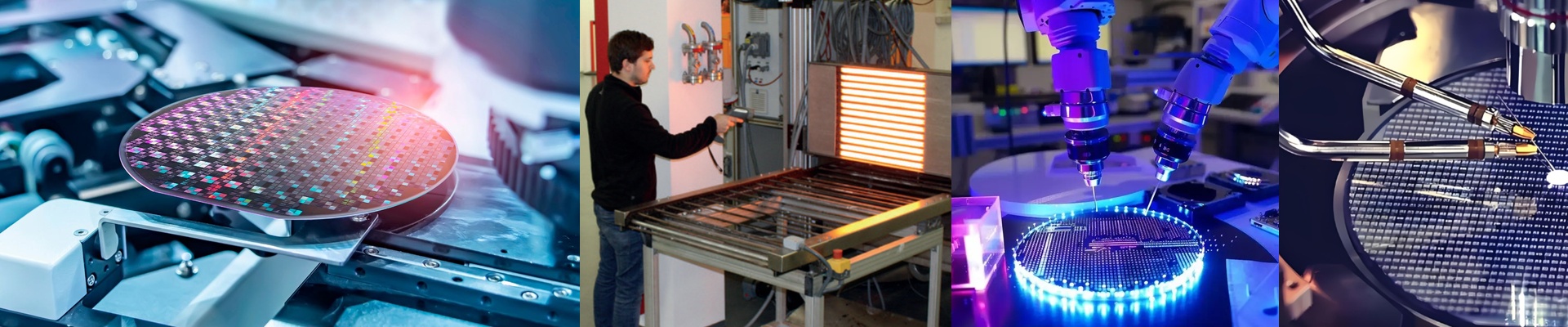
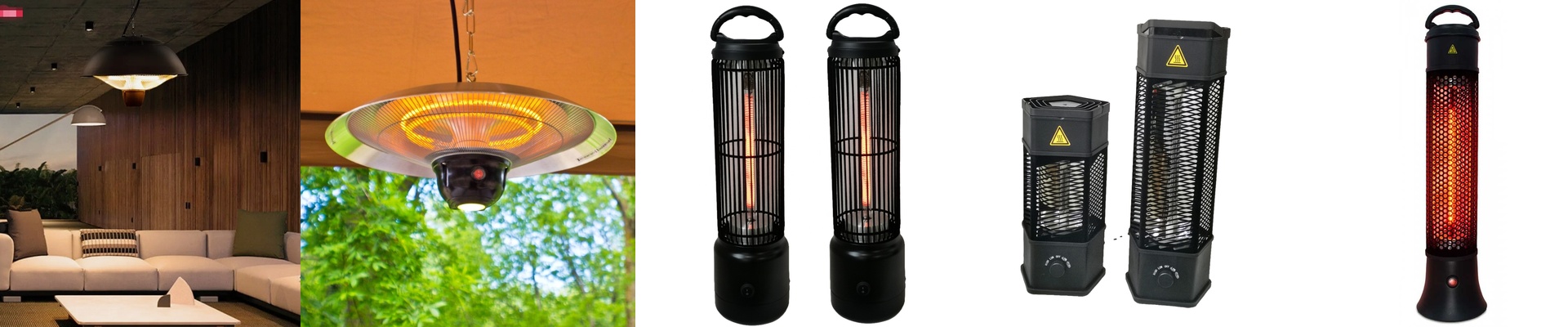
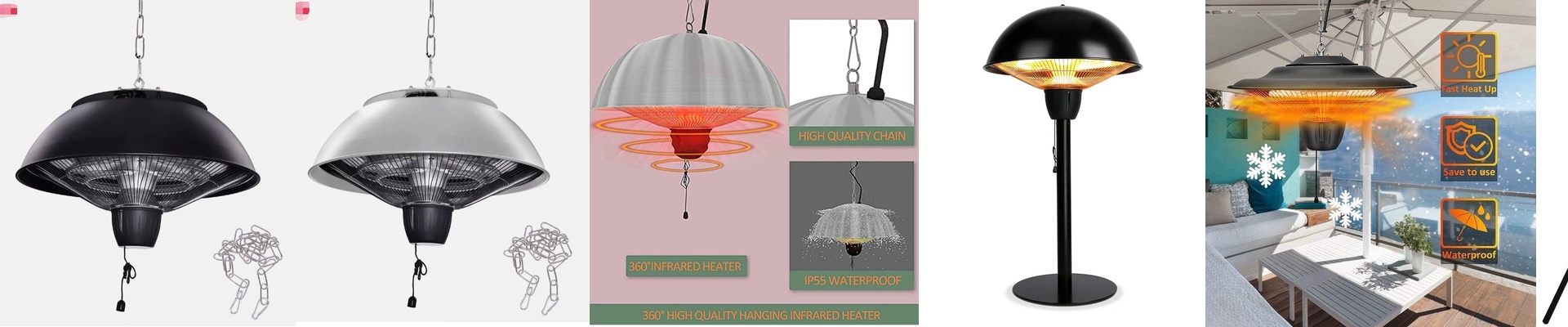
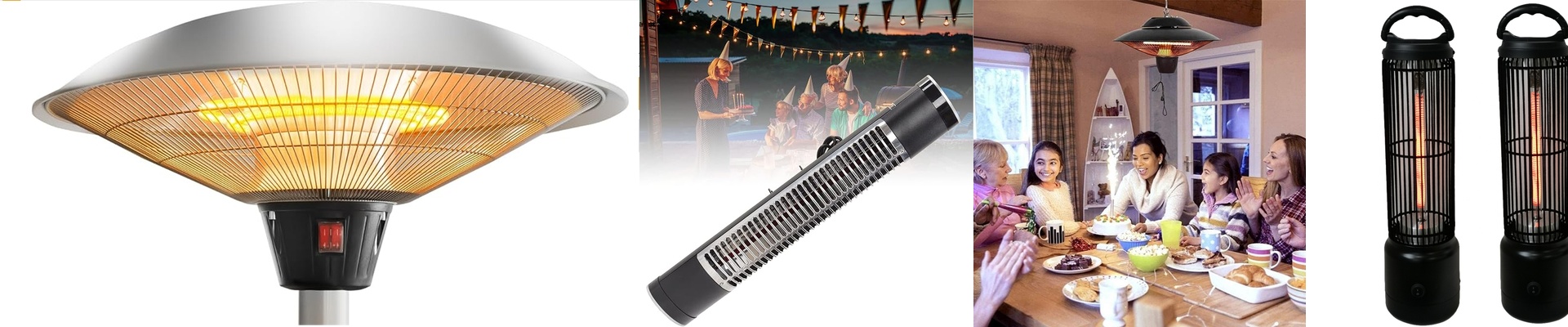
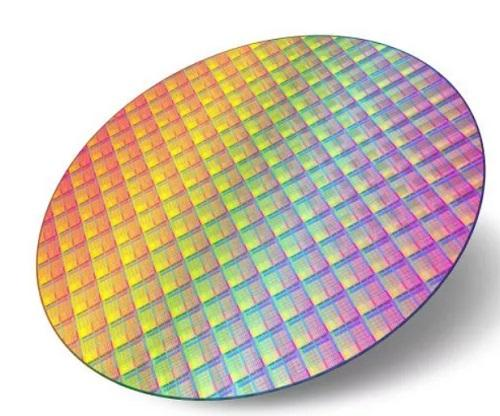
On the fab floor, a half-degree drift in bake temperature is enough to scrap a full lot. You watch the photoresist profile shift, see critical dimension bias show up at metrology, and the yield hit lands right on your shift report. Traditional ovens and single-zone hot plates force you to choose between thermal budget and throughput. We built zoned heating to stop living with that trade-off. What matters, technically Each zone uses independently controlled halogen lamps with short-wave NIR response, so the wafer hits setpoint fast without cooking the chamber. Across the full process window, wafer-level uniformity stays within ±0.1°C, which is what you need for repeatable soft bake and hard bake across lithography stacks. The hardware is built for cleanroom life: Class 1–100 compatible, verified zero particle generation via in-situ monitoring, and engineered around zero unplanned downtime. Run-to-run temperature control stays tight, so qualification cycles stay short and your process window stays wide. Why this works on the line Zoned control lets you correct hot and cold spots in real time, so every wafer gets the same thermal history—even across multi-zone hot plates and cluster tools. The payoff is tighter CD control, fewer reworks, and photoresist performance that holds steady lot after lot. You also save energy because each zone only pulls what it needs, and changeovers move faster since you aren’t waiting for the whole block to re-stabilize. The line keeps moving instead of chasing temperature excursions. What you need to plan for Zoned heating is tool-aware, but integration still comes down to the platform and how your recipes are structured. Plan on a short commissioning window to dial in lamp power, sensor mapping, and interlocks to match your existing equipment. There’s a modest footprint increase compared with single-zone heaters. The trade is thermal control you can qualify once and trust shift after shift.