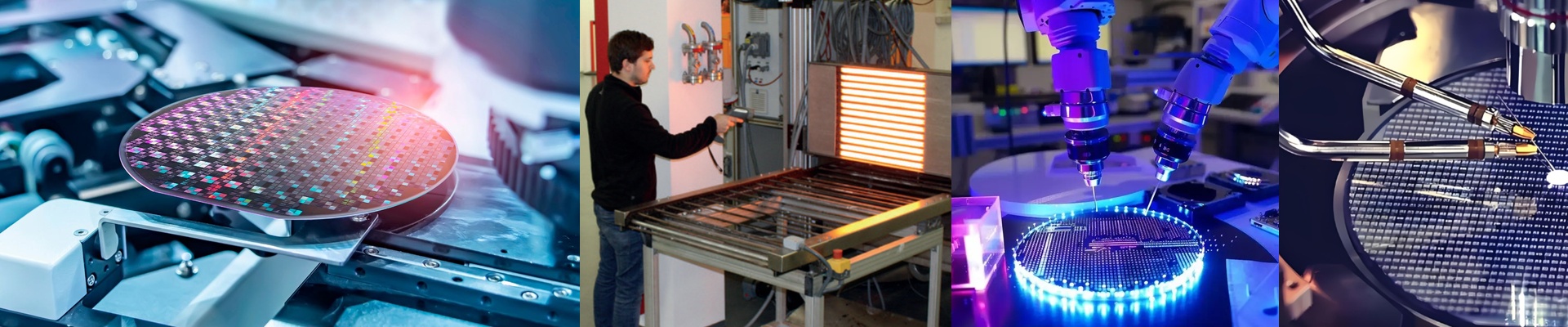



Getting Your Thermal Game Right for the Smart Fab
If you’re trying to move toward an Industry 4.0 setup, you’ve probably realized that automation is only half the battle. The real headache? Thermal energy. When it comes to heating wafers, we’ve leaned into high-density infrared (IR) systems. Why? Because they don’t care about the air around them. They just push heat exactly where it needs to go. It’s the kind of precision you actually need when your production line is running on digital rails.
The Problem with the “Old Way”
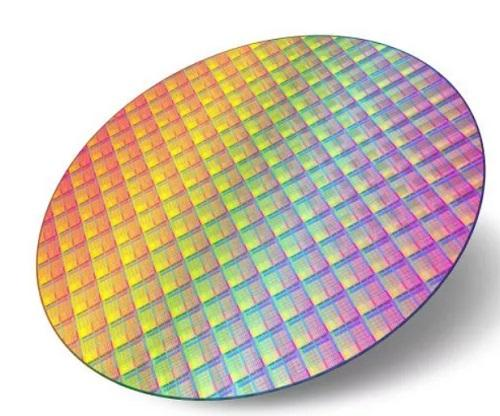
Here’s the thing about conventional resistive heaters: they’re slow. They have this annoying thermal lag that can mess with your timing. IR is different. It uses radiation, so the energy hits the wafer surfaceinstantly. When you hook that up to a data-driven workflow, you can tweak the power in real-time based on what your sensors are telling you. No more guessing. No more wasted energy. And most importantly, you stop those dreaded overheating spikes during ramp-up.
Fitting it All In
Digitization means we have to track every single watt. Our IR systems are built to be compact. You can cram more heating zones into a smaller chamber without feeling like you’re fighting for space. We also tune the wavelengths specifically so the wafer absorbs the energy, rather than the quartz or metal housing just soaking it up for no reason. But a word of warning: keep an eye on your power draw. High-wattage IR arrays are hungry. If you’re pushing for max throughput, make sure your power supplies can handle the peak current. If they can’t, you’ll get voltage drops, and suddenly your temperature uniformity is out the window.
Making it Work in the Real World
Once you wire these into a PLC environment, you can basically set your thermal profiles and let them run. It’s a great drop-in replacement for old elements, and it seriously cuts down on those long, boring warm-up cycles. Just remember that IR lamps don’t last forever. They have a shelf life. The smartest move is to track your lamp hours in your maintenance software. Replace them before they pop. It’s a lot cheaper to swap a lamp on a Tuesday than it is to explain a failed batch to your boss on a Friday.