Why we use IR curing for semiconductor trolleys
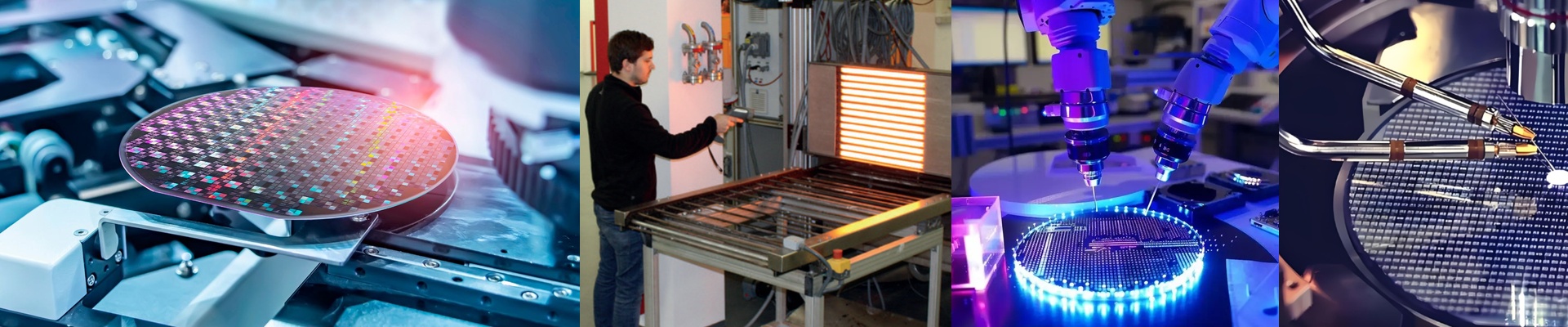
When it comes to heating semiconductor trolleys, we stick with infrared (IR). Why? Because the old way—using convection ovens—is a headache. Those ovens can leak particulates or force you to use nasty chemical catalysts and VOCs just to get the curing temperature down. IR just skips all that. Instead of heating the air, it sends energy straight into the material. It’s a different kind of heat. Think of it like standing in the sun on a cold day. You don’t feel the air getting warmer; you feel the heat hitting your skin. In a cleanroom trolley, short-wave IR dives deep into the coating or adhesive. This kicks off a reaction that cures the material from the inside out. Since we aren’t trying to heat the entire room, we save a ton of power. Usually, we’re talking about 30% to 50% less energy than those forced-air systems. It’s a win for the planet and the power bill. Keeping things pure If you’re working with lead-free soldering, you know it’s a pain. You need higher temperature peaks and a very specific thermal profile. IR lamps are perfect here because they hit those temperatures in seconds. There’s no combustion, no soot, and no carbon emissions to mess up your wafers. We even wrap the lamps in high-purity quartz so you don’t have to worry about outgassing. The catch (because there’s always one) IR is great, but it has a quirk: it only works in a straight line. If your trolley load has weird shapes or uneven geometry, you’re going to get cold spots. It’s why we spend so much time obsessing over the reflector angles—we have to make sure the heat actually reaches every single corner of the tray. Plus, since the heat is so intense, you can’t just slap these on any frame. We have to build in solid thermal isolation. If you don’t, you risk warping the chassis or—even worse—tripping the cleanroom’s ambient temperature alarms and waking up everyone in the building.