Why Most Infrared Heaters Die Young (and How We Fixed It)
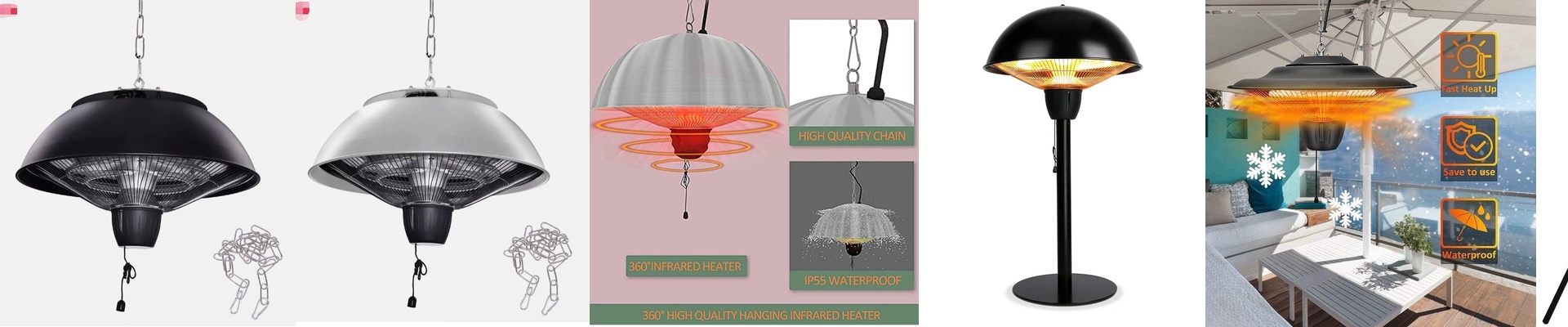
Water and mist are basically poison for infrared heaters. Think about it: you’ve got a quartz tube glowing hot, and suddenly a spray of water or a thick cloud of steam hits it. That sudden temperature drop causes “thermal shock.” It’s like pouring ice water into a hot pan—something’s going to crack. Or worse, moisture creeps into the electrical terminals and you’ve got a short circuit on your hands. We got tired of seeing heaters burn out way too early, so we built our latest line to handle the mess. We went with an IPX5 rating to stop these failures before they even start. What does IPX5 actually mean for you? In plain English, it means you can hit this thing with low-pressure water jets from any angle and it won’t blink. We didn’t just throw a cover on it; we used heavy-duty gaskets and sealed the housing tight. But it’s not just about the big splashes. It’s the humidity that kills. In a steamy plant, moisture just… settles. It clings to the heating element. To fight that, we added anti-fogging coatings and specialized seals to keep the guts of the machine bone-dry. No water on the tube means no cracking. Simple as that. The balancing act Here’s the tricky part: when you seal something up tight to keep water out, you risk trapping heat inside. It’s a bit of a tug-of-war. We spent a lot of time tweaking the airflow and picking the right housing materials. The goal was to make sure the electronics stay cool while the heating element stays protected. The result? A heater that can take a beating in a wet environment without the usual voltage drops or filaments snapping after a few weeks. The trade-off I’ll be honest with you—there is a catch. Because of those IPX5 seals, the unit is a bit heavier. It’s also not as “plug-and-play” to service as a cheap, open-frame heater. You can’t just pop the cover off on a whim without risking the seal. But honestly? It’s a fair trade. If you’re installing these in a wash-down area or a humid factory, you have two choices: spend a little more time on the initial setup, or spend your weekends replacing lamps every few months. I know which one I’d pick.