
Why we put our bathroom heaters through a “humidity torture test”
Putting a high-voltage heater in a bathroom is, frankly, a bit nerve-wracking. You’ve got steam everywhere and water splashing all over the place. Now, you’ll see “IP66” on the box. That’s the industry standard. It basically means the housing keeps out dust and can handle a decent blast of water. But here’s the thing: an IP rating is just a snapshot in time. It doesn’t tell you what happens after two years of use.
The problem with “breathing”
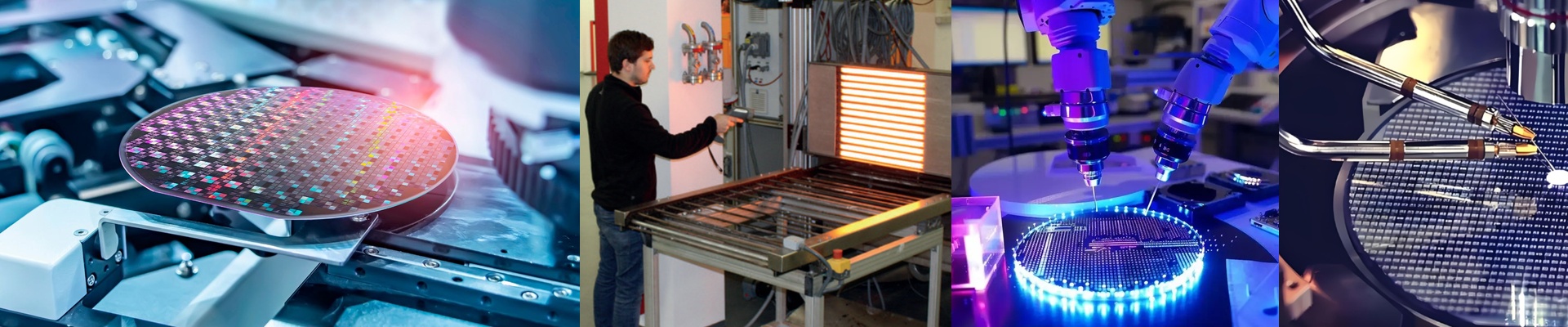
We don’t just trust the certificate. We put every batch of heaters through a damp-heat aging test. Why? Because humidity is the natural enemy of electronics. Think about your bathroom. One minute it’s freezing, the next it’s a sauna. That constant swing between hot and cold makes the heater “breathe.” It literally sucks moist air into the chassis through tiny, invisible gaps in the seals. If that moisture gets to the electrical terminals, you’ve got a problem. It starts with oxidation. Then, it leads to a short circuit. We use a controlled chamber to simulate years of this cycle in a few days. We want to see exactly where the seals crack or where the coating starts to peelbeforeit ever reaches your home.
Fixing the weak spots
Most of the time, the trouble starts at the cable entry or the lens gasket. To stop this, we use high-grade silicone and polymers that don’t warp when things get hot. If a unit fails our test, we go back to the drawing board and redesign the gasket footprint. We look for “creep”—that annoying tendency for a seal to slowly shift over time. We make sure that IP66 protection actually lasts for the life of the product, not just the first week.
The balancing act
There is a catch, though. If you seal a unit too tightly, you’ve basically built an oven. The heat gets trapped inside and can fry the wiring. It’s a tricky balance. We spend a lot of time figuring out the right mix of airtight seals and smart venting or heat-sink surfaces. That way, the water stays out, but the internal components can actually breathe. You get a heater that’s waterproof, but doesn’t cook itself from the inside out.