Stop Losing Money Every Time the Temperature Drops
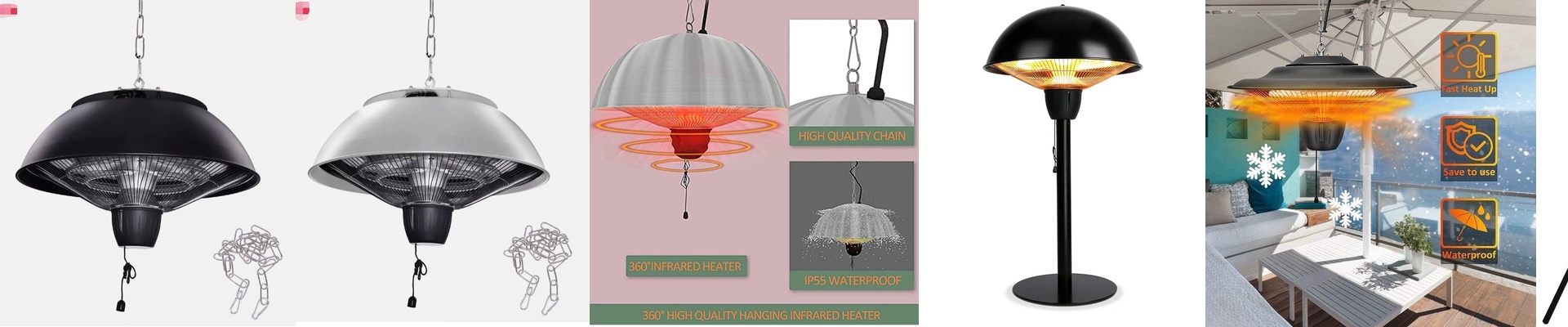
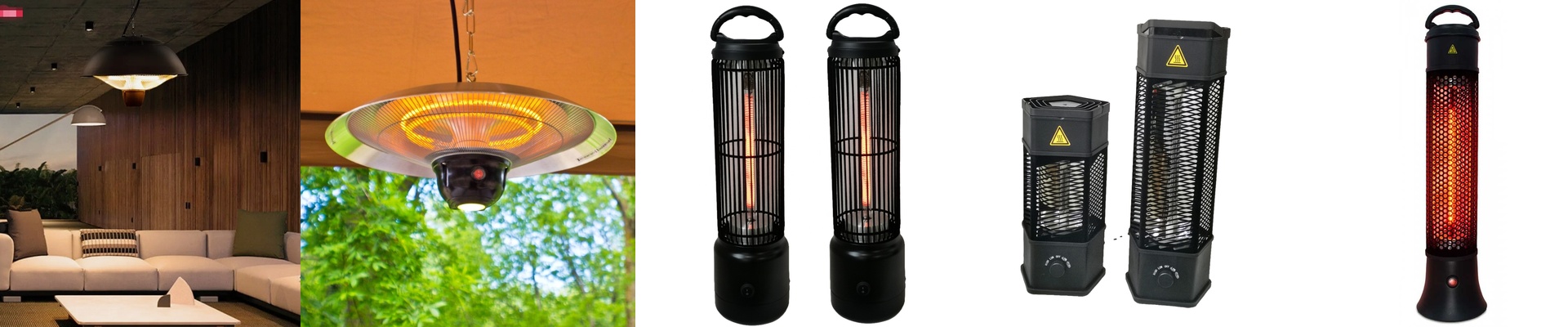
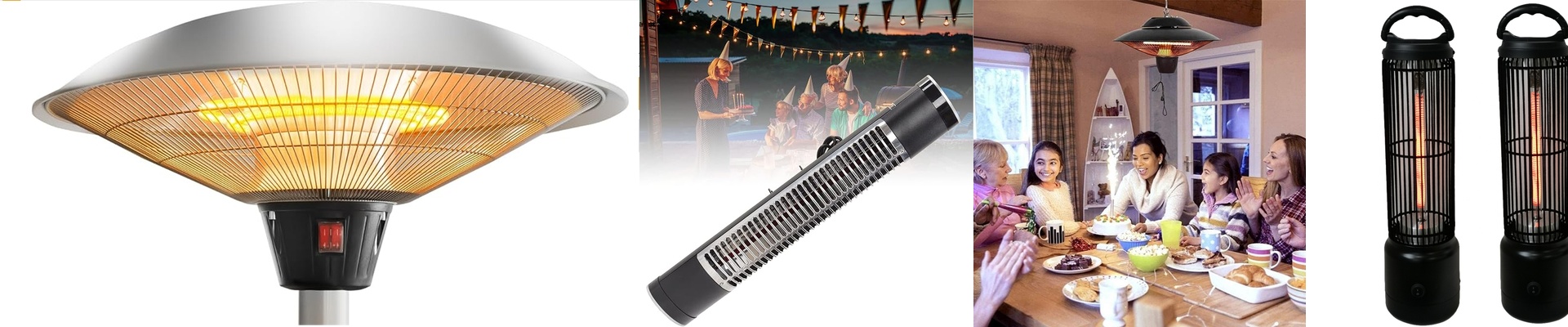
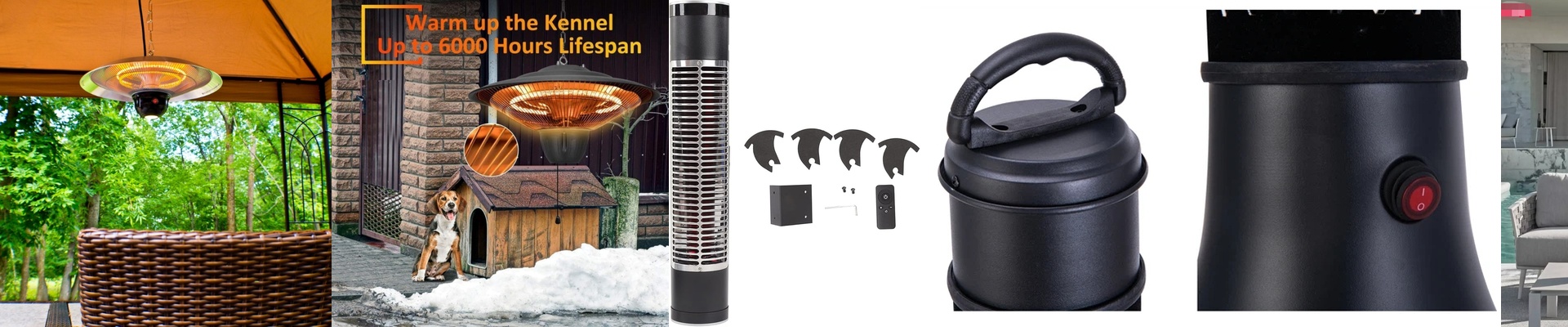
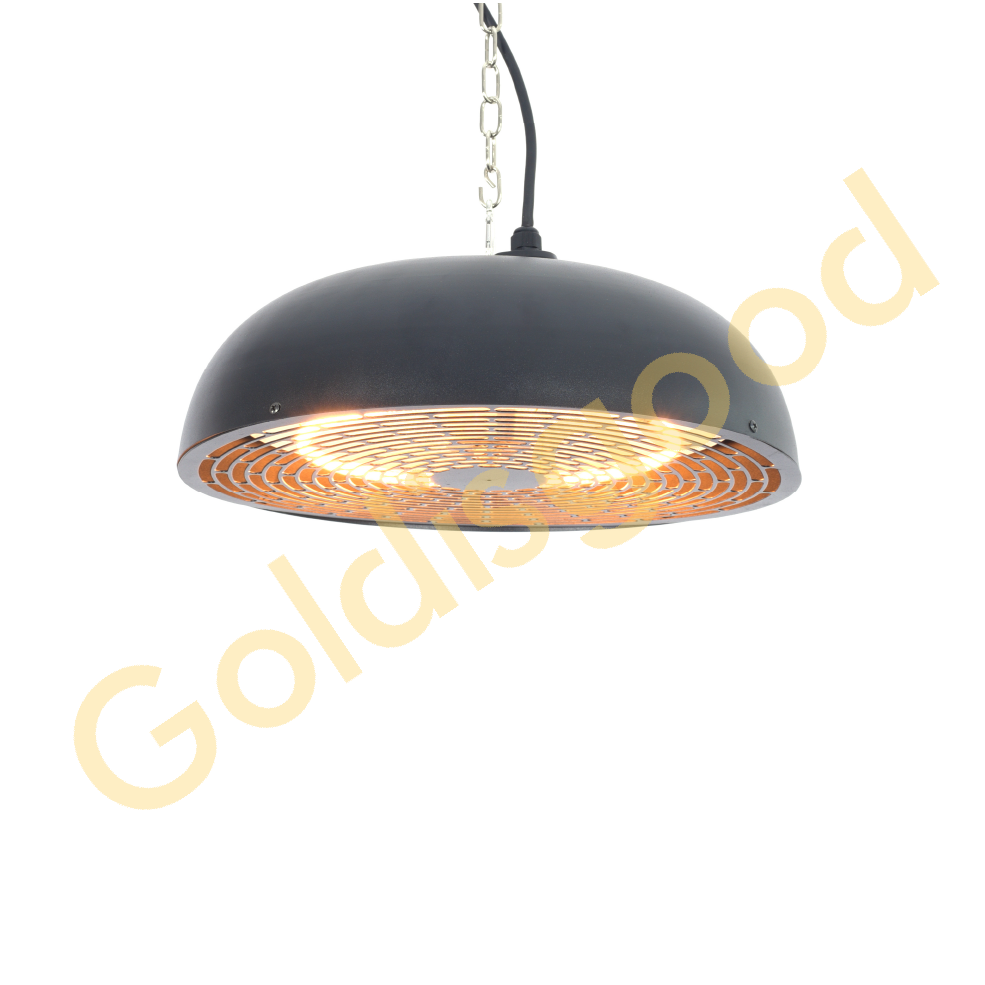
Let’s be honest: outdoor patios are a nightmare the second it gets chilly. You’ve probably tried those big forced-air heaters, but they’re kind of a joke in the open air. The heat just… drifts away. You’re paying for electricity, but your guests are still shivering. That’s why we use shortwave infrared. Instead of trying to warm up the air (which the wind just blows away), infrared goes straight for the target. It hits your customers directly. It doesn’t matter if there’s a breeze; they feel the warmth the second they sit down. Getting the most out of your space If you want more people in those seats, you need a concentrated “warm zone.” By mounting these heaters on the ceiling, you get that heat exactly where it belongs—right on the guests. Plus, you get your floor back. No more bulky, trip-hazard heaters taking up room where a table could be. More floor space equals more covers. Simple as that. The best part? It’s instant. No waiting around for the area to “warm up.” People feel cozy immediately, which means they stay longer, order that extra round of drinks, and keep your tables turning during the winter rush. The nitty-gritty (and a few warnings) Before you go all-in, a heads-up on the electrical side. These units pull a lot of power. If you try to cram them all onto one circuit, you’re going to trip a breaker right in the middle of a Friday night rush. Not a great look. Make sure your electrical panel can actually handle the load before you start drilling holes. And about the light. Shortwave emitters are the heavy hitters—they provide the most intense heat—but they can be a bit bright. Nobody wants a heat lamp beaming directly into their eyes while they’re trying to eat. We usually fix this by angling the fixtures or using shades so the warmth stays, but the glare goes away. Does it actually pay off? The math is pretty easy here. If these heaters keep your terrace open through December and January, the system usually pays for itself in a few weeks. You aren’t just buying some hardware; you’re basically reclaiming square footage that would otherwise be dead space for half the year.