Why Your Old Bathroom Heater is Probably a Death Trap (and What to Use Instead)
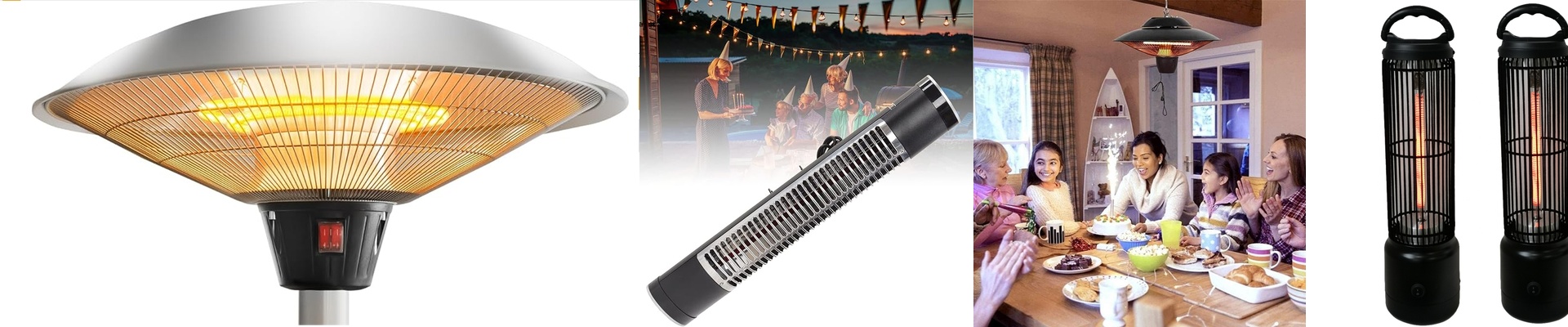
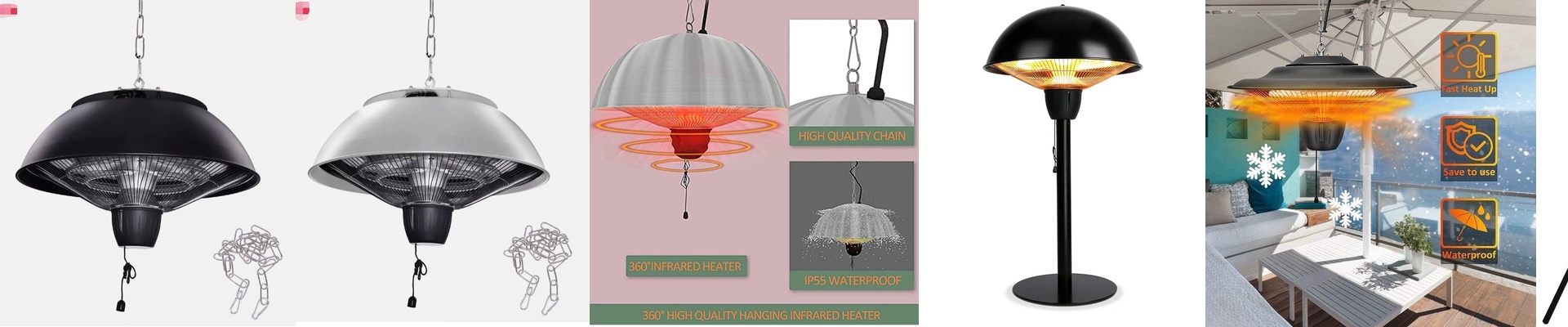
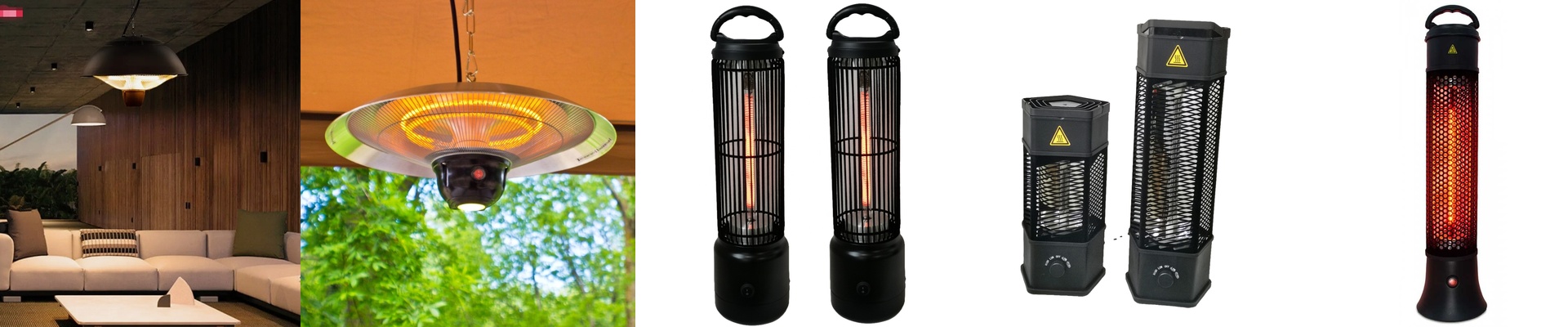
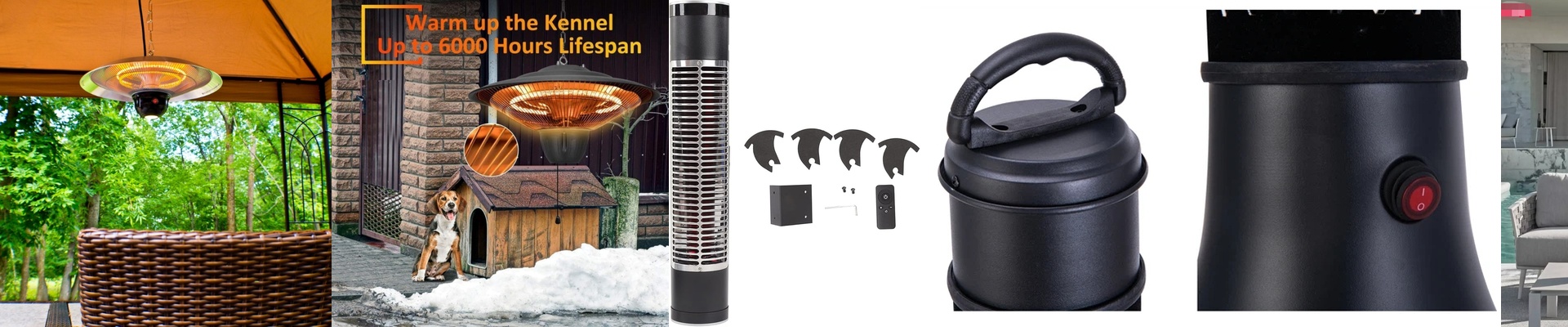
Let’s be honest: most of those old-school bathroom “lamp heaters” are pretty flimsy. They usually just use a basic quartz tube with almost zero protection. Here is the problem. Bathrooms are basically steam rooms. All that moisture creeps into the housing, eats away at the contacts, and eventually fries the circuitry. It’s only a matter of time before they just stop working. That’s why people are switching to high-IP waterproof infrared heaters. They’re actually built for the chaos of a steamy shower. The deal with those “IP ratings” If you’ve seen “IP” on a box, it’s basically just a fancy way of saying “how well does this keep water out?” Cheap heaters have gaps. High-IP units use silicone gaskets and sealed glass-to-metal joints to lock the electrical guts away from the vapor. It’s the difference between a heater that lasts for years and one that shorts out during your first hot shower of the winter. Nobody wants to deal with oxidized wiring or sketchy electrical leaks when they’re standing in a puddle of water. Instant heat vs. waiting around Most heaters try to warm up the air. But in a bathroom, the air moves fast and cools down even faster. You’re basically fighting a losing battle. Infrared is different. Instead of heating the air, it sends out waves that hit your skin and the walls directly. You feel it the second you flip the switch. No more shivering while you wait for the room to warm up. Plus, because it’s so efficient, it doesn’t put as much strain on your power bill. A few things to watch out for Now, you can’t just shove these into any ceiling and call it a day. Because infrared heat is so concentrated, you need to give the unit some breathing room. If you mount it too close to the ceiling or cram it against flammable materials, you might end up scorching your paint or warping the trim. Before you start wiring, double-check the heat dissipation specs. And do your breaker a favor—make sure it can handle the initial surge these high-wattage elements kick out when they first jump to life.