Getting Heating Right in a Class 100 Cleanroom
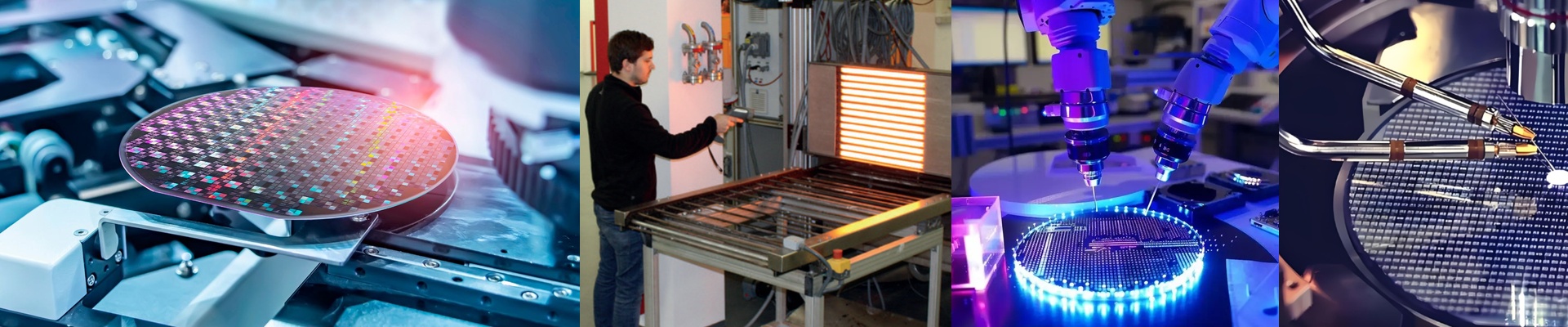
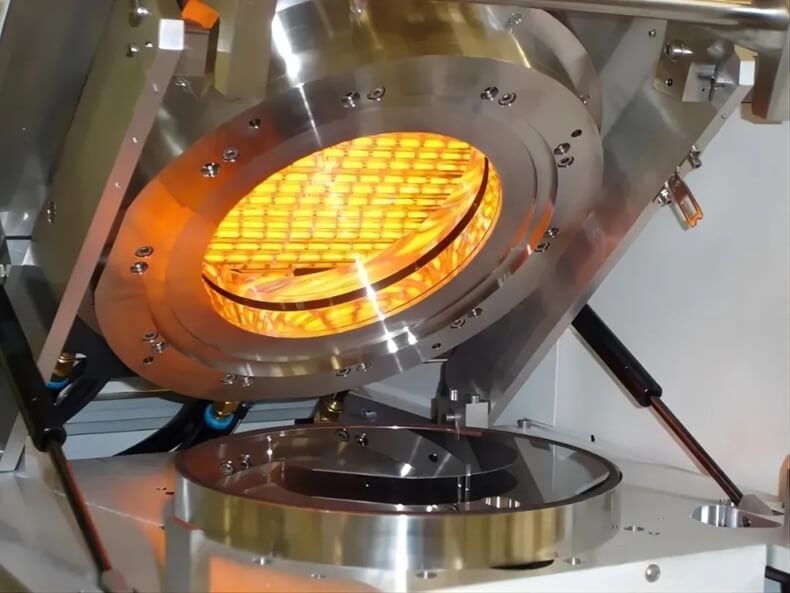
When you’re working in a Class 100 environment, the actual temperature is almost a side note. The real nightmare? What your heater is dumping into the air. Most standard heating elements aren’t built for this. They outgas or shed tiny flakes of debris as they heat up and cool down. If you’re working with wafers or optical coatings, one stray particle is enough to scrap the whole batch. It’s frustrating, and it’s expensive. To stop that from happening, we stick to high-purity synthetic quartz and carbon fiber filaments. Why we use quartz We lean on high-purity quartz tubes because they just don’t flake or break down when things get hot. Metal sheaths can be temperamental, but quartz stays chemically quiet. We seal the carbon fiber element inside a vacuum-tight envelope. This keeps the filament locked away so nothing can migrate into your production zone. You get a clean, radiating heat—no floating contaminants, no surprises. The trade-off: Heat density Here’s the thing about carbon fiber lamps: they ramp up incredibly fast. That’s great for your timeline, but the heat is very concentrated. If you’re pushing high wattage, you can’t just let that heat sit there. You’ll need a solid heat sink or some active airflow. Otherwise, the “heat soak” can actually warp your precision mounts. Before you flip the switch, double-check your mounting brackets. You want to make sure they can handle the thermal expansion, or you’ll end up with a misalignment headache during your peak cycles. Getting them installed We made these lamps as drop-in replacements for existing infrared arrays. We kept the footprints standard because nobody wants to spend their weekend re-machining jigs. But a quick warning on the install:be obsessive about cleanliness. Use lint-free wipes and isopropyl alcohol. If you leave a single fingerprint on that quartz, it’ll burn right into the glass during the first cycle. That creates a “hot spot” which kills the lamp’s lifespan. Lastly, make sure your power supply is stable. Voltage spikes are the enemy here. A steady current keeps the filament from pulsing, which means your thermal profile stays consistent across the whole workpiece and your gear lasts way longer.