Why We Use Quartz Shields for Fab Lamps
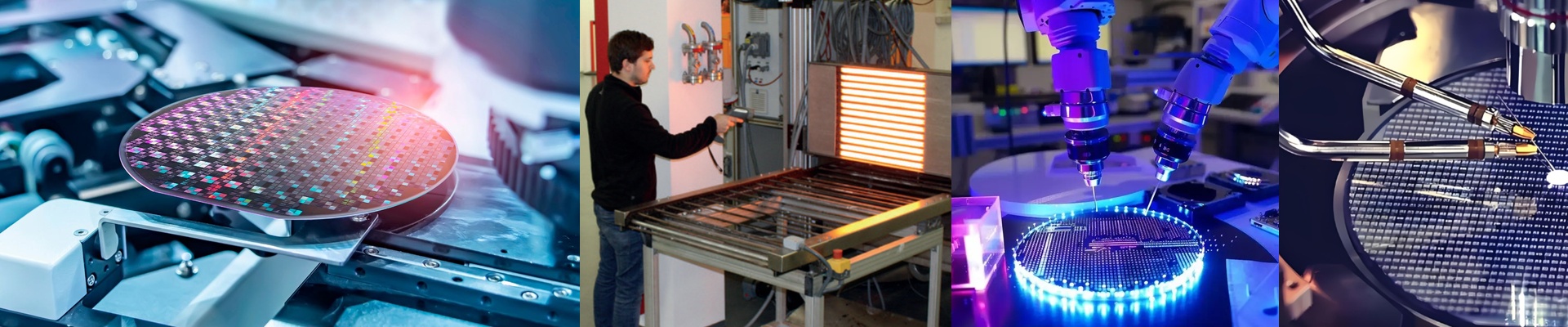
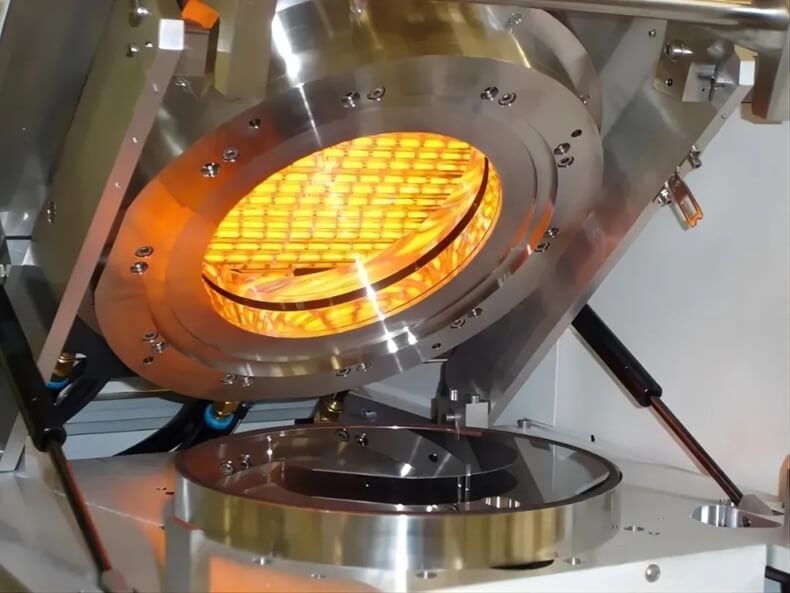
If you’re working in semiconductor fab, you know IR curing is the way to go. It’s clean, it’s eco-friendly, and it gets the job done by beaming energy straight into the substrate. But there’s a catch: you can’t just leave your lamps naked in a cleanroom. That’s where quartz shields come in. It’s all about the heat. These shields aren’t just there for show. We use high-purity fused quartz because it lets short-wave infrared radiation slide right through without getting stuck. If you tried to use regular glass, it would soak up all that heat, get stressed, and eventually just shatter. Quartz can take the hit. When that lamp kicks on, the temperature jumps instantly. The quartz handles that shock while keeping the lamp filament safe and sound, away from the chaos of the process environment. Keeping things clean (and alive) Here is the real headache: contamination. In a fab, you’ve got outgassing and chemical splatter flying around. If even a tiny bit of that gunk hits the quartz tube of a running lamp, you’re in trouble. It creates a “hot spot”—basically a point where the heat can’t escape—and before you know it, the lamp melts through and dies. The shield takes the beating so the lamp doesn’t have to. Plus, we make sure they’re easy to swap out. Nobody wants a production line sitting dead for hours just because a shield got dirty. The trade-off Now, nothing is free. Every time you put a layer between your lamp and the wafer, you lose a little bit of energy. Even with quartz, some heat stays behind. You’ll notice this in your power calculations. If you’re pushing for those ultra-fast curing cycles, you might need to crank up the wattage a bit to make up for what the shield is soaking up. One last tip:**check your mounting brackets.**Make sure they’re tight. If the shield starts vibrating, you’ll get micro-fractures over time, and that’s a failure waiting to happen.