Stop Heating the Air: A Better Way to Dry Wafers
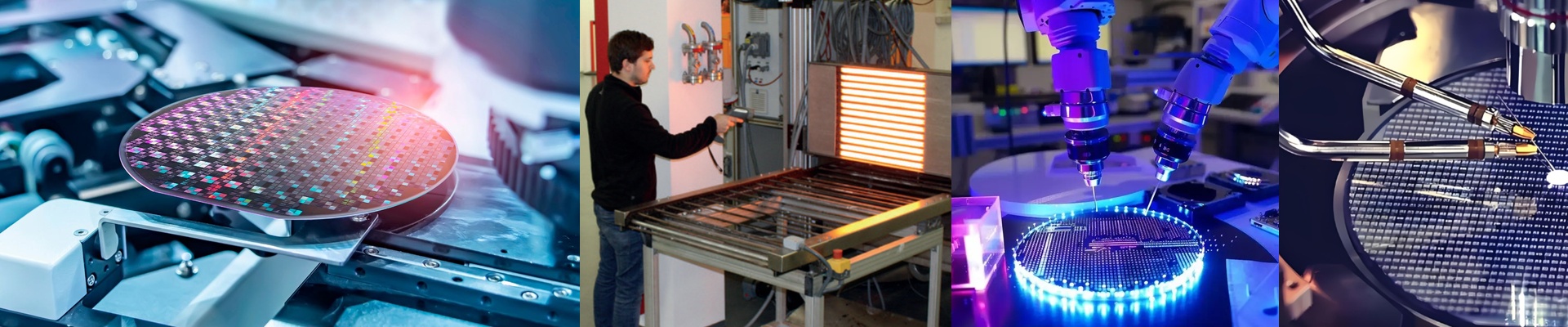
We’ve been swapping out those old resistive heaters in semiconductor fabs for Digital infrared dryer controllers. Why? Because heating up an entire oven chamber just to dry a single wafer is a massive waste of energy. It’s like warming up your whole house just to toast a piece of bread.
Getting the heat where it actually belongs
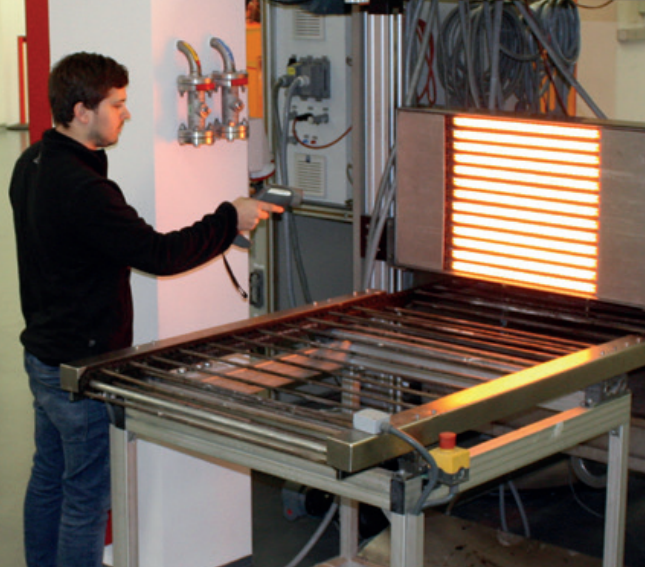
Most convection ovens spend way too much time just heating up the air. Our IR systems change that. They use short-wave radiation to send energy straight into the substrate. We use a PID-based digital controller to tweak the power in real-time. This stops that annoying “overshoot” you get with analog gear—where the temperature just keeps climbing after you’ve hit your target. When you stop fighting the air and start heating the part, the ramp-up time disappears. Your carbon footprint drops. It’s just leaner.
The nuts and bolts of the control loop
The wiring here has to be tight. We’re talking high-frequency switching. You need a system that listens to the thermocouple and adjusts the lamp wattage in milliseconds. If the controller lags, you’re in trouble. You’ll either scorch the wafer or leave moisture behind, and neither is a good day at the office. To keep things smooth, we usually pair these with SCRs. It keeps the power delivery steady and predictable.
The catch: Managing the heat
Here’s the thing: high-density IR arrays gethot. Even though you’re saving energy on the drying cycle itself, your cooling fans have to work overtime to keep the nearby electronics from frying. If you skimp on the exhaust system, the ambient heat will trip your sensors and shut down the whole line. It’s a trade-off, but one that’s easy to manage if you plan for it.
What this actually means for the factory
At the end of the day, it comes down to kWh per wafer. We’re turning a slow, power-hungry process into something fast and targeted. For anyone trying to decarbonize a cleanroom, this is probably the quickest win available. You get your wafers through the line faster, and your power bills actually go down. It’s a win-win.