
Stoping Wafer Contamination: How to Handle IR Lamps in Rinse Zones
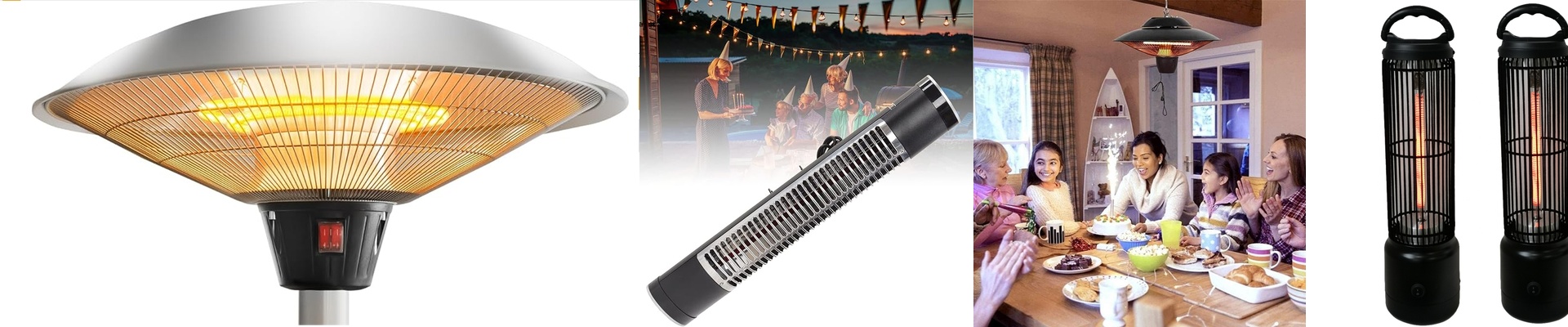
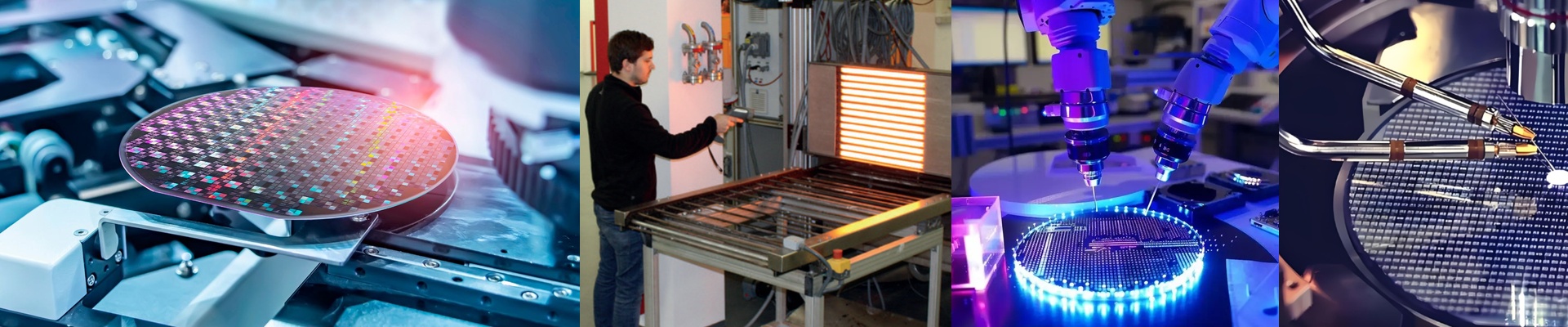
Let’s be honest: the rinse and dry stage of wafer fab is a nerve-wracking place. You’ve got high-power infrared lamps sitting right next to water sprays and chemicals. It’s a recipe for disaster. If a lamp tube pops in that environment, you aren’t just dealing with a broken bulb. You’re dealing with shards and particles raining down on your wafers. That’s an instant yield killer. The problem with thermal shock Standard quartz tubes just can’t take the heat—or the cold. Well, both. When a stray drop of cold water hits a tube running at 600°C, the glass shrinks instantly in one spot. That’s how you get a stress fracture. We deal with this by using a reinforced quartz glass and a waterproof jacket. It basically acts as a shield, keeping the liquids away from the heating element while still letting the IR light through to get those wafers dry. Keeping the debris out To make sure nothing ever touches your wafer, we use a dual-containment setup. The lamp lives inside a sealed, chemically resistant sleeve. Think of it as an insurance policy. If the filament fails or the inner tube cracks, the outer sleeve catches everything. No glass fragments in the mix. We also use heavy-duty seals on the end-caps. If moisture creeps into the electrical connections, you’re looking at short circuits and burnt-out lamps. The seals stop that from happening. What to expect during setup Now, adding a waterproof shield does change things a bit. Because there’s more material, the heat doesn’t hit quite as instantly as it does with a bare tube. You’ll probably need to tweak your ramp-up times and power settings to account for that extra mass. Also, take a quick look at your cooling fans. You want to make sure the housing stays cool during those long, high-load production runs. Swapping these into your current rack is pretty straightforward. Just one tip:**make sure those seals are seated tight.**A tiny gap is all it takes for moisture to find its way in.