
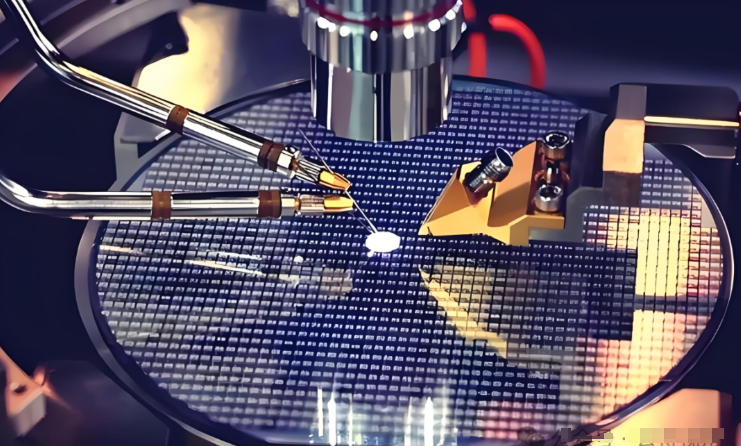
Getting IR Reflectors Right for Wafer Curing
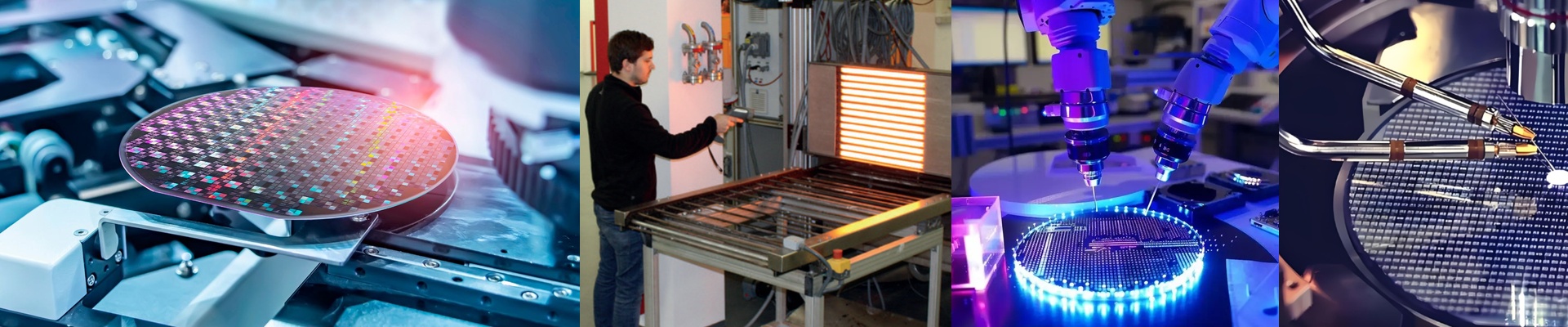
When you’re curing wafers, it all comes down to how you handle the heat. Most people think the answer is just to crank up the power, but that’s a waste. We focus on the reflectors instead. They’re the secret to making sure the infrared energy actually hits the substrate rather than just heating up the room. Especially now, with everyone pushing for “green factories,” the goal isn’t more power—it’s making every single photon count.
Where the heat actually goes
Think about it: a curing lamp without a reflector is basically throwing half its energy away. That’s a lot of wasted money. We use gold or aluminum coatings to bounce that short-wave IR right back onto the wafer. It bumps up the heat flux without you having to touch the wattage dial. Better reflectivity means lower kilowatt-hours per wafer. Simple as that.
Picking the right materials
You can’t just use any piece of metal. It depends on how hot your curing zone gets. High-purity aluminum works for most things. But when things get really intense, we switch to gold-coated quartz or specialized ceramics. Why? Because constant heating and cooling will warp cheaper materials. And the shape has to be spot on. If the curve is off by even a few millimeters, you’ll get hot spots. And hot spots are a nightmare—they warp the wafer or leave you with uneven curing.
Balancing power and space
Cutting your carbon footprint in a fab usually starts with killing idle energy. When you have a high-reflectivity system, you can use lower-wattage lamps and still hit your target surface temperature. Plus, your facility’s chilling units don’t have to work nearly as hard. It’s a win-win. But there is a catch. These reflectors concentrate heat intensely. If your conveyor speed slips or fluctuates, you might accidentally over-cure the edges of the wafer. You’ve got to keep your line speed and focal intensity in total sync, or you’re just creating scrap. We design these as drop-in replacements. That way, you can hit your emissions targets without having to tear apart and rebuild your entire tool.