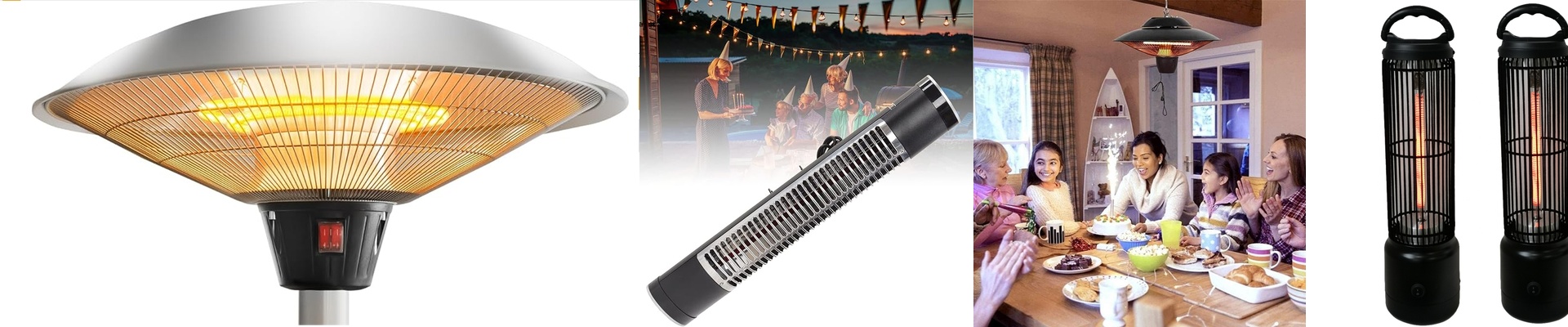
IR Heating vs. Hot Air: Why the Switch Matters for Wafers
If you’re thinking about swapping out hot air circulation for infrared (IR) heating in your deep processing, you’re doing more than just picking a new heater. You’re basically getting rid of that annoying “thermal lag” that slows everything down.
The Waiting Game
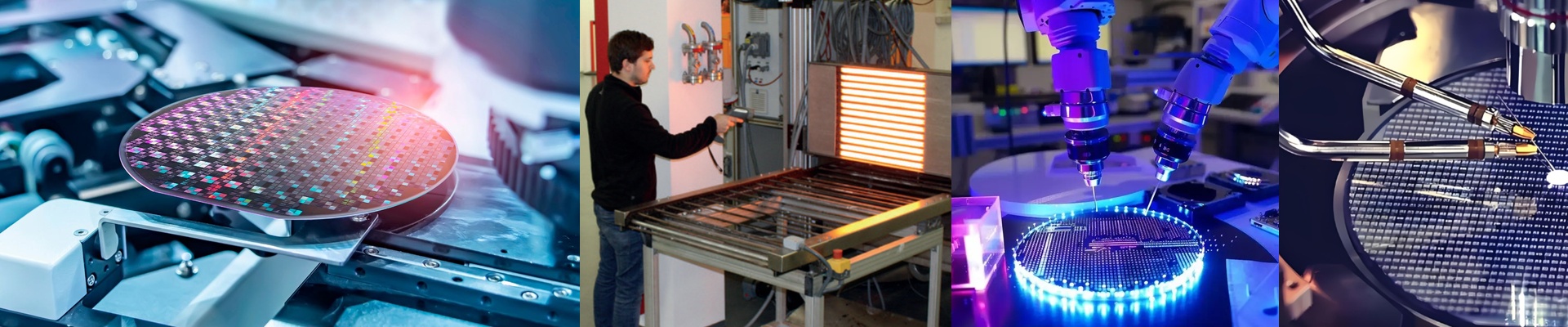
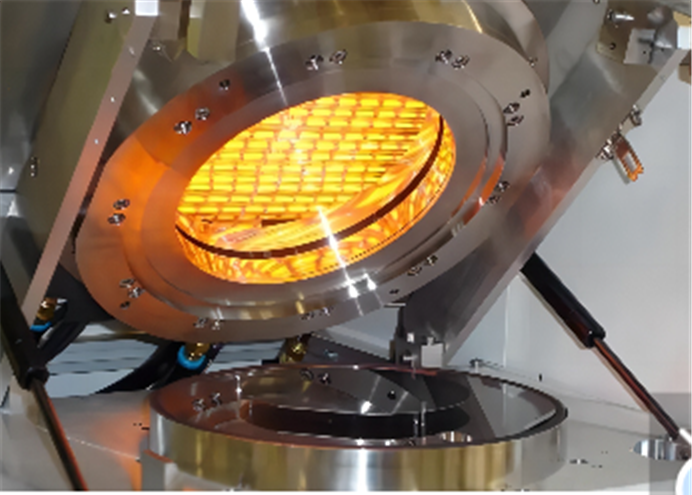
Think about how forced air works. You have to heat the air, then wait for the chamber walls to warm up, and finally, the heat actually reaches the wafer. It’s a slow crawl. IR is a different story. It uses electromagnetic radiation, meaning the photons hit the wafer surface directly. It’s fast. Really fast. We’re talking about hitting your target temperature in seconds rather than minutes. When you’re running a high-volume fab, those lost minutes aren’t just a nuisance—they’re a massive hit to your throughput.
The “Sweet Spot” Struggle
Here is where things get tricky: the distance between the lamp and the wafer. Get the lamp too close? You’ll end up with hot spots or, worse, a damaged wafer. Push it too far back? You lose that punchy intensity that makes IR so great in the first place. We usually figure this out by looking at the wattage needed per square centimeter. But the cool part is that IR lets you zone your heat. You can tweak the lamp height or use reflectors to make sure the heat is spread evenly across the whole wafer.
The Catch
Now, IR is aggressive. You can’t just plug it in and walk away for a coffee. Because it hits so hard, you need a tight PID loop and sensors that react instantly. If you don’t, you’ll overshoot your target. And if your cooling system can’t handle a rapid heat dump when the power cuts, you’ll get temperature swings that can ruin an entire batch. Still, the payoff is huge. You get a smaller footprint for your heating stage and way faster cycle times. For anyone trying to push the speed of their deep processing line, this is pretty much the way to go.