
Stop Waiting on Your Wafers: Why UHP Infrared Lamps Actually Work
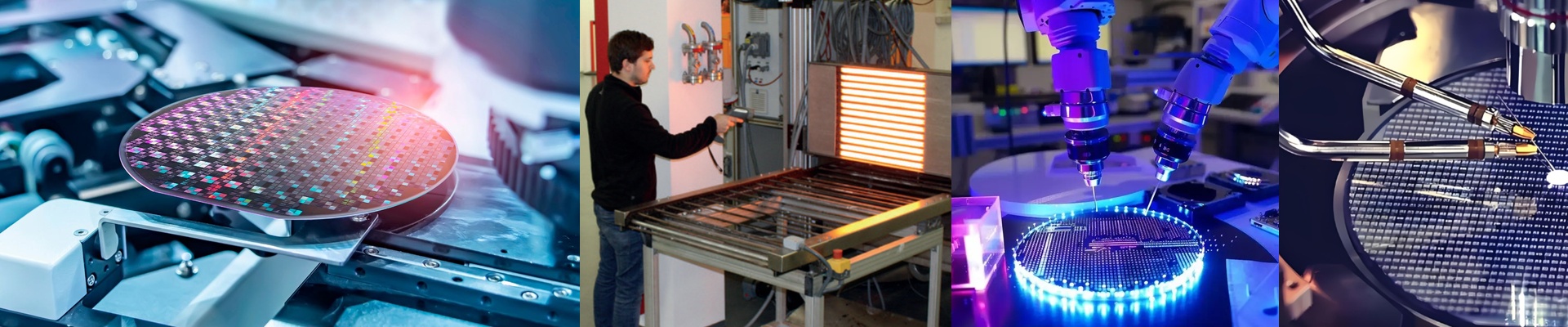
If you’re still relying on hot air circulation, you’re basically playing a waiting game. You heat the air, then you wait for that air to heat the wafer. It’s convection, and it’s slow. In the world of semiconductor processing, that lag isn’t just annoying—it’s costing you money. UHP (Ultra High Purity) infrared lamps flip the script. Instead of messing around with the air, they use radiant energy to hit the substrate directly. It’s all about the speed. Radiant heating doesn’t need a middleman. We use shortwave infrared emitters that hit the target surface almost instantly. Think about it: a convection oven takes minutes to ramp up. A UHP lamp? It hits peak temperature in seconds. That’s a massive win for your throughput. You get more wafers moving through the line without having to clear out more floor space for new equipment. The gritty details (and the traps) We build these things with high-purity quartz. Why? Because in a UHP environment, one tiny flake of tungsten or alumina can ruin an entire batch. It’s a nightmare you just don’t want to deal with. We also dial in the wattage and voltage carefully so the heat spreads evenly across the wafer, rather than leaving hot spots. But here’s the catch. These lamps dump a huge amount of energy into a tiny area. If your water-cooling loop isn’t up to the task, you’re going to melt your seals and connectors. You have to make sure your cooling jackets are spot on, or you’ll be dealing with a mess. Making it work in the real world Nobody wants to spend hours fixing a machine when a part fails. That’s why we designed these for quick swaps. When a lamp goes, you just drop in a replacement and get the line moving again. We used standardized connectors so you aren’t stuck rewiring a whole rack in the middle of a maintenance window. One last thing: if you’re switching from hot air to IR, don’t just plug and play. You’ll need to tweak your PID loops. IR is fast—way faster than the slow drift of hot air. If you leave your controller tuned for the old system, you’ll overshoot your target temperature and end up scrapping your parts. Adjust the settings, get the timing right, and you’re good to go.