
Making Your Bathroom Warm (Without the Wait)
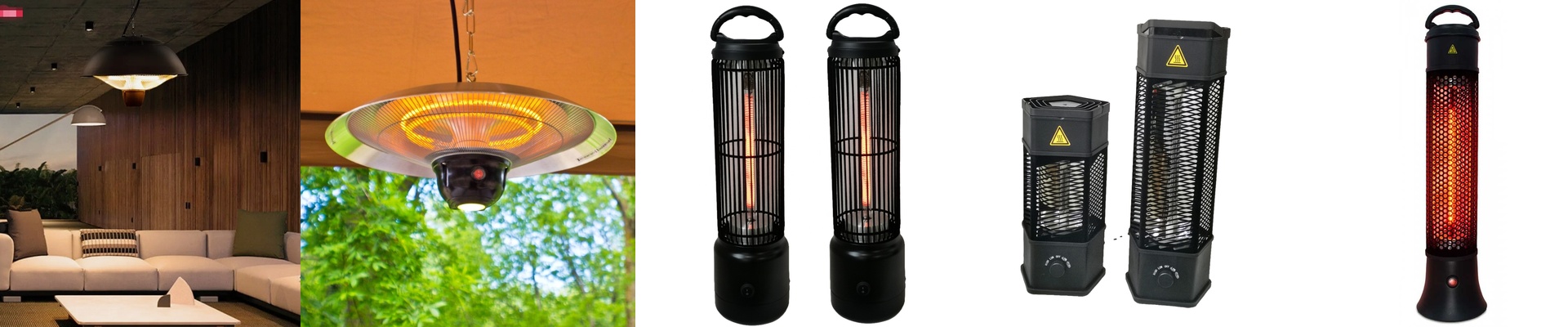
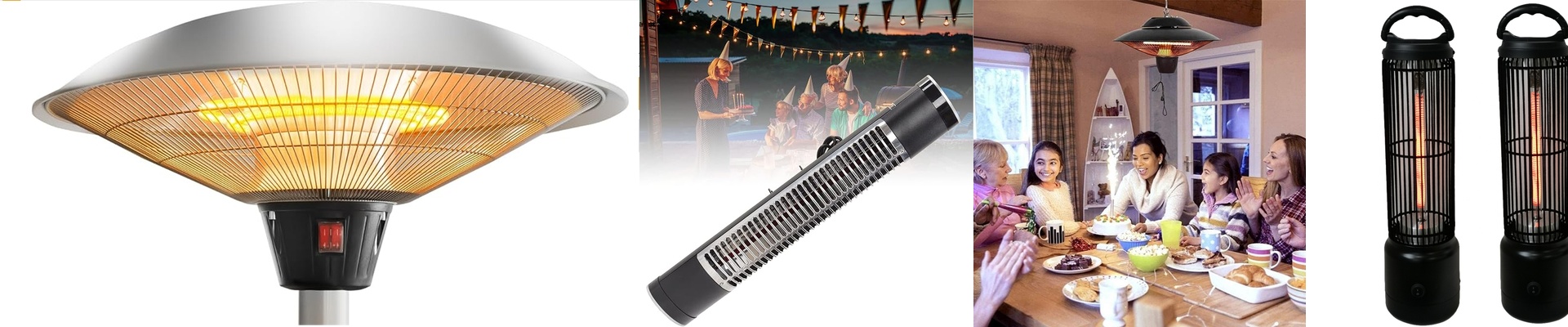
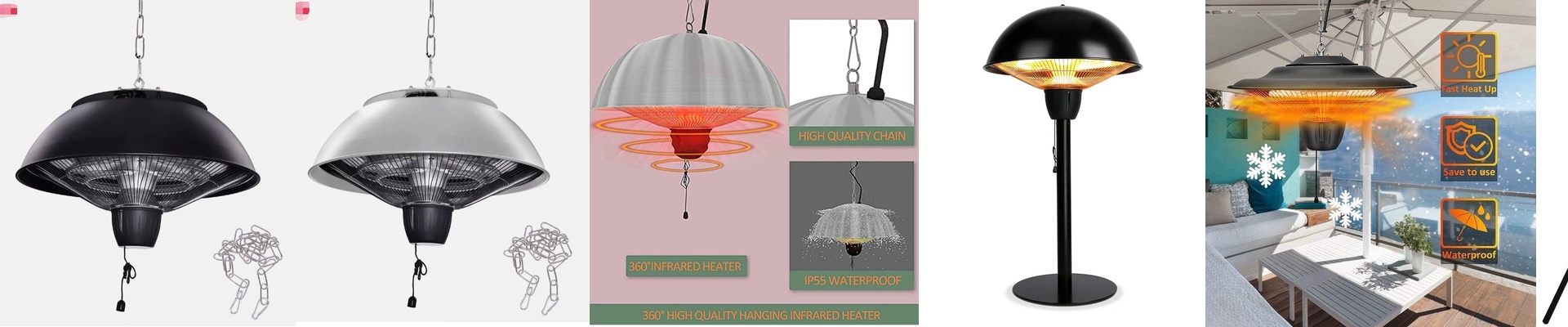
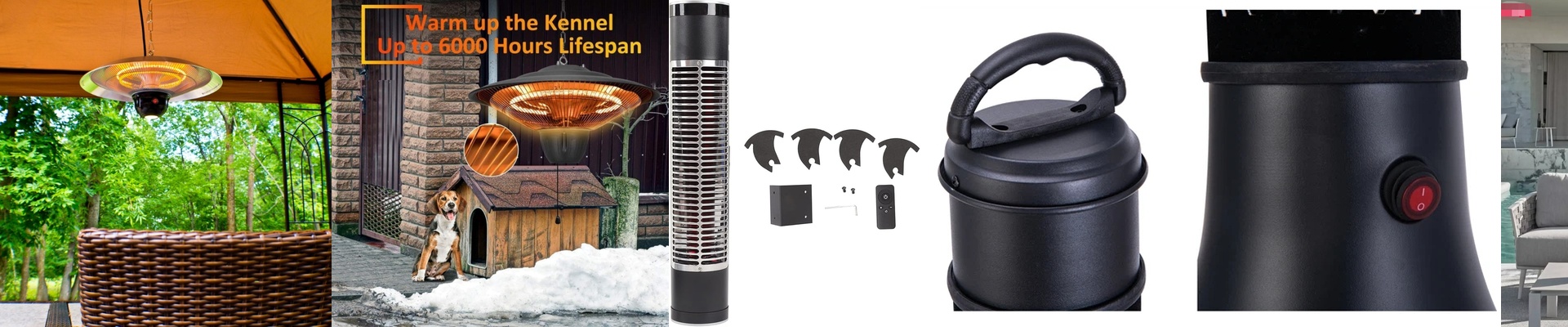
Ever notice how most bathroom heaters take forever to actually feel warm? You turn them on, wait five minutes, and the air is still chilly. Infrared (IR) heaters are different. They don’t bother trying to heat up the air in the room. Instead, they send warmth straight to your skin and the surfaces around you. It’s a completely different experience. That “Instant” Feeling We use short-wave IR emitters for this. Most heaters have to warm up a ceramic core or a metal fin first, which takes time. But with an IR lamp, the tungsten filament hits peak heat the millisecond the power kicks in. It’s that feeling of stepping into a warm spring the second you flip the switch. No waiting. Just heat. Bringing it Into Your Smart Home Now, flipping a switch is fine, but automating it is where things get interesting. By adding a Zigbee or Wi-Fi relay, you can control everything from your phone or a voice command. One heads-up though: these heaters pull a lot of power. If you use a cheap, flimsy relay, the contacts can actually weld shut from the heavy load. I always suggest high-capacity relays. They can handle the “surge” when the heater kicks on without breaking a sweat. And the best part? You can time it. Imagine your heater kicking in two minutes before your alarm goes off. You wake up, walk into the bathroom, and it’s already cozy. A Couple of Things to Watch Out For It’s not all plug-and-play. Because these lamps pull so much wattage, you have to be careful with your wiring. If your wires are too thin, you’ll get a voltage drop, and your lamps just won’t get as hot as they should. Also, keep in mind that IR heat is directional. It’s like a flashlight, but with warmth. If the lamp is blocked or pointed the wrong way, you’re going to have cold spots. When you’re planning the layout, actually look at where you’ll be standing—the shower, the vanity—and aim the heat right there. Get the placement right, and it’s a total win.