Why we’re ditching old bathroom heat lamps for IP55 Infrared
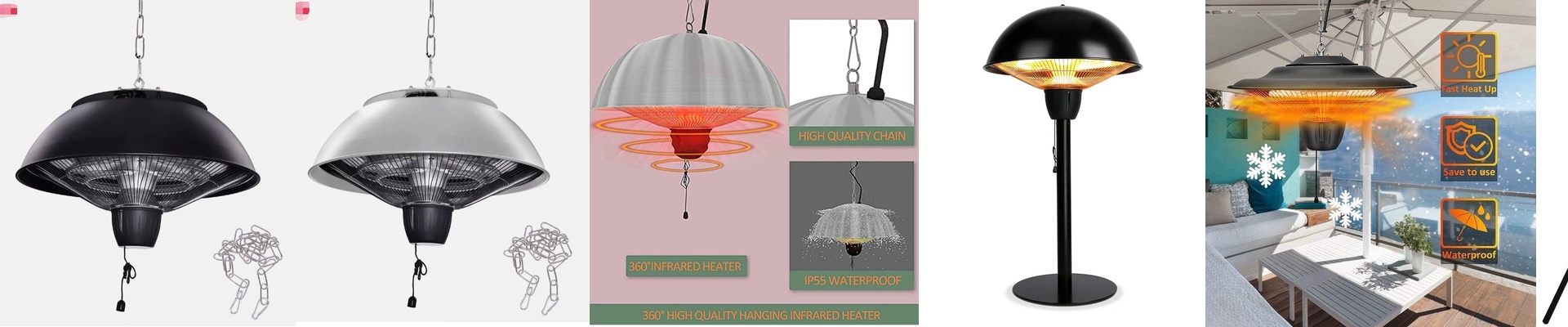
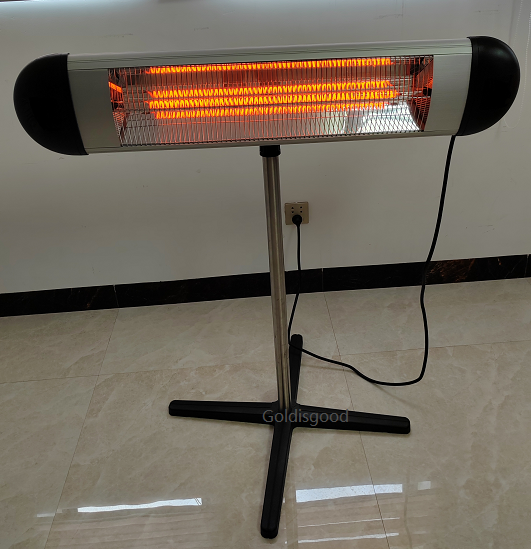
You know those old-school bathroom heat lamps? The ones with the quartz tubes that get blindingly bright? They’re a bit of a gamble. One stray drop of water or a thick cloud of steam hits that scorching glass, and pop—the tube cracks or the wiring shorts out. It’s a mess. That’s why we’ve been moving toward IP55-rated infrared heaters. They’re actually built for the chaos of a steamy bathroom. What’s the deal with IP55? Basically, it means the unit can handle dust and, more importantly, water jets hitting it from any angle. Think about your bathroom: you’ve got splashes, heavy condensation, and constant humidity. We seal up the internal wiring and the housing so moisture can’t sneak in and bridge the electrical contacts. It stops those annoying “burn outs” you get with the cheap stuff. It just lasts longer. The “Feel” Factor Here is the thing about traditional heaters: they try to warm the air. But if you have a drafty room or a window cracked open, that heat just vanishes. Infrared is different. It sends out radiation that hits your skin and the floor directly. It doesn’t care if the room is freezing; you feel the warmth the second you step under it. We use reflectors to push that energy straight down, so you aren’t wasting electricity heating the ceiling. The Reality Check If you’re putting one of these in, you’ll need a dedicated GFCI outlet. Safety first—water and electricity don’t mix. You get a smaller unit and it heats up instantly. But there is a catch. Infrared is directional. If you aren’t standing right under the heater, you won’t feel much. Because of that, you have to be smart about where you place it. Map out your room so you don’t end up with a “cold zone” right where you’re trying to dry off. As long as your electrical panel can handle the wattage, it’s a pretty easy swap for your old system.