
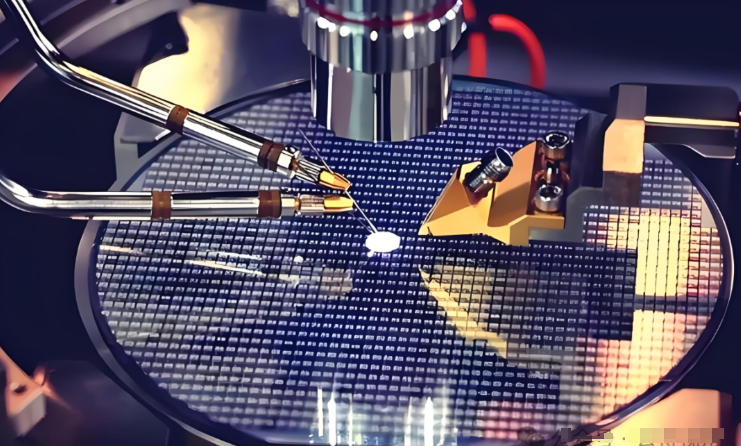
Why we’re switching to Infrared for semiconductor curing
If you’re still relying on solvent-based drying or those massive convection ovens, you probably already know the pressure to go green. It’s not just about checking a box for “eco-friendly” mandates—it’s about the actual footprint of your cleanroom. That’s why we’ve moved toward infrared (IR) heating in our gloveboxes. Instead of trying to heat up all the air in the room, IR just sends energy straight to the part. No giant air-handling units. No wasted electricity. Just a much lighter carbon footprint.
The shortcut to heating
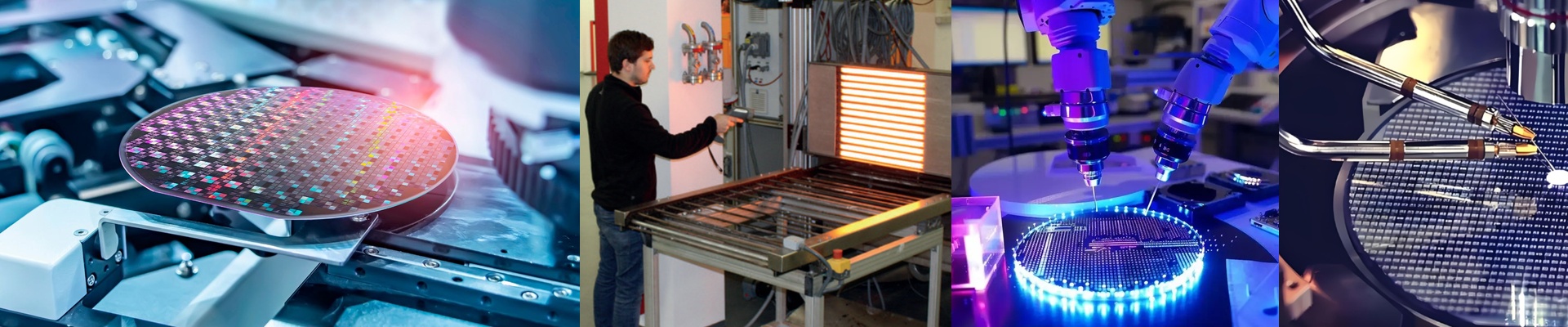
Here is the cool part: IR waves don’t mess around with the air. They penetrate the substrate directly. We tune these elements to hit the specific absorption bands of whatever material you’re curing. This means you aren’t paying to heat the walls of your glovebox or the inert gas floating around it. **It’s fast.**Really fast. Because the heat doesn’t have to travel through a medium, your ramp-up time vanishes and your cycle times drop.
Getting it right inside the glovebox
When you’re working in a glovebox, the last thing you want is contamination. We use high-purity quartz envelopes to keep outgassing from ruining your batch. Usually, we stick with shortwave or medium-wave emitters. Why? Because we want the heat to hit the target, not just soak the entire enclosure until it’s sweating. But you have to be careful with power density. Sure, a high-wattage element cures things in a blink, but it puts a massive strain on your power supply. Plus, if the lamp is too close to the part, you’ll get localized hot spots. You’ve got to nail that focal point, or you’re going to end up scorching your wafers.
The trade-offs
IR is clean and it’s quick, but it has one quirk: it needs a clear line of sight. If your part has deep grooves or a weird 3D shape, you’re going to get shadows. You can’t just toss an IR lamp in there and expect a perfectly even cure. To fix that, we usually pair the elements with gold-plated reflectors. It basically catches the energy that would have been wasted and bounces it right back onto the workpiece. Simple, but it works.