
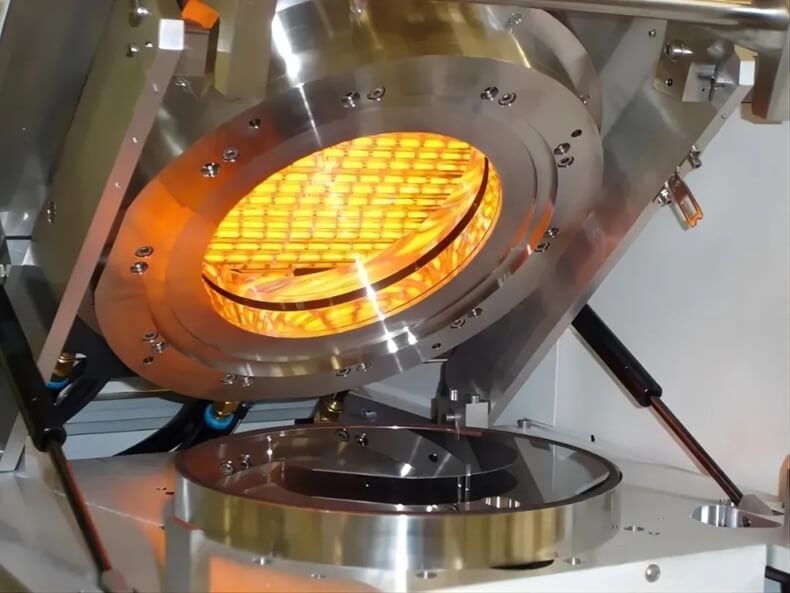
Stop the Shards: Keeping Your Wafers Clean When Lamps Fail
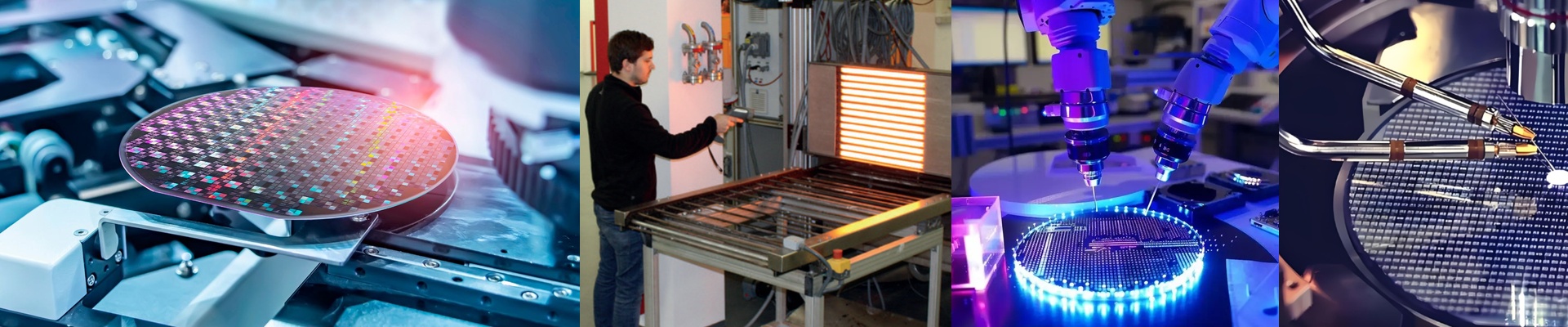
In a high-volume semiconductor line, a burst infrared lamp is a nightmare. It’s not just about the downtime—it’s the cleanup. When a quartz tube goes, it doesn’t just stop working; it showers your wafers in glass shards and particulates. It’s a total mess. That’s why we build our clean room heaters to catch the disaster before it hits your substrate. The Safety Net We don’t just trust the quartz to hold up. We’ve added a secondary containment shield that acts like a safety net. If a tube pops, the shield catches the debris. To make the lamps last longer in the first place, we use high-purity quartz. It handles rapid power cycling without cracking from thermal shock, which means fewer “uh-oh” moments in the middle of a run. Dealing with the Heat When you jam high-wattage lamps into a small space, things get hot. Fast. If your cooling isn’t up to the task, the ends of the lamps overheat. That’s when seals fail and gas leaks start happening. To stop that, we use reinforced connectors and specialized end-cap seals. They keep the vacuum tight, even when the thermal stress is pushing the hardware to the limit. Quick Swaps, Less Dust Replacing a lamp shouldn’t be a surgical operation. We kept the installation simple with standardized connectors. You just drop the new one in and you’re back in business. The faster you can get the lamp swapped, the less time your oven stays open. And the less time it’s open, the fewer airborne particles sneak inside to ruin your batch. A Word of Advice Here’s the thing: if you push these lamps to their absolute max wattage, they’re going to burn out faster. It’s a trade-off. You have to balance how fast you want to ramp up the heat against how often you want to be climbing inside the machine to replace tubes. If you run them too hot for too long, you’ll be swapping quartz every few weeks. Get your PID tuning right so you don’t overshoot your target temperature. Your hardware—and your sanity—will thank you.