
Stop Replacing Your Whole Mirror Just Because a Heater Died
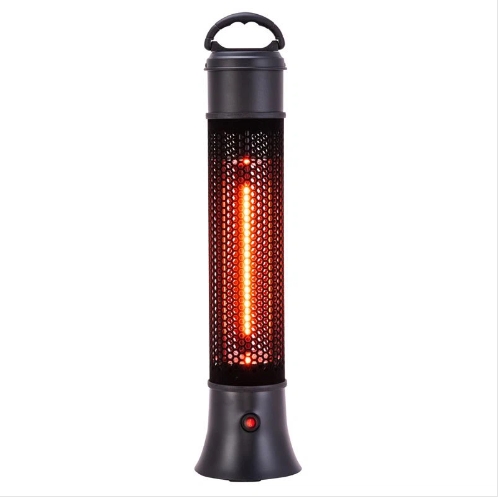
Let’s be honest: bathroom mirrors are a nightmare for electronics. Between the steam, the humidity, and the constant temperature swings, things eventually break. Usually, when a mirror heater burns out, you’re stuck. Most of them are glued to the back of the glass or buried deep in the wall. Once they go, you basically have to rip the whole mirror out of the wall just to fix one tiny part. It’s a mess. We got tired of that, so we changed how we build them. The “Plug-and-Play” Approach We stopped using those permanent, fixed-wire setups. Instead, we went with a modular design. Think of it like a lightbulb. If the bulb burns out, you don’t throw away the whole lamp, right? You just swap the bulb. We did the same thing here. If a heating element gives up the ghost after five years, you don’t need a sledgehammer. You just pop out the old module and click in a new one. We used standardized footprints and quick-connect terminals to make this happen. For a technician, this is a dream. What used to be a four-hour demolition job is now a ten-minute swap. Heat That Actually Works We chose short-wave infrared emitters because they’re fast. Really fast. Instead of waiting for a heating pad to slowly warm up the glass, these project heat directly onto the surface. The fog vanishes almost instantly. There is a catch, though. Because these modules pack a lot of punch to clear that steam quickly, they get hot. You have to make sure the housing can handle the temperature rise. When you’re installing them, just give the mounting brackets some breathing room so the heat doesn’t soak into your wall studs. Dealing with Reality Here is the truth about hardware in wet zones: things degrade. Between the oxidation and the constant heating and cooling, filaments eventually fatigue. It’s just physics. So, we stopped pretending these heaters last forever. By treating the heater as a part you replace—like a filter or a battery—we take the stress out of the equation. You don’t have to worry about a total product failure. You just grab a replacement module, wire it up, and you’re back in business.