Stopping the Energy Leak in Fab Drying
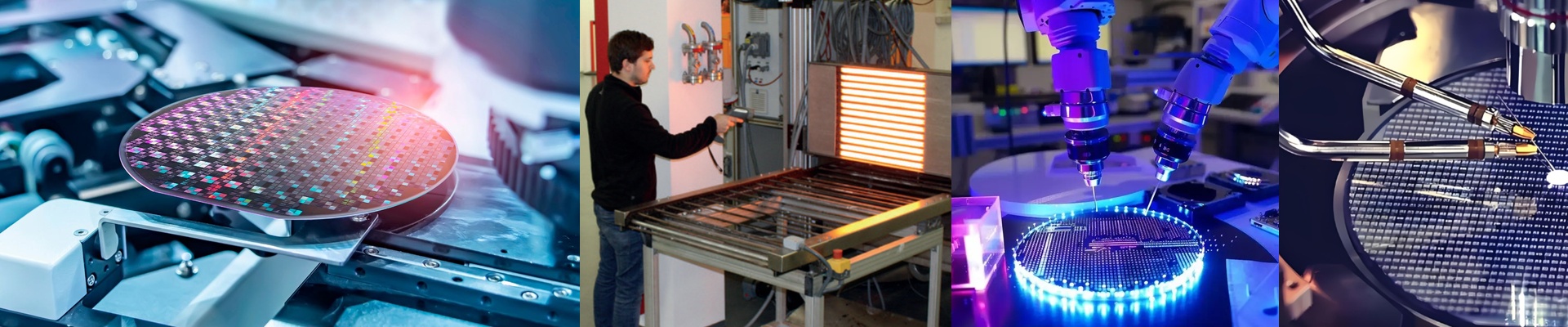
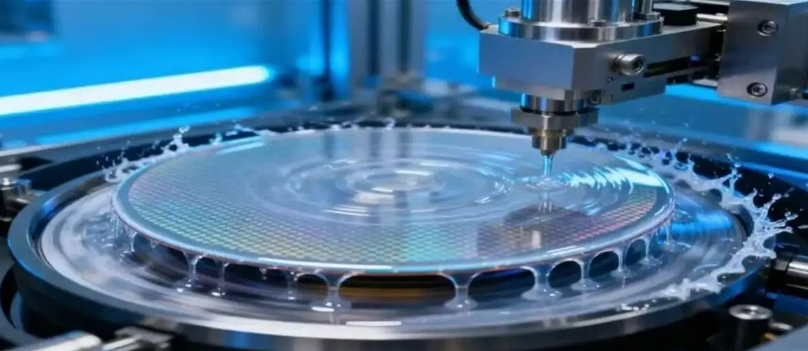
If you’ve ever run an energy audit on a semiconductor line, you know exactly where the bleeding happens. It’s usually the drying stage. Most fabs rely on these massive convection ovens that try to strip moisture from wafers by heating up every single cubic inch of air in the chamber. It’s a lot of power just to make sure you don’t have water spots on your product. But there’s a better way to handle this. Instead of heating the air, why not just heat the wafer? That’s where short-wave infrared (IR) lamps come in. Cutting out the middleman Here is the thing: IR lamps don’t care about the air. They send electromagnetic radiation straight to the water molecules on the wafer surface. You stop wasting kilowatts trying to warm up the walls of the machine. Plus, IR is instant. You can kick the heat on the exact millisecond a wafer hits the zone and kill the power the moment it leaves. No more “idle heat” just sitting there wasting money while the tunnel waits for the next part. The balancing act Now, it’s not just about cranking up the power. To get those evaporation rates where they need to be, you need high power density. But that creates a bit of a headache. If you push too much intensity, you start risking thermal stress on the edges of the wafer. It’s a delicate balance. You need a control loop that actually works in real-time to keep things from overheating. And you can’t forget the cooling fans—if they aren’t up to the task, that radiant heat bleed will start spiking the temperature in your cleanroom, and nobody wants that. The bottom line for the planet When you swap out those old gas-fired or clunky electric ovens for targeted IR, the kWh per wafer drops significantly. In a high-volume fab, those small wins add up fast. We’re talking about tons of CO2 kept out of the atmosphere every year. It turns a notorious bottleneck into a lean, quiet process. Your cycle times get faster, and your energy bill actually looks reasonable for once.