Stop Heating the Air: Why IR is the Secret to a Smarter Fab
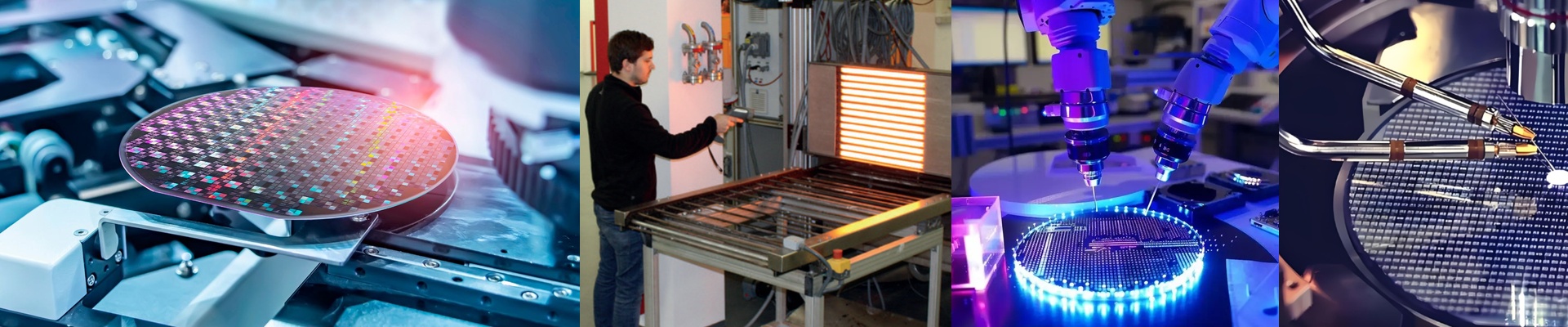
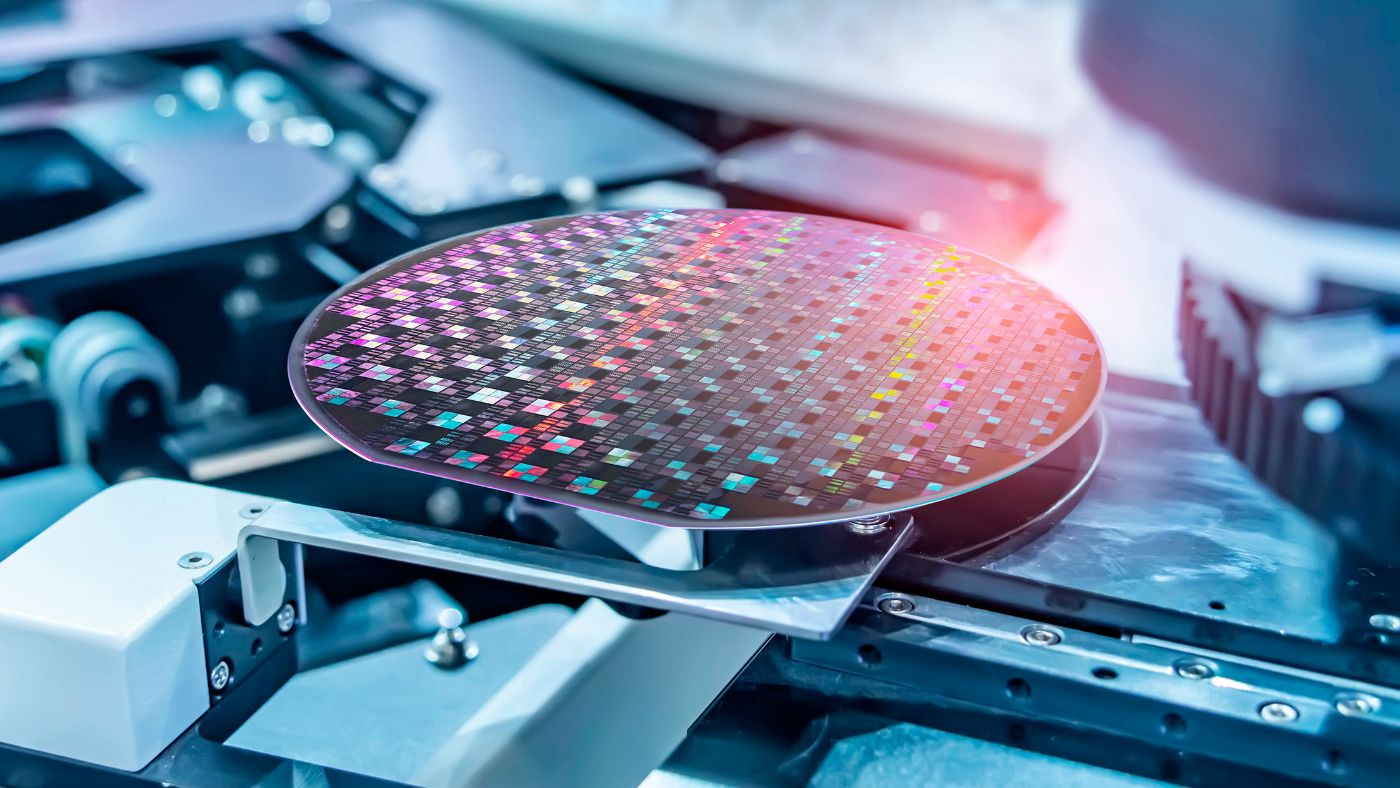
If you’re mapping out a Smart Fab for Industry 4.0, you’ve probably realized that the old way of handling heat just doesn’t cut it. Traditional convection is slow. It’s clunky. Most of the time, you’re just wasting power heating up the air around your parts instead of the parts themselves. That’s why we lean on high-efficiency infrared (IR) systems. They hit the wafer or substrate directly. No middleman. No wasted energy. Hardware that actually talks back Digitalization sounds fancy, but in a Fab, it really just means having hardware you can actually measure. IR systems are incredibly snappy. When you hook them up to a PLC with a closed-loop PID controller, the temperature adjustments happen almost instantly. It turns your production line into something you can actually track. You get a clear log of the energy hitting every single wafer. If you’re obsessed with yield management, that’s the kind of data you need to sleep at night. Small footprint, big heat Here is the cool part: IR heaters pack a ton of energy into a tiny space. This means you can shrink your heating chambers and reclaim some floor space. But there is a catch. Because the heat is so concentrated, you have to be careful with your chassis and cooling manifolds. If you skimp on the cooling, you’re going to deal with “heat soak.” Before you know it, your nearby sensors are fried and your electronics are burning out. Get the specs right on the cooling, or you’ll be replacing components way too often. The bottom line for 300mm lines We prefer IR because it plays so well with digital sensors. You can use pyrometers to feed live data back to the IR array, which kills the lag you usually get with resistive heaters. Everything just moves faster. The ramp-up is quicker, the cycle times drop, and the whole process feels leaner. For any engineer trying to optimize a 300mm line, switching to IR is just a smarter way to keep the energy overhead low and the throughput high.