Why Infrared is the Secret Sauce for Your Smart Fab
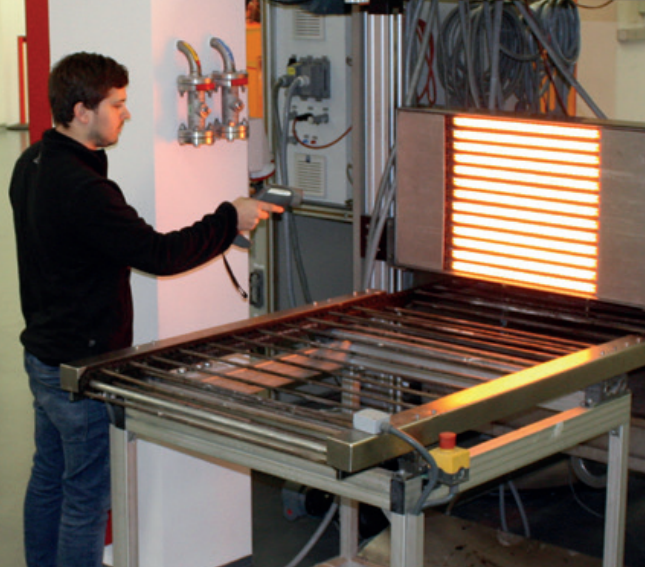
If you’re planning a Smart Fab for Industry 4.0, you’ve probably realized that the old way of handling heat just doesn’t cut it anymore. Those giant convection ovens? They’re slow. They take up way too much floor space and they lag. It’s frustrating. That’s why we lean on high-efficiency infrared (IR) systems. Instead of wasting time heating up all the air in a massive chamber, IR shoots radiant heat straight into the substrate. It’s cleaner, faster, and your energy bill will thank you.
Making the Hardware Actually “Smart”
A fab isn’t really “smart” just because it has a fancy label. It’s all about the data. The cool thing about modern IR arrays is how they play with others. We hook them up to PLC controllers and PID loops so the heat stays perfectly even across your wafer or panel. You can watch the power draw and surface temps in real-time. And here’s the best part: if you need to crank up the production line, the lamps react instantly. No waiting around for a “warm-up” period. You just go.
Getting the Precision Right
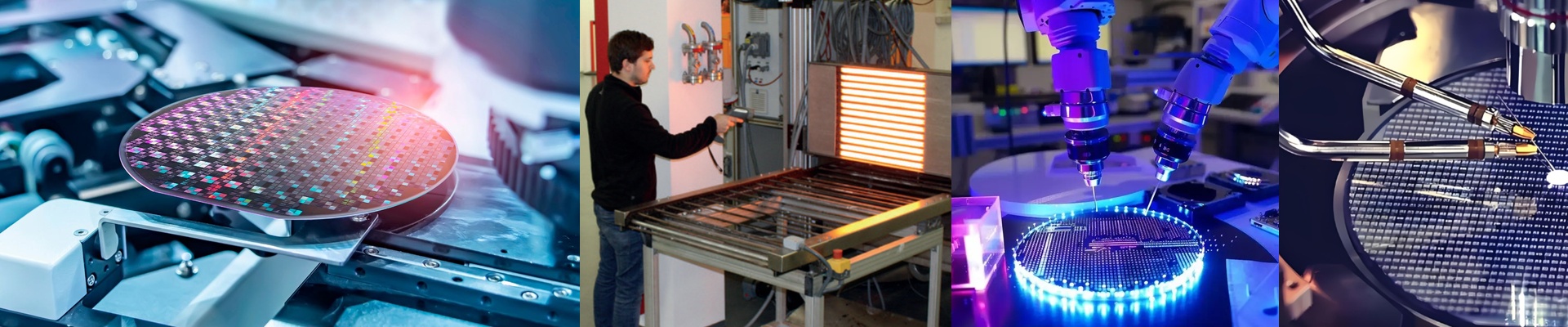
In the world of semiconductors and displays, a tiny mistake is a huge disaster. Precision is everything. With IR, you can pick the exact wavelength—short, medium, or long—depending on what your material actually absorbs. We use zoned heating arrays to kill off those annoying cold spots. Since you can tune each zone on its own, you don’t have to worry about your parts warping or curing unevenly. It just works.
The Catch (The Engineering Trade-off)
Now, let’s be real. There’s a trade-off. When you cram that much wattage into a small space, your electrical setup takes a hit. It’s a lot of power. This means your cooling has to be spot on. If your exhaust or chilled water loops can’t keep up with the heat, your sensitive sensors are going to freak out and trigger a thermal shutdown. It’s a nightmare to debug. To sleep better at night, we usually over-spec the cooling capacity by about 15%. It gives you a safety net so you don’t hit those bottlenecks.