
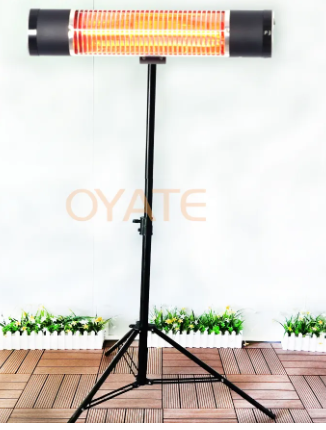
Making Your Pergola Actually Usable in Winter
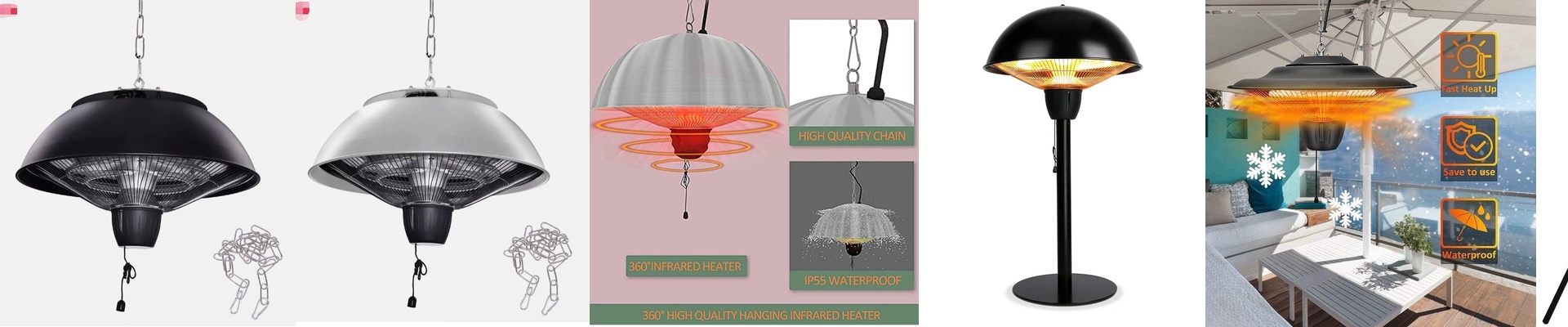
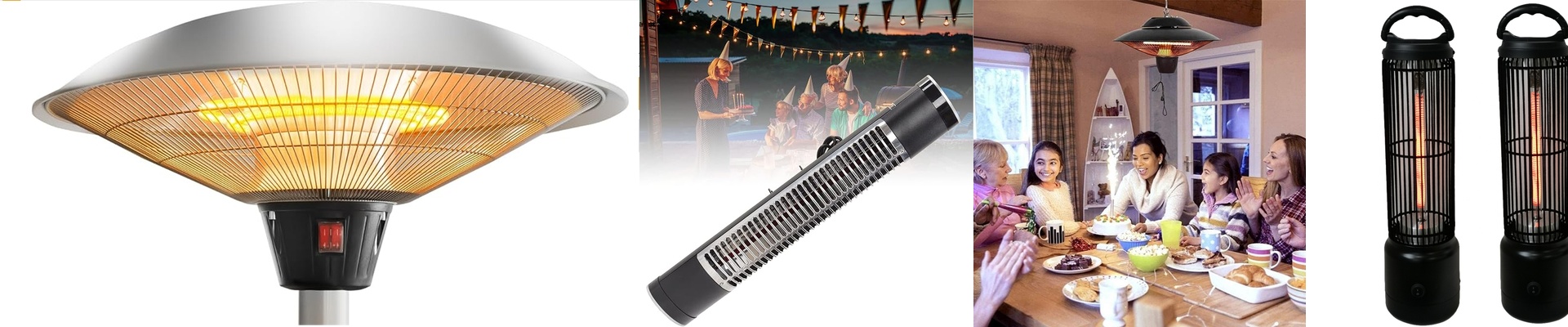
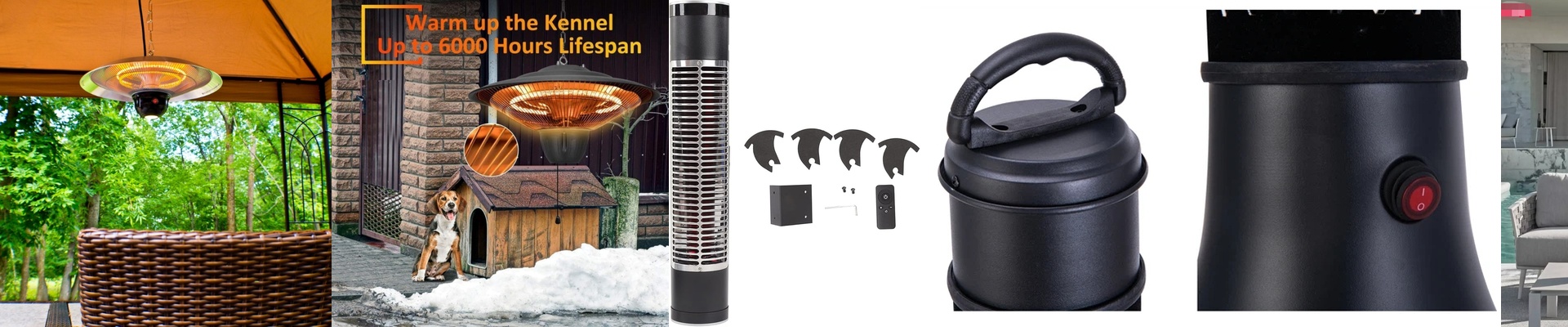
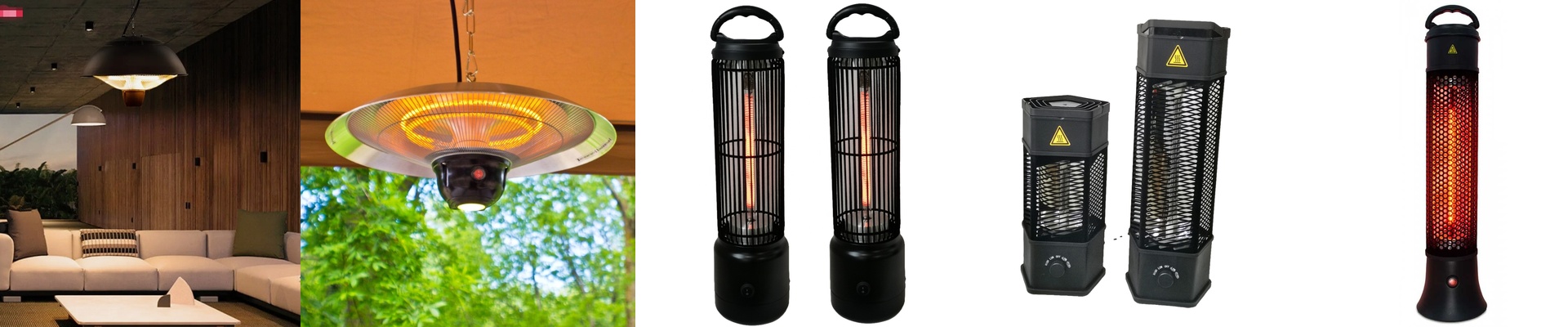
Let’s be honest: a beautiful outdoor pergola is great, until the temperature drops. Then it just becomes a fancy piece of architecture you look at through a window. If you want to actually spend time out there when it’s chilly, you need heat that doesn’t just vanish the moment a breeze hits. That’s why we go with short-wave infrared. Most heaters try to warm up the air. But in an open-air pergola? That’s a losing battle. The wind just carries the warmth away. Infrared is different. It works like the sun—it beams heat directly onto you and your guests. You feel it instantly.
The Secret to That “Instant Warmth”
Nobody wants to wait twenty minutes for a heater to kick in. We use quartz halogen elements because they’re fast. Like, “hit the switch and feel it in seconds” fast. Since this is outdoors, we don’t mess around with the housing. Everything is IP65-rated, which is just a fancy way of saying it can handle rain and humidity without shorting out. The heating element lives inside a high-purity quartz tube, so it doesn’t burn out or rust. It just works.
Making it “Smart” (Without the Headache)
The last thing you want to do when you’re cozy with a drink is get up and fiddle with a manual switch. We hook these heaters up to smart relays or controllers that speak Zigbee or Matter. This means you can just tap an app or let the house handle it for you. Here is how it usually looks in real life: a small sensor notices the air is getting crisp, tells your home hub, and the heater clicks on. You don’t even have to think about it. You just notice you’re warm.
A Heads-Up on the Electrical Stuff
Here is the part where you need to be careful. These lamps pull a lot of power. If you’re putting in four 1500W units, you’re looking at a 6kW load. That’s a heavy lift for your electrical system. If you use wires that are too thin, you’ll lose heat and potentially create a safety hazard. Make sure your wiring and circuit breakers are beefy enough for the job. And please, check that your smart relay can actually handle the load. If it’s under-rated, the contacts can weld shut, and then you’ve got a real problem on your hands.