

Keeping Your Bathroom Infrared Heaters Safe (and Dry)
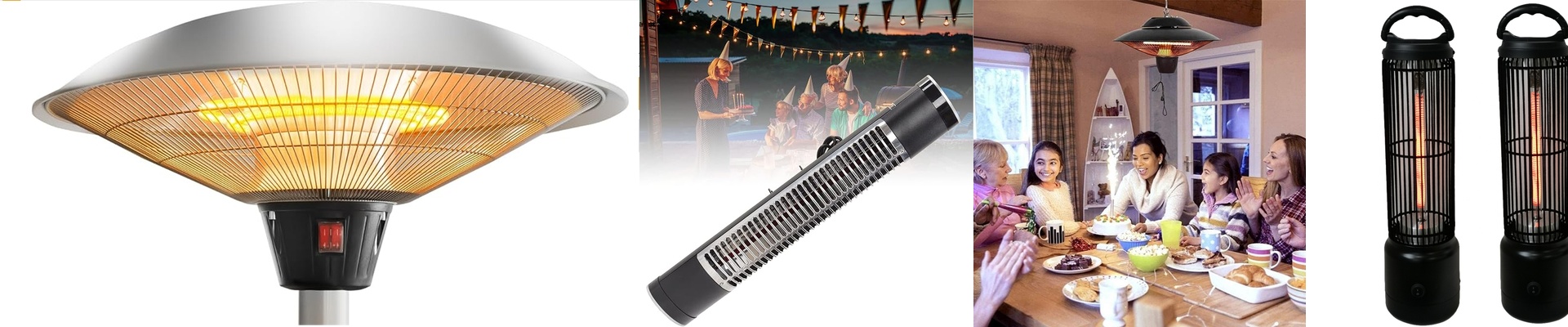
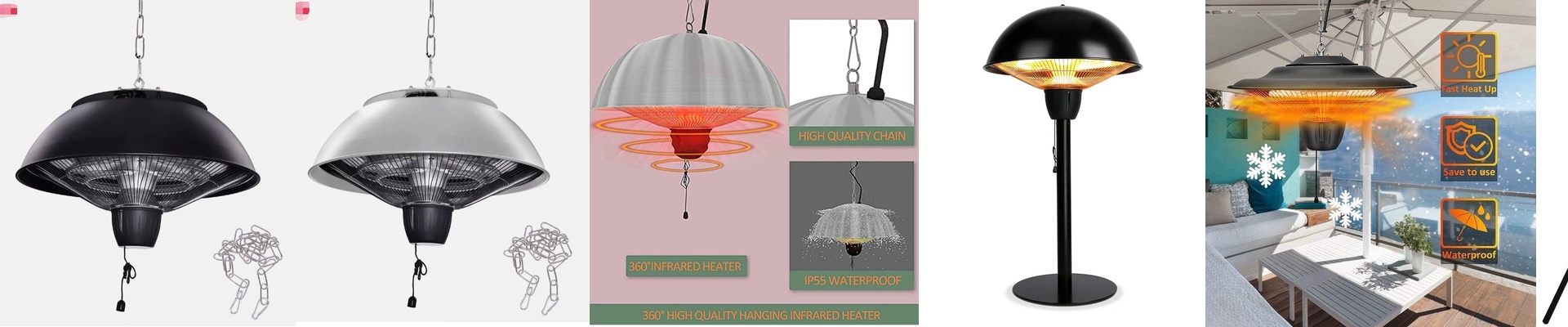
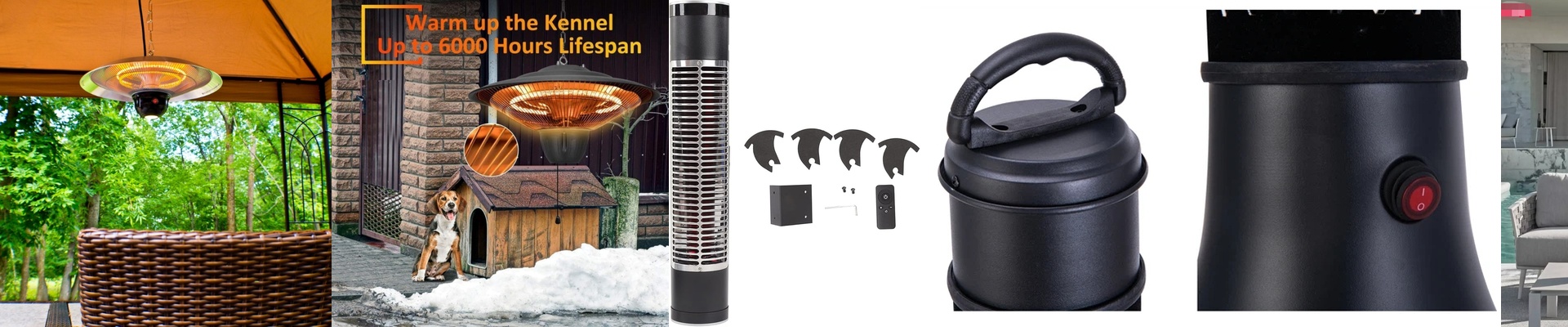
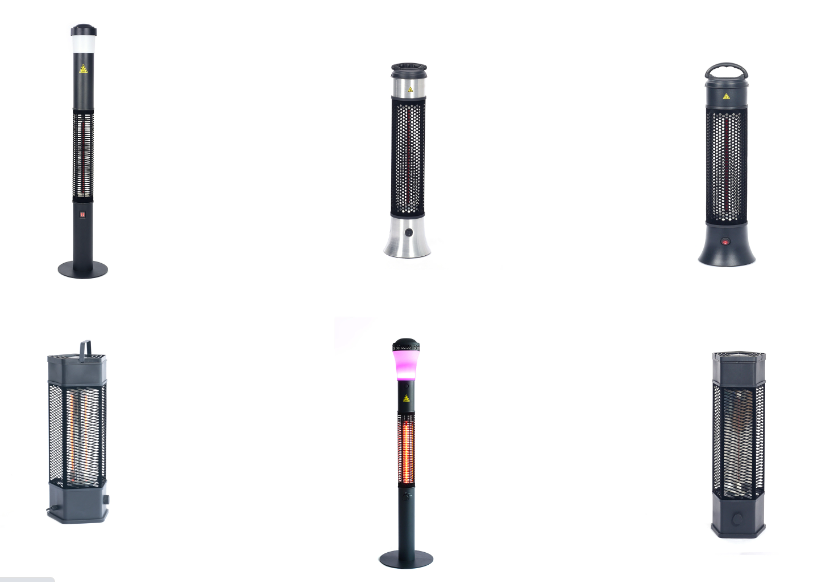
Let’s be honest: bathrooms are a nightmare for electronics. Between the thick steam from a hot shower and the occasional stray splash of water, it’s basically a swamp in there. You can’t just throw a basic heater on the wall and hope for the best. If water gets where it shouldn’t, you’re looking at a dangerous situation. That’s why we stick to IP65 ratings. It’s basically a fancy way of saying the housing is built to keep the guts of the machine bone-dry.
Dealing with the Damp
Here’s the thing about steam. It doesn’t just sit there; it sneaks. Water vapor can wiggle its way into a standard heater housing and create a little bridge for electricity to travel from the live wires straight to the outer shell. Not great. To stop that, we use sealed gaskets and potted cable entries. Think of it like shrink-wrapping the sensitive parts. Even when the room feels like a sauna and the humidity is hitting 100%, the electricity stays exactly where it belongs.
The Nitty-Gritty of the Wiring
We don’t cut corners on the hardware. I use high-temperature silicone cables and heavy-duty potting compounds to lock everything down. The junction boxes get a coating of epoxy resin to stop “creepage”—which is just a nerdy term for electricity crawling across a damp surface. And please, for the love of everything, make sure the ground wire is bonded directly to the metal chassis. If a seal ever fails and a live wire touches the case, you want the breaker to trip instantly. It’s better to have a dead heater than a live one.
The Trade-offs
Nothing is perfect. When you seal a heater this tightly to keep water out, you’re also trapping heat inside. Because there’s no airflow, the internal components run a bit hotter than they would in a living room. You’ll need to be smart about your thermal cut-offs so the thing doesn’t burn itself out prematurely. Plus, when you’re doing the final hookup to the mains, use IP68-rated connectors. Just one loose gland and your whole waterproofing strategy goes out the window. If you skip the grounding, that IP65 shell is just a piece of metal—it won’t save you from a ground fault.