
Dealing with Lamp Failures in High-Load Wafer Processing
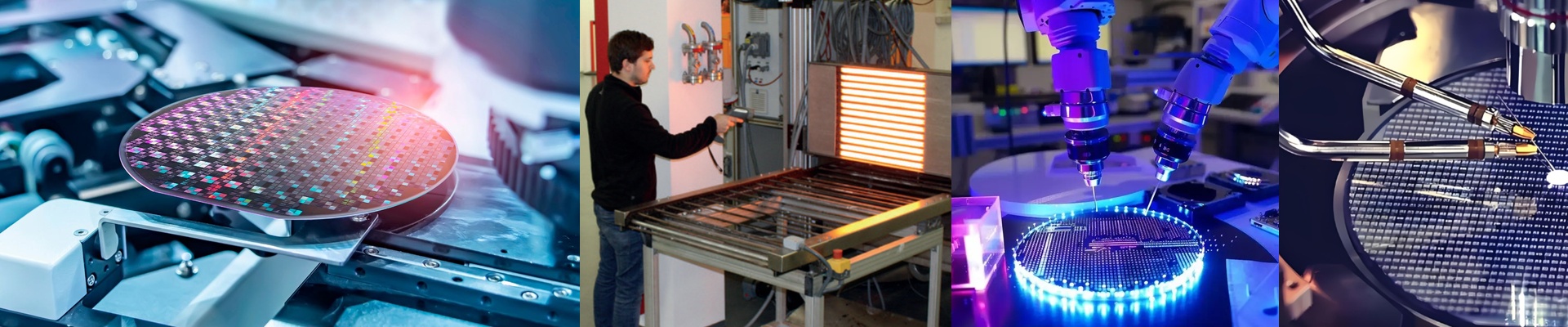
When you’re pushing infrared lamps to the limit in semiconductor production, things can get messy. If a quartz tube decides to pop under the pressure, you aren’t just looking at a dead lamp and a stopped line. You’re looking at glass shards and tungsten filaments raining down directly onto your wafers. It’s a nightmare. One bad pop can contaminate an entire batch, and suddenly your yield for the day is gone.
A Simple Fix: The Safety Housing
We figured out a way to stop that from happening. Instead of leaving your IR tubes out in the open, we slide them into a custom stainless steel sleeve. Think of it as a safety cage. If a lamp burns out or explodes from thermal shock, the housing catches everything. The debris stays trapped inside the steel. Your wafers stay clean. It’s that simple.
The Nitty-Gritty on Materials
Depending on what your cleanroom needs, we use either 304 or 316L stainless steel. We chose these because they can take the heat without warping, which means your lamps stay exactly where they need to be. We also spend a lot of time on the tolerances. You need enough of an air gap so the metal can expand as it heats up, but not so much room that fragments can sneak past the edges. And because we know downtime is the enemy, these are designed for quick swaps. You just pull the dead tube out and slide a new one in. You don’t have to tear apart your entire heating array just to fix one lamp.
The Trade-off
Now, here is the catch. Adding a layer of steel means you lose a bit of that raw infrared transmission. The metal absorbs some of the energy, so you aren’t getting 100% of the heat through. To make up for that, you might need to bump up the wattage or let the wafers dwell a little longer. Is it a bit less efficient? Sure. But when you’re running a high-volume line, a slightly longer heating cycle is a tiny price to pay. It’s a lot cheaper than losing a whole batch of wafers to a shower of glass.