


The Secret to Keeping Outdoor Heaters from Dying in the Rain
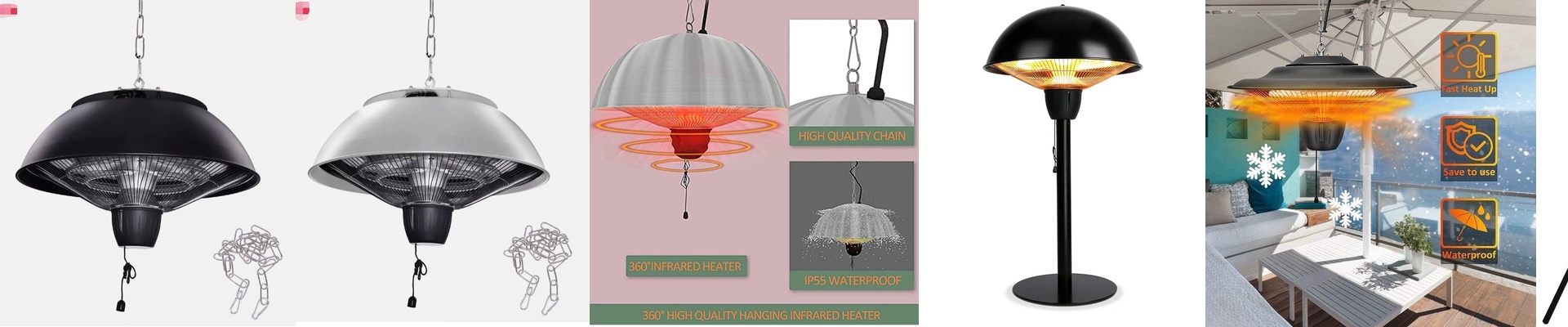
If you’ve ever put a heater in a garden, you know it’s a brutal place for electronics. You’ve got rain and dew on one side, and an infrared element screaming with heat on the other. Most people think the heating coil is what gives out first. But honestly? It’s usually the spot where the wire enters the unit. That’s where the real battle is won or lost.
Why seals actually fail
When we build an IP65-rated heater, that seal has to do two things at once: keep water out and survive constant expanding and contracting. Cheap rubber or basic silicone just can’t keep up. They get brittle. They crack. And once that happens, moisture sneaks into the electrical housing. It creates a path for electricity to go where it shouldn’t, and suddenly you’re dealing with a short circuit or a blown fuse. We handle this with a multi-stage potting process. Instead of a cheap plug, we use high-temp fluorosilicone or specialized epoxy resins. These materials stay flexible even when things hit 200°C. It means the wire stays airtight, no matter how many times you flip the switch on and off.
The “OEM” difference
A lot of generic heaters just use a rubber grommet. It works for a bit. But high heat makes those grommets shrink. We go with a compression-molded seal that actually bonds to the outer casing. This stops the “breathing” effect. You know, that thing where a heater cools down and accidentally sucks in moist air from the outside? Yeah, we stop that from happening.
The honest trade-off
Here is the catch: these tight seals make field repairs a pain. If a wire breaks, you can’t just tug it out. You have to actually cut through the potting compound. It’s a bit of a hassle. But we’d rather make a rare repair difficult than let a unit burn out just because it rained in a garden. If you’re picking these out for a public space, do yourself a favor and check the sealant. If you see standard PVC or low-grade rubber, it’ll probably be dead within a year. Look for high-temp potting if you want to keep the circuitry dry and the guests warm.