Stop Wasting Your Heat: The Truth About IR Reflectors
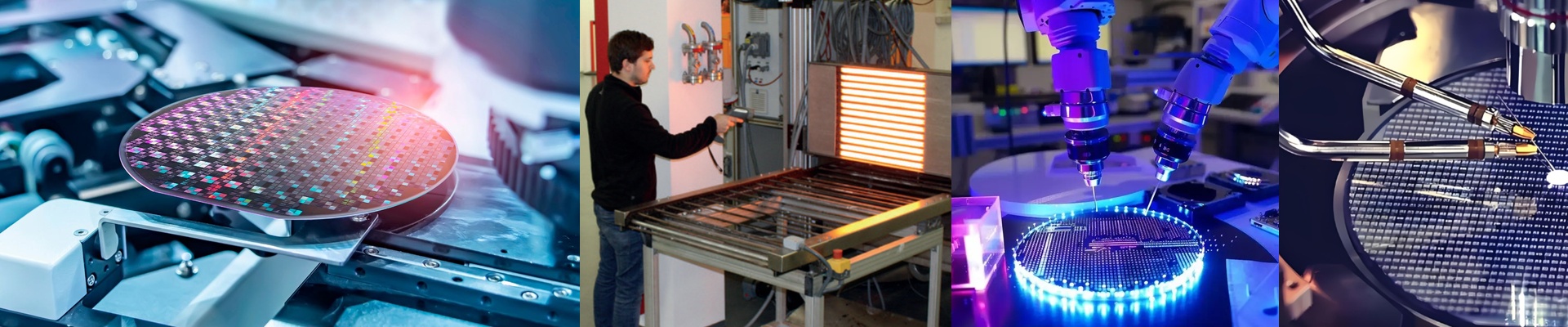
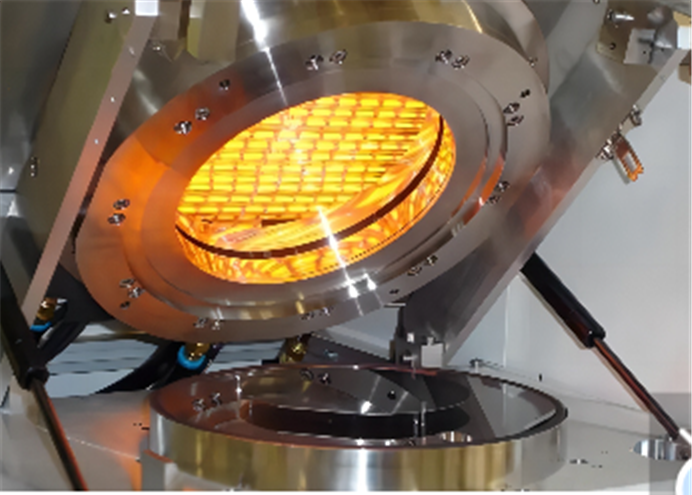
If you’re running a high-tech fab, you know that heat is a slippery thing. It doesn’t like to stay where you put it. When you fire up high-wattage IR lamps, a huge chunk of that energy just wanders off. It radiates backward, hitting the air or your equipment instead of your workpiece. It’s a waste of power and a headache for your cooling systems. That’s where our aluminum reflectors come in. Think of them as a mirror for heat. We use high-purity aluminum to catch that backward energy and flip it forward, shoving the heat exactly where it needs to go.
It’s more than just a piece of metal
Aluminum is the gold standard here because it reflects a massive range of the IR spectrum. But we don’t just slap a piece of metal behind a lamp and call it a day. In a modern setup, we link these reflectors with thermal sensors. This means you aren’t just guessing. You can see exactly how much heat is hitting the target in real-time. If the temperature dips, you bump up the power. If it’s getting too hot, you dial it back. No more “over-baked” parts or ruined batches.
The nitty-gritty of the design
We machine these from high-grade aluminum to get those perfect parabolic or elliptical curves. The finish is where the magic happens. Want a tight, intense beam for spot heating? We go with a mirror finish. Need the heat spread out over a larger area? A matte or anodized finish does the trick. **One quick warning, though.**Aluminum expands when it gets hot. If you jam the reflector into a mounting bracket without leaving some breathing room, the metal will warp. Once that happens, your focal point shifts, and you’ll start seeing annoying cold spots on your product. Give it some space to move.
Making your fab run leaner
When you move toward a digital factory, every watt counts. Using a high-efficiency reflector means you don’t have to crank the power to the max just to reach your target temp. Your electrical panels stay cooler, and you aren’t bleeding excess heat into your cleanroom. It just makes everything cleaner. Your power bills go down, and your data actually starts making sense.