Stop Your Heat From Going Everywhere
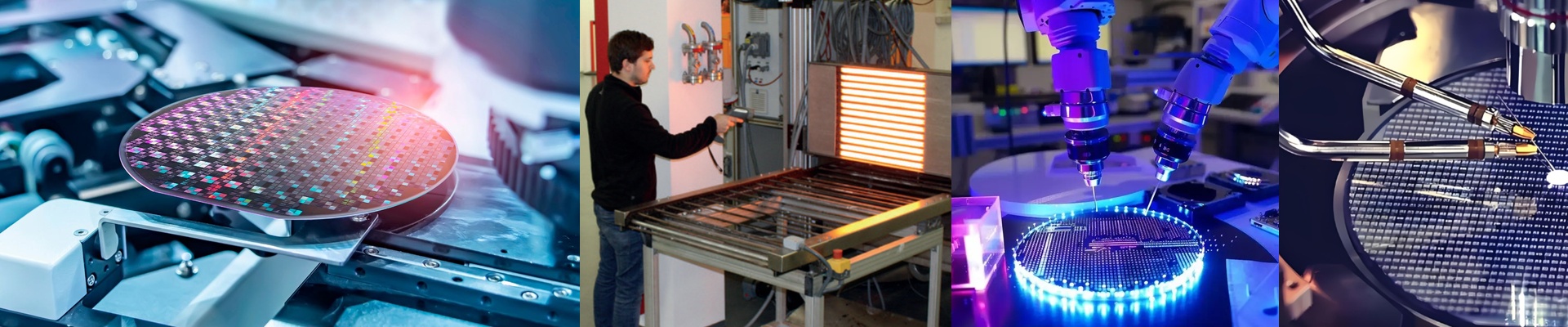
In semiconductor manufacturing, heat that isn’t where it’s supposed to be is a problem. Plain and simple. When you’re running high-wattage IR emitters, that heat doesn’t just stay focused on the wafer. It leaks. It bleeds backward and sideways, turning the inside of your equipment into an oven. If you don’t shield it, you’re looking at operators getting burned or, worse, your chassis components warping under the stress. That’s why we use ceramic end caps.
Getting the heat to actually go forward
Think of a standard IR lamp like a lightbulb that throws energy in every single direction. But in your process, you only care about the target. The ceramic end caps act like a wall. They block the radiation heading the wrong way and shove all that IR energy forward. By capping the emitter, you stop the “waste heat” from soaking into the machine frame. It keeps the internal skin temperature safe. You get the heat density exactly where you need it, and your tool walls stay cool.
Why high-purity alumina?
We use high-purity alumina ceramics because this stuff can take a beating. These parts go through a brutal cycle—jumping from room temperature to several hundred degrees in a matter of seconds. If you use cheap materials, they’ll just crack or flake off. Plus, the ceramic handles the chemical off-gassing you find in cleanrooms without breaking a sweat. The key is getting a tight mechanical fit. If there are gaps, the radiation leaks, and you’re back to square one.
A quick heads-up on the trade-offs
Here’s the thing: adding these caps changes how the lamp behaves. Since you’re blocking the heat from escaping out the back, the internal temperature of the emitter filament is going to climb. You can’t just slap the caps on and walk away. You’ll need to check your cooling fans or water-jackets to make sure they can handle the shift. If the airflow isn’t balanced, you’ll burn through your filaments way too fast. Just make sure your power settings match the thermal mass of the cap, and you’ll avoid those annoying hotspots.