Stop Freezing in Your Own Bathroom
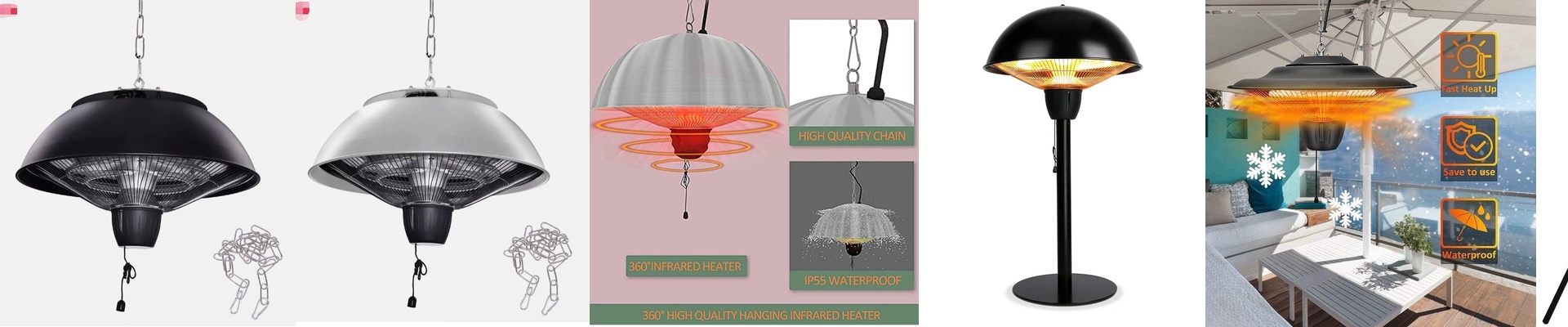
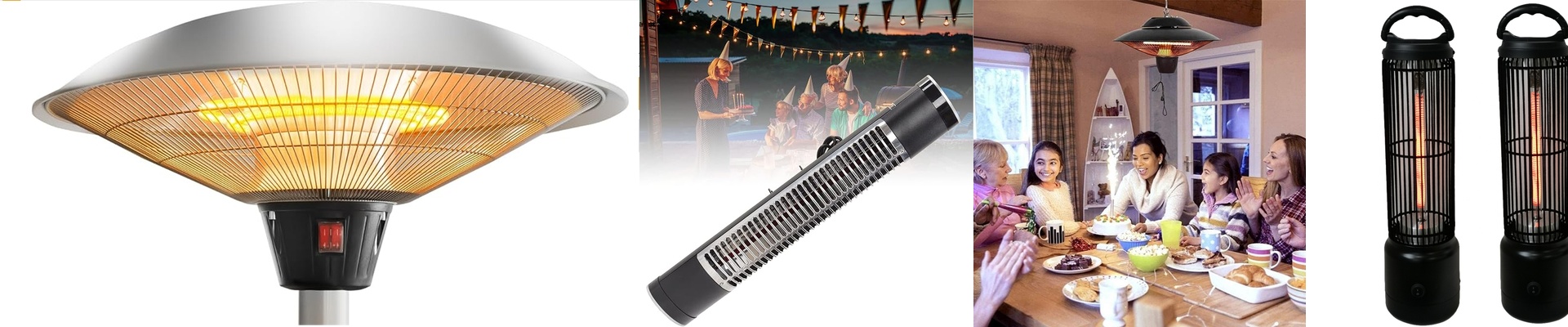
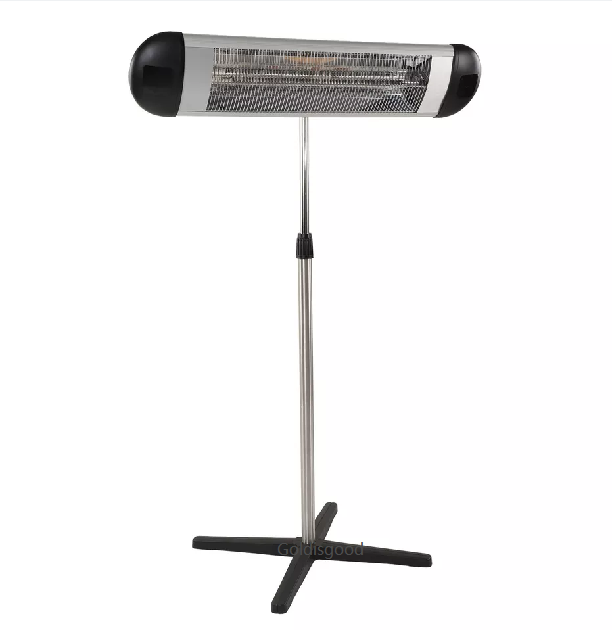
We’ve all been there. You step out of a hot shower, the bathroom is freezing, and you’re shivering while you try to dry off. For years, we’ve relied on those old-school heat lamps—basically just glorified lightbulbs—to keep us warm. But those aren’t really cutting it anymore. Lately, there’s been a move toward high-standard waterproof infrared radiators. And honestly? It’s a huge relief. Why it actually feels different Here is the thing about most heaters: they try to warm up the air. But in a bathroom, that’s a losing battle. The steam moves, the vents suck the heat away, and if you have high ceilings, the warmth just floats right over your head. Infrared is a different beast. Instead of fighting the air, it sends out waves that hit you and the walls directly. It’s like stepping into a patch of sunlight on a cold day. You feel the warmth the second you step out of the shower. No waiting around. No shivering. Dealing with the damp Bathrooms are brutal on electronics. Between the steam and the occasional splash, most heaters eventually just give up. They short out or the internals rust away because moisture sneaks into the wiring. That’s where those “IP ratings” come in. I know, it sounds like technical jargon, but all it really means is that the unit is sealed tight. The wiring and the heating elements are locked away so steam can’t get in to chew on the electrical terminals. It means the thing actually lasts instead of burning out after a year of humidity. A quick heads-up on installation If you’re thinking about swapping out your old fixtures for one of these, it’s usually a pretty simple drop-in job. But—and this is a big but—keep an eye on your power. These infrared units can pull a lot of current. If your house is older, the wiring behind your walls might not be beefy enough to handle the load. It’s worth having someone check your wire gauge first. You want a warm bathroom, not a melted cable inside your wall. It’s a simple switch, but it makes your morning routine feel way less like a survival challenge.