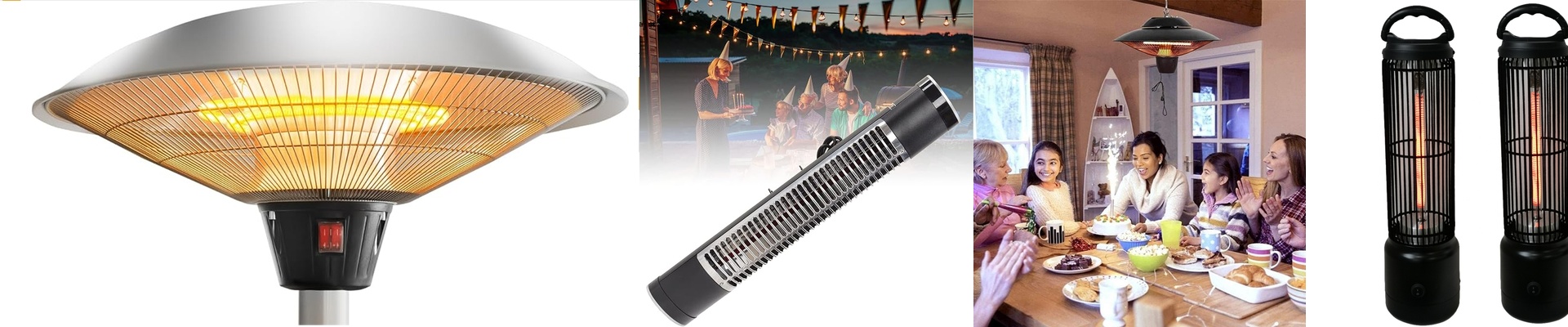
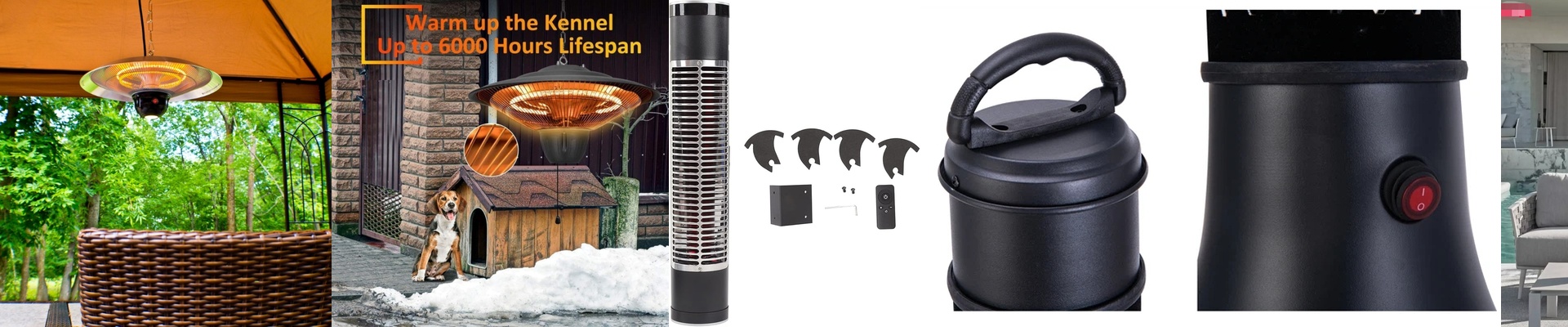
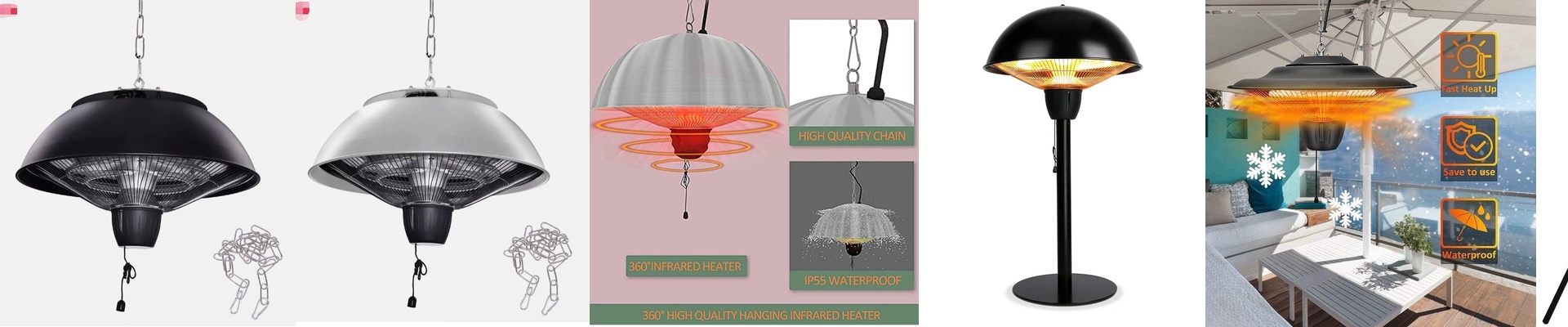
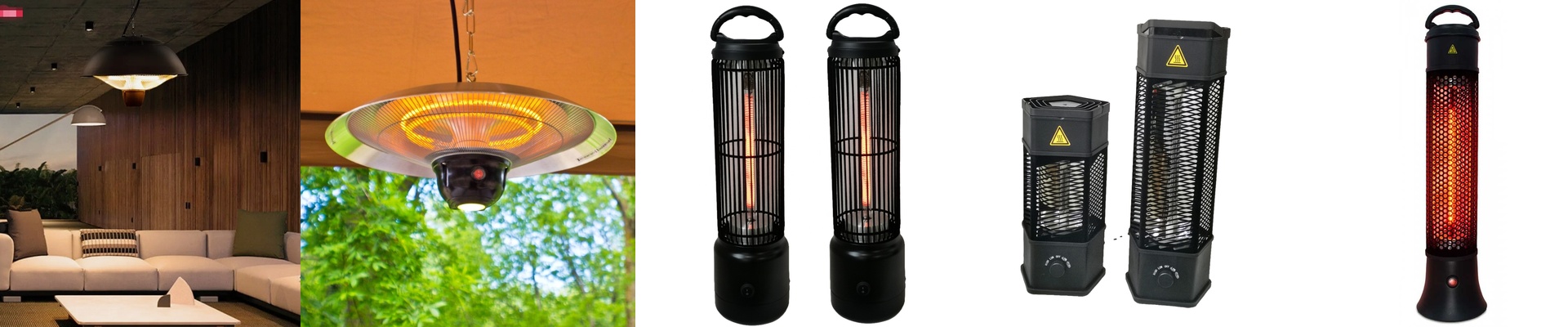
A warehouse stays cold long after the sun checks out. Heat rises, gets swallowed by the rafters, and the floor stays stubbornly chilly. People work in jackets, pace slows, and the energy bill climbs for heat that never lands where it matters. A wall-mounted electric fireplace turns that around by delivering infrared warmth the way the body actually feels it—direct, immediate, and aimed where you need it.
What we built, and why it matters
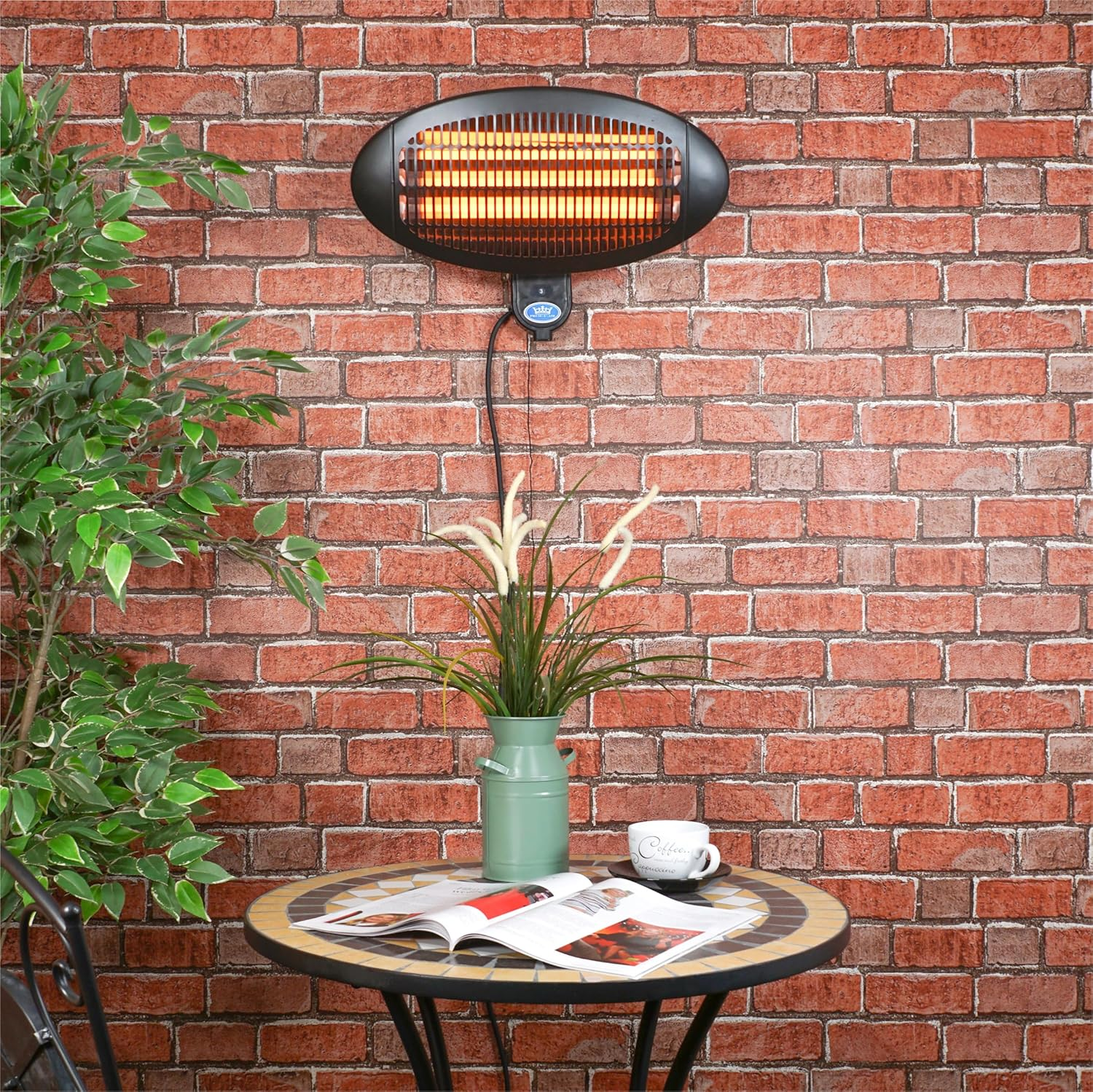
We set this electric heater around a short-wave infrared element that produces radiant heat, not just hot air. The energy travels outward and warms people, equipment, and surfaces on contact. Mount the unit high on a wall and angle it down so the heat lands where you stand and work. Output is sized for large spaces with high ceilings—typically 3 kW to 6 kW—and it runs off standard 240 V circuits, so the wiring is straightforward. A built-in thermostat holds the space at the set point, and a protective grill plus tip-over protection keep things sensible on the safety side.
Why this approach works in a warehouse
In a warehouse, you want heat at person level, not a furnace that only warms the roof. Infrared warmth keeps comfort where it matters—on the floor—so people stay nimble, handling stays careful, and the slowdowns that come from being cold drop off. Because the beam targets the zones that are actually occupied, you stop heating empty aisles. That focus cuts energy use, especially during shoulder seasons and overnight shifts. And the wall-mounted footprint clears floor space—no bulky freestanding heaters in the way of pallet jacks and carts.
The practical details that make the difference
Installation is simple, but placement is the whole game. Mount the heater high enough to clear traffic and equipment, then angle the beam toward workstations and doorways. Don’t point it straight at sensitive stock that can dry out, and keep the lens clean so output stays consistent. For best results, pair the unit with local insulation and draft control. This is spot heating, so plan coverage by zoning rather than trying to heat the entire warehouse with one unit.