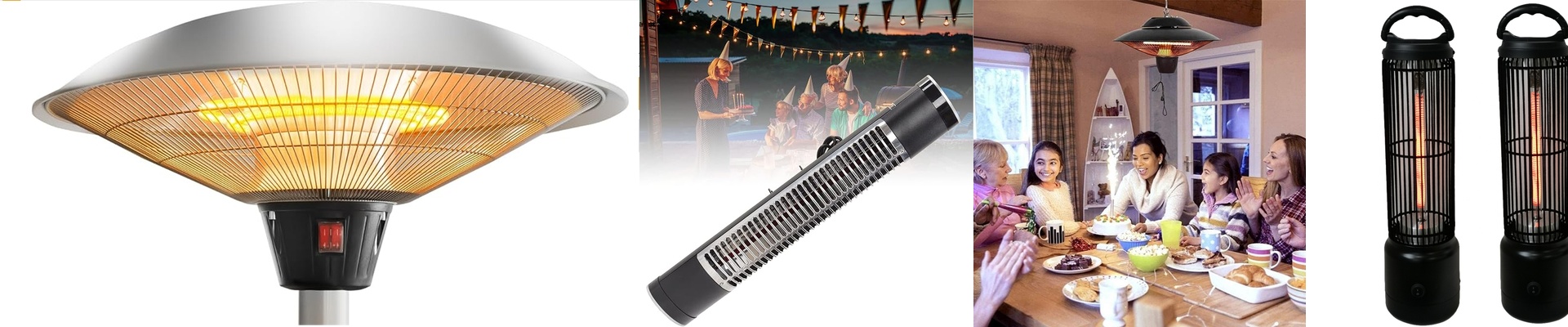
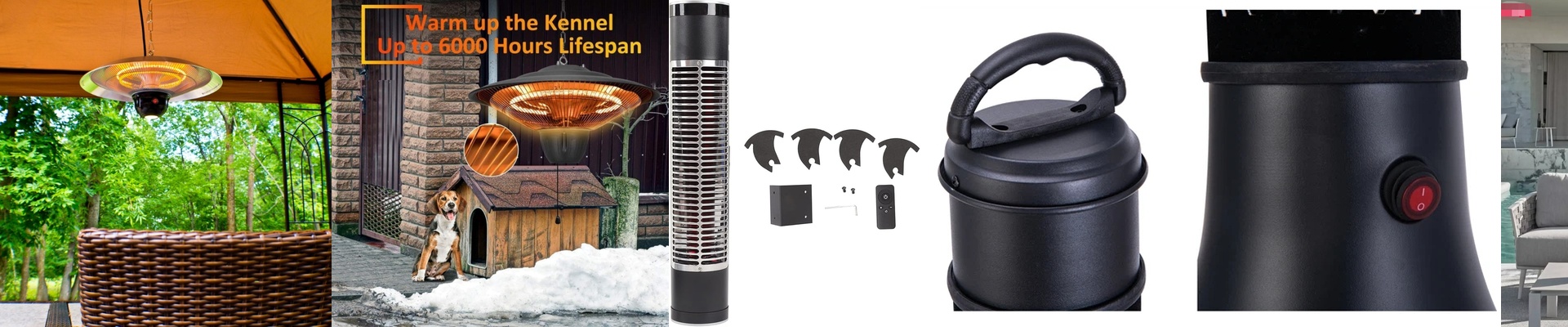

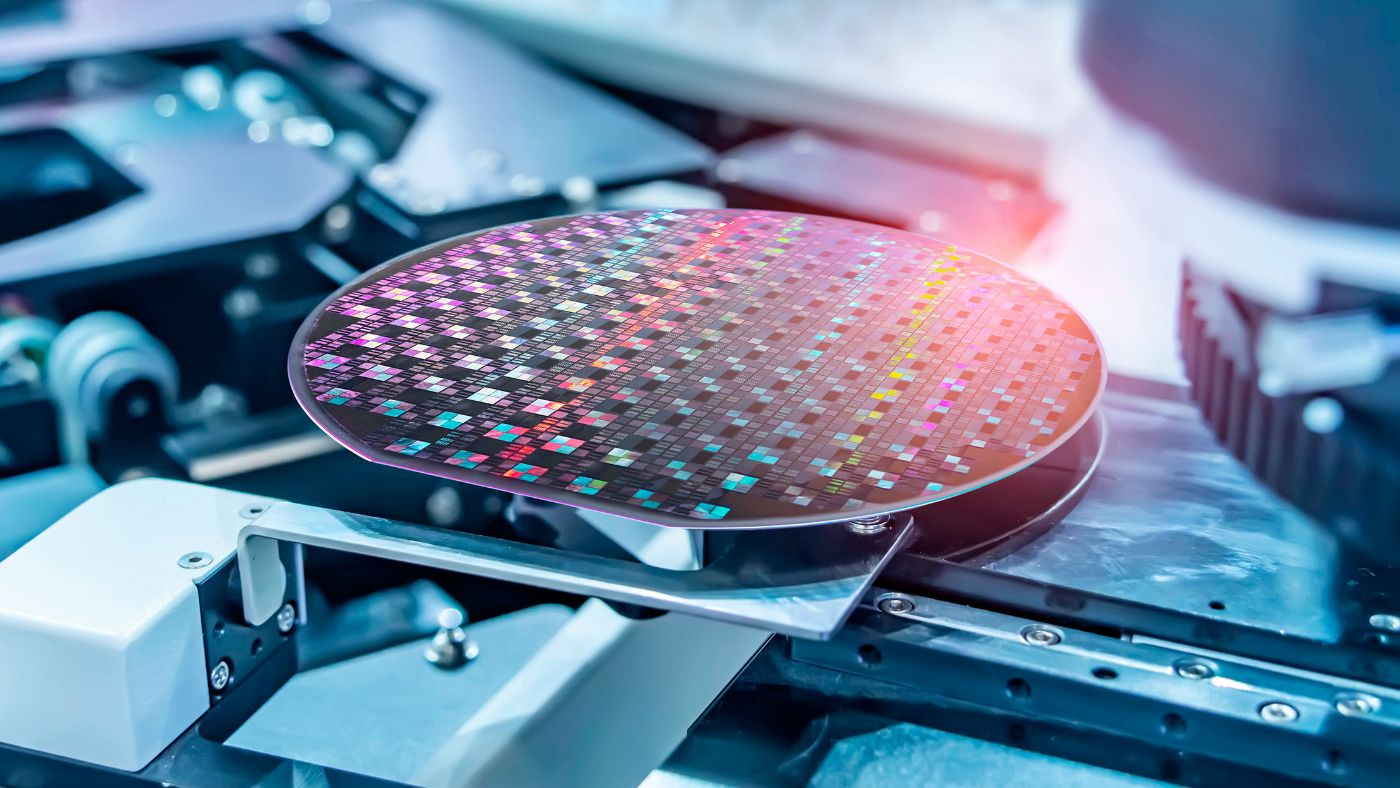
Out of the spin-rinse dryer, the wafer comes off wet, and surface tension is already tugging at those microscopic features. Mess up the thermal step that follows by even a hair, and you’ll see the photoresist profile drift, edge bead stick around, and the next lithography overlay target miss. That’s not a hypothetical—it’s a yield leak you can count in scrap wafers. Wafer drying lamps aren’t just heat sources. They’re the last, decisive move in the thermal budget of wafer prep, and they directly set up what the photoresist will do in soft bake and hard bake. When you spec a drying lamp, you’re really buying repeatability: hitting the same temperature profile, wafer after wafer, shift after shift.
What matters under the hood
For semiconductor work, a drying lamp has to deliver stable, controllable heat without making the cleanroom pay for it. In practice, that comes down to picking an emitter that can snap to temperature, keep uniformity tight, and behave predictably. We build around halogen and quartz short-wave and medium-wave infrared (IR) emitters because they ramp fast and settle into a repeatable steady state. The wavelength band dictates how cleanly the energy gets absorbed by the wafer and photoresist, and how quickly the system stabilizes after a setpoint change. On high-throughput lines, carbon fiber and near-infrared (NIR) options are an option when the thermal profile needs tuning for thinner resist stacks and lower thermal mass. The specs that matter are the ones that show up in process control:
- Temperature uniformity: ±0.1°C across the illuminated zone. That’s the difference between holding CD control and watching it drift across the wafer.
- Photoresist bake precision: Soft bake and hard bake profiles repeat within tight tolerances, which keeps edge bead down and adhesion where it should be.
- Cleanroom compatibility: Built for Class 1–100 environments, with materials and finishes that don’t outgas and don’t add to particle load.
- Zero particle generation: Clean emitters, sealed terminations, and low-outgassing ceramics keep particle counts from climbing during thermal cycles.
- 24/7 reliability: Engineered for continuous operation around planned maintenance windows, not surprise downtime. Power, voltage, and dimensions aren’t arbitrary. A 24 V control path cuts EMI in sensitive metrology areas. A compact lamp envelope drops into retrofit kits and OEM slots without forcing you to rework the machine enclosure. Terminations and connectors are spec’d to survive thermal cycling and repeated tool swaps, so the lamp behaves like a stable component—not a fragile consumable.
Why this works in production
Wafer drying has a simple goal: get moisture off without driving solvents too hard, and do it evenly across the surface. Photoresist processing is just as strict: run a soft bake that leaves the resist in the right condition for exposure, then a hard bake that preps it for etch or implant without flow or skinning. Our drying lamps are built around the constraints you live with every day:
- Faster cycles without sacrificing control: Short-wave IR hits setpoint quickly and holds it. Less waiting for temperature stability translates to more wafers per hour.
- Higher yield through repeatability: When lamp output is stable, the bake profile is stable. That cuts variability in resist thickness, edge bead removal, and overlay error sources tied to thermal history.
- Lower energy draw without compromises: Efficient emitters and reflector geometry deliver the required energy density with less wasted heat—especially relevant when you’re running dozens of tools in parallel.
- Fewer lamp swaps: Robust filament design and thermal management stretch service life. We’ve got units running 5,000+ hours with less than 5% output drop, which means fewer spares on the shelf and less maintenance labor. Fab-grade thermal systems are about predictability. The lamp doesn’t need to be loud or hot to be effective—it needs to be precise.
The practical details you can’t skip
No thermal emitter is one-size-fits-all. The lamp that performs in a high-volume, Class 1 lithography cell still has to integrate cleanly into what you already have.
- Integration and retrofit: Confirm envelope, mounting, and connector compatibility with your OEM tool or in-house retrofit kit. A small footprint helps, but alignment and fixturing have to match the machine’s thermal window.
- Emitter choice and process fit: Short-wave IR is the go-to when you need fast response and tight uniformity. Medium-wave IR can be a better match where thermal mass is higher or the stack is sensitive to rapid temperature changes. NIR and carbon fiber options should be selected with a clear read on the resist stack and the required thermal budget.
- Cleanroom discipline: Even a low-particle design still needs careful handling. Keep the lamp and its surroundings clean, and stick to preventive maintenance so reflectors and terminations stay in shape.
- Thermal loading effects: High-power density lamps can influence nearby components. Make sure surrounding hardware can tolerate the radiant heat, or add shielding where needed. When you’re specifying a wholesale wafer drying lamp for semiconductor manufacturing, you’re not just buying a lamp. You’re buying a thermal specification you can count on, day after day, under real fab conditions. When the temperature holds steady, the resist behaves as designed, and the line runs the way it should. That’s what we design for. That’s what we build to.