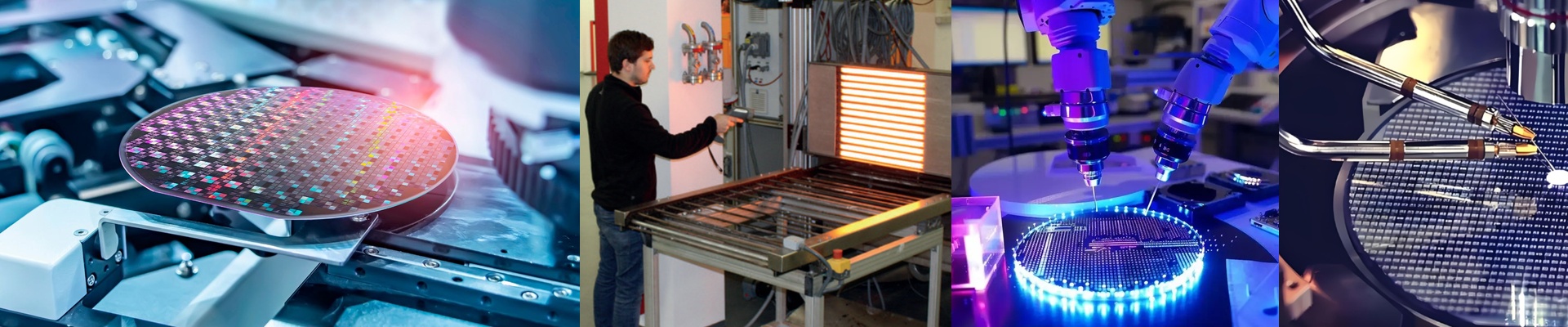
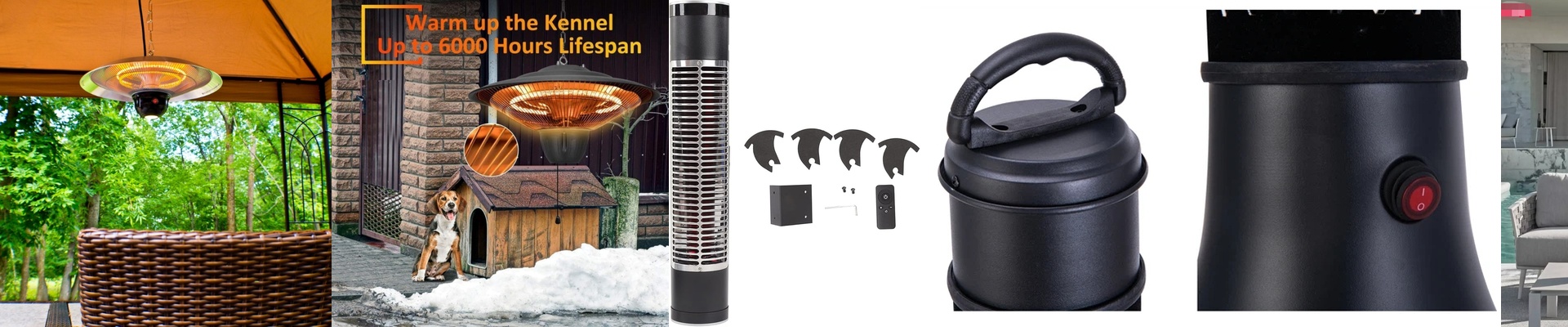
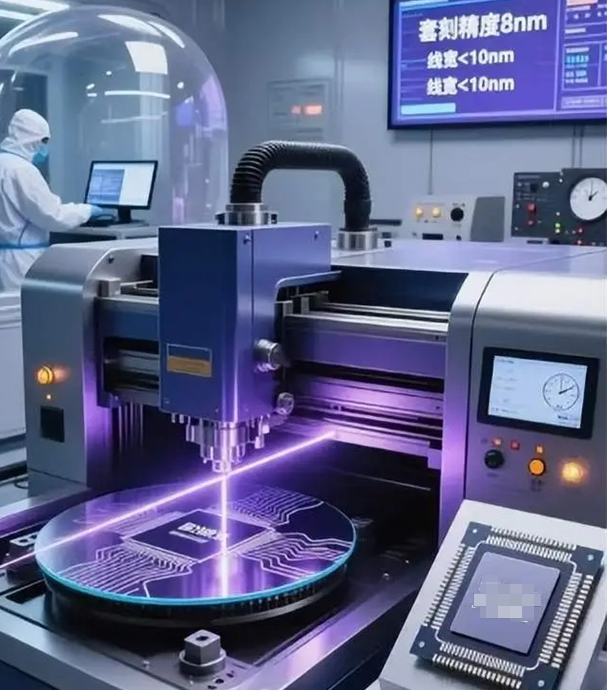
Out on the line, the wafer sits waiting for bake just like your schedule does—both of you counting on things holding steady. One temperature excursion, one hot spot across the resist, and your critical linewidth starts to drift. In organic semiconductor work, the thermal budget is tight, and the margin for error is thinner than the film you’re patterning. The drying lamp can’t just be hot; it has to be precise, clean, and repeatable. We built this organic semiconductor drying lamp for what actually happens in the fab: Class 1–100 cleanroom duty, 24/7 uptime, and photoresist processing windows that demand temperature uniformity measured in tenths of a degree. When the bake profile wanders, you see it in residue, in poor adhesion, in yield that disappears. This lamp is engineered to keep the thermal signature stable, shift after shift.
What actually matters on the technical side
Wafer-level thermal uniformity, ±0.1°C. The lamp delivers controlled infrared energy with uniformity that holds to ±0.1°C across the substrate. That isn’t a talking point—it’s the boundary that keeps linewidth and sidewall angle in spec during soft bake and hard bake. Tight uniformity cuts down reflective notching and reduces standing-wave effects in the photoresist stack. Zero particle generation under Class 1–100 conditions. Housing and lamp body are designed to avoid outgassing and flaking. Filament supports, reflectors, and quartz components are chosen and finished to prevent particulate shedding. In practice, particle counts stay within cleanroom limits, so you’re not burning cycle time chasing contamination born in the bake module. Photoresist bake precision with repeatable profiles. Whether you’re running a soft bake to set the solvent profile or a hard bake to harden the resist for etch or lift-off, the lamp delivers repeatable temperature profiles. The control algorithm holds setpoint stability under load changes, so the same resist gets the same thermal history lot after lot. Repeatability is what turns a process into a predictable unit operation. 24/7 reliability, designed for uptime. This lamp is rated for continuous operation in production tools, with materials and thermal design chosen to manage hot spots and stress. We’ve got units running 5,000+ hours with less than 5% output drop. When the lamp behaves predictably, the tool stays in state, and unplanned downtime drops. Fast thermal response, low thermal mass. Infrared energy is delivered with low thermal inertia, so the lamp tracks setpoint changes quickly. That matters when you’re running mixed recipes on the same tool, switching between films and bake temperatures. The bake step hits setpoint fast, and the cool-down window is shorter—compressing cycle time without giving up profile control. Clean, stable output for consistent film quality. The spectral output is managed to avoid unwanted absorption peaks that can cause uneven curing or unwanted reactions in organic films. The result is a stable, repeatable drying curve that treats every wafer the same, even when ambient conditions drift a bit.
Why this works where you need it
In organic semiconductor processing, the drying lamp sits right at the crossroads of lithography, photoresist, and thin-film integrity. You know the flow: wafers move from coat to bake, bake to develop, then into etch or transfer. If the soft bake underperforms, solvent stays trapped and the develop step leaves scum. If the hard bake is inconsistent, the resist edge rolls, and lift-off turns into a gamble. This lamp addresses the failure modes you see on the floor.
- Thermal non-uniformityshows up as thickness variation across the wafer. With ±0.1°C uniformity, the film dries evenly, and the critical dimension distribution tightens.
- Particle generationbecomes yield loss. The lamp is built to live in Class 1–100 environments, so particle excursions from the bake module aren’t the reason you scrap lots.
- Unplanned downtimekills throughput. The reliability design keeps the tool running, and the lamp’s predictable aging means you schedule maintenance instead of reacting to it.
- **Recipe variability**bogs the line down. Fast thermal response shortens the bake step and cuts the time spent stabilizing the module between products. And the gains show up where it counts.
- **Better yield:**Tighter thermal control reduces linewidth excursions and resist defects, improving first-pass yield.
- **Stable process window:**Repeatable bake profiles widen the margin for film thickness and exposure latitude, so the process is less sensitive to upstream variation.
- **Lower operating cost:**Predictable lamp life and stable output reduce spare parts inventory and rework. Energy use is managed without compromising profile control.
- **Faster changeovers:**Rapid setpoint tracking means less time stabilizing the module when switching recipes, so equipment utilization goes up. This isn’t about chasing one metric in isolation. It’s about making the bake step behave like a controlled process—not a variable you manage with operator skill.
What you need to know up front
Installation and integration aren’t plug-and-play on every platform. The lamp has to be integrated into the bake module with real attention to airflow, thermal mass, and sensor placement. Uniformity performance depends on chamber geometry and how the wafer is supported. Plan the mechanical interface and confirm the thermal path matches the design. Thermal coupling matters. Mount the lamp too far from the wafer, and you lose responsiveness. Too close, and you risk local hot spots. The sweet spot is defined by the tool’s chamber design and the wafer position. Expect a commissioning step to finalize the mounting distance and confirm the uniformity map across the substrate. Lamp output drifts with age—and that’s normal. Even with stable materials, the lamp output will drift over time. Set calibration intervals and use process monitors to track the drift. The good news is the drift is predictable, so you can work it into the maintenance schedule. Cleanroom handling is non-negotiable. The lamp is built for cleanroom use, but it still needs clean handling. Wipe-down procedures and ESD controls apply. Even a small amount of contamination on the lamp or housing can become a particle source under thermal cycling. Power and cooling have to match the duty cycle. The lamp runs hot, and the module has to move that heat reliably. Confirm the tool’s cooling capacity is matched to continuous operation. If cooling is marginal, the lamp will still function, but the thermal control loop will work harder—and uniformity will suffer. If you’re running organic semiconductor lines, the drying step isn’t optional. It’s the hinge that swings yield and throughput. This lamp keeps that hinge moving predictably, shift after shift—with cleanroom discipline and thermal control you can measure.
บนสายการผลิต เวเฟอร์รอการอบเหมือนกับตารางเวลาของคุณ—ทั้งคู่ต้องพึ่งพาการรักษาความเสถียรไว้ การเบี่ยงเบนอุณหภูมิครั้งเดียว จุดร้อนเพียงจุดเดียวบนเรซิสต์ก็ทำให้ความกว้างของเส้นที่สำคัญเริ่มเปลี่ยน ในงานเซมิคอนดักเตอร์อินทรีย์ งบประมาณความร้อนมีจำกัด และความคลาดเคลื่อนยิ่งบางกว่าฟิล์มที่คุณกำลังลวดลาย หลอดอบแห้งไม่ใช่แค่ต้องร้อน แต่ต้องแม่นยำ สะอาด และทำซ้ำได้
เราออกแบบหลอดอบแห้งสำหรับเซมิคอนดักเตอร์อินทรีย์โดยคำนึงถึงสภาพจริงในโรงงาน: งานในคลีนรูมระดับ Class 1–100 การทำงานต่อเนื่อง 24/7 และช่วงเวลาการประมวลผลโฟโตรีซิสต์ที่ต้องการความสม่ำเสมอของอุณหภูมิที่วัดได้ในระดับเศษส่วนองศา เมื่อโปรไฟล์การอบเปลี่ยนแปลง คุณจะสังเกตเห็นได้จากคราบตกค้าง การยึดเกาะที่ไม่ดี และผลผลิตที่ลดลง หลอดนี้ถูกออกแบบมาเพื่อรักษาลายเซ็นความร้อนให้คงที่ตลอดกะทำงาน
สิ่งที่สำคัญทางเทคนิค
ความสม่ำเสมอของอุณหภูมิระดับเวเฟอร์ ±0.1°C
หลอดนี้ให้พลังงานอินฟราเรดที่ควบคุมได้ โดยรักษาความสม่ำเสมอที่ ±0.1°C ทั่วทั้งพื้นผิวเวเฟอร์ นี่ไม่ใช่แค่จุดพูดคุยแต่เป็นขอบเขตที่รักษาความกว้างของเส้นและมุมผนังข้างให้อยู่ในสเปคระหว่างการอบแบบอ่อนและอบแบบแข็ง ความสม่ำเสมอที่เข้มงวดจะลดการเกิดรอยบากสะท้อนและลดผลกระทบจากคลื่นยืนในชั้นโฟโตรีซิสต์
ไม่สร้างอนุภาคภายใต้สภาพ Class 1–100
โครงหลอดและตัวหลอดถูกออกแบบเพื่อลดการปล่อยแก๊สและการลอกหลุด ขาตั้งไส้หลอด ตัวสะท้อน และชิ้นส่วนควอตซ์ถูกเลือกและขัดแต่งเพื่อป้องกันการหลุดร่วงของฝุ่น ในทางปฏิบัติ จำนวนอนุภาคจะอยู่ในขอบเขตของคลีนรูม ทำให้คุณไม่ต้องเสียเวลารอบการผลิตไปกับการตามหามลพิษที่เกิดในโมดูลอบ
ความแม่นยำในการอบโฟโตรีซิสต์พร้อมโปรไฟล์ที่ทำซ้ำได้
ไม่ว่าคุณจะทำการอบแบบอ่อนเพื่อกำหนดโปรไฟล์ตัวทำละลาย หรืออบแบบแข็งเพื่อแข็งตัวเรซิสต์สำหรับกระบวนการกัดกร่อนหรือยกเลิก หลักการควบคุมของหลอดนี้สามารถรักษาความเสถียรของจุดตั้งไว้ได้แม้ภายใต้การเปลี่ยนแปลงของโหลด ทำให้เรซิสต์ชุดเดียวกันได้รับประวัติความร้อนเหมือนเดิมซ้ำแล้วซ้ำเล่า ความสม่ำเสมอนี้คือสิ่งที่เปลี่ยนกระบวนการให้เป็นหน่วยปฏิบัติงานที่คาดการณ์ได้
ความน่าเชื่อถือ 24/7 ออกแบบเพื่อการทำงานต่อเนื่อง
หลอดนี้ผ่านการรับรองสำหรับการทำงานอย่างต่อเนื่องในเครื่องมือผลิต วัสดุและการออกแบบทางความร้อนถูกเลือกมาเพื่อจัดการกับจุดร้อนและความเครียด เรามีหน่วยที่ทำงานเกิน 5,000 ชั่วโมงโดยมีการลดประสิทธิภาพไม่ถึง 5% เมื่อหลอดทำงานได้อย่างคาดเดาได้ เครื่องมือจะคงสถานะและเวลาหยุดทำงานโดยไม่คาดคิดจะลดลง
ตอบสนองทางความร้อนรวดเร็ว มวลความร้อนต่ำ
พลังงานอินฟราเรดถูกส่งด้วยความเฉื่อยทางความร้อนต่ำ ทำให้หลอดสามารถติดตามการเปลี่ยนแปลงจุดตั้งได้อย่างรวดเร็ว สิ่งนี้สำคัญเมื่อคุณทำงานกับสูตรผสมบนเครื่องเดียวกัน สลับระหว่างฟิล์มและอุณหภูมิอบ ขั้นตอนอบจะถึงจุดตั้งอย่างรวดเร็วและช่วงเวลาการเย็นตัวสั้นลง ทำให้เวลารอบการผลิตถูกบีบอัดโดยไม่สูญเสียการควบคุมโปรไฟล์
ผลลัพธ์สะอาดและเสถียรเพื่อคุณภาพฟิล์มที่สม่ำเสมอ
การปล่อยสเปกตรัมถูกจัดการเพื่อหลีกเลี่ยงจุดดูดกลืนที่ไม่ต้องการซึ่งอาจก่อให้เกิดการบ่มไม่สม่ำเสมอหรือเกิดปฏิกิริยาไม่พึงประสงค์ในฟิล์มอินทรีย์ ผลลัพธ์คือเส้นโค้งการอบแห้งที่เสถียรและทำซ้ำได้ ซึ่งจัดการเวเฟอร์แต่ละแผ่นเหมือนกัน แม้ภายใต้สภาพแวดล้อมที่เปลี่ยนแปลงเล็กน้อย
เหตุผลที่ทำงานได้ในที่ที่คุณต้องการ
ในการประมวลผลเซมิคอนดักเตอร์อินทรีย์ หลอดอบแห้งตั้งอยู่ตรงจุดตัดของการลิโทกราฟี โฟโตรีซิสต์ และความสมบูรณ์ของฟิล์มบาง คุณรู้กระบวนการ: เวเฟอร์เคลื่อนจากขั้นตอนการเคลือบไปยังอบ จากอบไปพัฒนาฟิล์ม แล้วเข้าสู่ขั้นตอนกัดกร่อนหรือถ่ายโอน หากการอบแบบอ่อนทำงานไม่เต็มที่ ตัวทำละลายจะถูกกักอยู่และขั้นตอนพัฒนาจะทิ้งคราบ หากการอบแบบแข็งไม่เสถียร ขอบเรซิสต์จะม้วน และการยกเลิกจะกลายเป็นความเสี่ยง
หลอดนี้จัดการกับโหมดความล้มเหลวที่คุณพบในโรงงาน
- ความไม่สม่ำเสมอทางความร้อนแสดงออกในรูปแบบความหนาที่แตกต่างกันทั่วเวเฟอร์ ด้วยความสม่ำเสมอ ±0.1°C ฟิล์มจะแห้งอย่างสม่ำเสมอ และการกระจายมิติที่สำคัญจะเข้มงวดขึ้น
- การสร้างอนุภาคแปลเป็นการสูญเสียผลผลิต หลอดนี้ถูกสร้างมาให้ใช้งานในสภาพแวดล้อม Class 1–100 จึงไม่เกิดอนุภาคจากโมดูลอบจนเป็นสาเหตุให้ต้องทิ้งล็อต
- เวลาหยุดทำงานโดยไม่คาดคิดทำให้กำลังการผลิตลดลง การออกแบบความน่าเชื่อถือช่วยให้เครื่องมือทำงานต่อเนื่อง และการเสื่อมสภาพของหลอดที่คาดการณ์ได้ทำให้คุณสามารถวางแผนการบำรุงรักษาแทนที่จะต้องแก้ไขเมื่อเกิดปัญหา
- ความแปรผันของสูตรทำให้สายการผลิตชะงัก การตอบสนองความร้อนที่รวดเร็วช่วยลดเวลาขั้นตอนอบและเวลาที่ใช้ในการทำให้โมดูลเสถียรก่อนเปลี่ยนผลิตภัณฑ์
และผลลัพธ์ปรากฏในจุดสำคัญ
- **ผลผลิตดีขึ้น:**การควบคุมความร้อนที่เข้มงวดลดการเปลี่ยนแปลงความกว้างเส้นและข้อบกพร่องของเรซิสต์ ส่งผลให้ผลผลิตผ่านครั้งแรกดีขึ้น
- **ช่วงกระบวนการเสถียร:**โปรไฟล์การอบที่ทำซ้ำได้ช่วยขยายช่วงความหนาฟิล์มและระยะการเปิดรับแสง ทำให้กระบวนการไม่ไวต่อความแปรผันจากต้นทาง
- **ต้นทุนการดำเนินงานต่ำลง:**อายุการใช้งานหลอดที่คาดการณ์ได้และผลลัพธ์ที่เสถียรช่วยลดสต็อกอะไหล่และงานแก้ไข การใช้พลังงานถูกจัดการโดยไม่ลดทอนการควบคุมโปรไฟล์
- **เปลี่ยนสูตรได้เร็วขึ้น:**การติดตามจุดตั้งอย่างรวดเร็วช่วยลดเวลาที่ต้องทำให้โมดูลเสถียรก่อนเปลี่ยนสูตร ทำให้อัตราการใช้เครื่องจักรสูงขึ้น
นี่ไม่ใช่แค่การไล่ตามตัวชี้วัดเพียงอย่างเดียว แต่เป็นการทำให้ขั้นตอนอบทำงานเหมือนกระบวนการที่ควบคุมได้ ไม่ใช่ตัวแปรที่ต้องจัดการด้วยทักษะผู้ปฏิบัติงาน
สิ่งที่คุณต้องรู้ล่วงหน้า
การติดตั้งและการบูรณาการไม่ใช่แบบเสียบใช้งานได้เลยในทุกแพลตฟอร์ม
หลอดต้องถูกบูรณาการเข้ากับโมดูลอบโดยให้ความสนใจอย่างจริงจังกับการไหลของอากาศ มวลความร้อน และตำแหน่งเซนเซอร์ ประสิทธิภาพความสม่ำเสมอขึ้นอยู่กับรูปทรงของห้องและวิธีการรองรับเวเฟอร์ วางแผนส่วนเชื่อมต่อเชิงกลและยืนยันเส้นทางความร้อนตรงกับการออกแบบ
การเชื่อมต่อทางความร้อนสำคัญ
ติดตั้งหลอดไกลจากเวเฟอร์เกินไปจะทำให้การตอบสนองช้า ใกล้เกินไปก็เสี่ยงเกิดจุดร้อนเฉพาะที่ จุดที่เหมาะสมถูกกำหนดโดยการออกแบบห้องของเครื่องมือและตำแหน่งเวเฟอร์ คาดว่าจะมีขั้นตอนทดสอบการติดตั้งเพื่อกำหนดระยะห่างและยืนยันแผนที่ความสม่ำเสมอทั่วพื้นผิว
การเปลี่ยนแปลงผลลัพธ์ของหลอดตามอายุเป็นเรื่องปกติ
แม้วัสดุจะเสถียร ผลลัพธ์ของหลอดจะเปลี่ยนแปลงไปตามเวลา กำหนดช่วงเวลาการสอบเทียบและใช้เครื่องมือติดตามกระบวนการเพื่อตรวจสอบการเปลี่ยนแปลง ข่าวดีคือการเปลี่ยนแปลงนี้สามารถคาดการณ์ได้ จึงสามารถรวมไว้ในตารางการบำรุงรักษา
การจัดการในคลีนรูมเป็นข้อบังคับ
หลอดถูกออกแบบสำหรับใช้งานในคลีนรูม แต่ยังต้องการการจัดการที่สะอาดตามมาตรฐาน ขั้นตอนการเช็ดทำความสะอาดและการควบคุม ESD ยังต้องใช้ แม้มีการปนเปื้อนเล็กน้อยบนหลอดหรือตัวเรือนก็สามารถกลายเป็นแหล่งอนุภาคในระหว่างรอบความร้อน
กำลังไฟและการระบายความร้อนต้องสอดคล้องกับรอบการใช้งาน
หลอดทำงานที่อุณหภูมิสูง และโมดูลต้องสามารถระบายความร้อนนั้นได้อย่างน่าเชื่อถือ ยืนยันความสามารถการระบายความร้อนของเครื่องมือให้เหมาะสมกับการทำงานอย่างต่อเนื่อง หากการระบายความร้อนต่ำกว่ามาตรฐาน หลอดยังคงทำงานได้ แต่วงจรควบคุมความร้อนจะทำงานหนักขึ้น และความสม่ำเสมอจะลดลง
หากคุณดำเนินสายการผลิตเซมิคอนดักเตอร์อินท